
What Is the Role of an Assisted Living Caregiver in Promoting Independence?
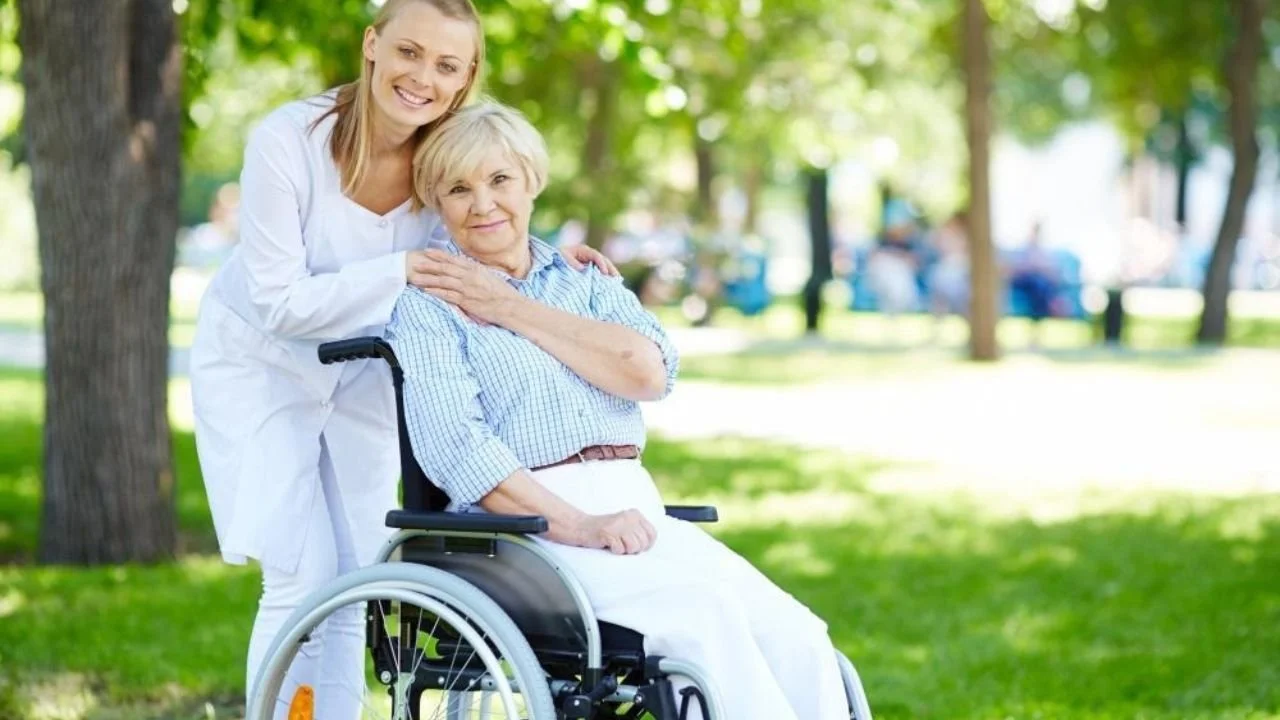
There's a misconception that follows assisted living around like a shadow. People hear the phrase and picture something institutional. Sterile hallways. Schedules that leave no room for personal choice. A place where a senior's sense of self gets quietly handed over at the front desk.
That's not what good assisted living looks like. Not even close.
The goal isn't to take over a resident's life. It's to protect the parts of it that matter most.
So what does an assisted living caregiver actually do to promote independence? Let's get into it.
First, Why Does Independence Even Matter in Senior Care?
Before talking about the "how," the "why" deserves some attention. Because this isn't just a philosophical preference. It's backed by real outcomes.
When seniors can make choices and perform tasks on their own, it boosts their self-esteem and confidence. Feeling capable and in control of one's own life reduces the risk of depression and anxiety. And on the physical side, staying active through daily tasks helps maintain mobility, strength, and coordination over time.
Senior independence also encourages residents to stay socially engaged, whether participating in community events or simply visiting with friends; these interactions are critical for emotional health and preventing isolation.
In other words, independence isn't just a nice thing to preserve. It's tied directly to how long and how well someone lives.
The Caregiver's Role: It's About Support, Not Takeover
Here's the thing that surprises families the most. A skilled assisted living caregiver isn't trying to do everything for a resident. They're trying to do the right things at the right moments so the resident can keep doing everything else themselves.
Caregivers encourage seniors to try new activities and praise their efforts to build confidence, respect personal choices, and offer help when needed without taking over completely. That last part is harder than it sounds, especially when a caregiver could technically do a task faster on their own. But stepping in too quickly is one of the most common mistakes in senior care, and it chips away at autonomy faster than almost anything else.
Asking if a resident would like assistance before immediately helping is a practical way for caregivers to gain their respect and foster open communication, especially for intimate activities like bathing and dressing.
That small habit, asking instead of assuming, signals something important to a resident: you still have control here.
Core Ways an Assisted Living Caregiver Promotes Independence
1. Building a Personalized Care Plan
Conducting a thorough personal assessment helps caregivers identify what tasks a senior can perform independently and where they might need assistance. These personalized care plans should be flexible and adaptable, since needs and abilities change over time.
This isn't a one-time conversation that gets filed away. At a well-run community, the care plan is a living document. A resident recovering from a hip replacement has different support needs in month one versus month three. A good caregiver tracks that and adjusts.
2. Helping with Daily Activities Without Overstepping
Caregivers in assisted living are responsible for helping with various aspects of daily life, from assisting with personal care to providing companionship and emotional support, while making sure residents feel supported rather than dependent.
The specific areas where caregivers typically assist, while preserving as much self-management as possible:
Activity: Personal hygiene (bathing, grooming)
Caregiver's Approach: Assist only as needed, encourage self-care first
Activity: Medication management
Caregiver's Approach: Organize and remind, not administer unnecessarily
Activity: Meal selection
Caregiver's Approach: Offer choices, involve resident in preferences
Activity: Mobility and movement
Caregiver's Approach: Guide and accompany, not carry or replace
Activity: Getting dressed
Caregiver's Approach: Lay out options, step back when resident can manage
The pattern should be obvious: caregiver as support, resident as decision-maker.
Understanding which tools and aids support this process matters just as much as the caregiver's approach itself; mobility aids for seniors play a quiet but significant role in helping residents stay self-sufficient through their daily routines.
3. Creating and Maintaining a Safe Environment
Caregivers are actively responsible for maintaining safe environments for seniors, helping them move freely without assistance by removing potential hazards, reducing fall risks, and making sure safe mobility options exist throughout their daily spaces.
This is underrated. A senior who doesn't feel safe moving around their own space will stop moving. And that's where physical decline accelerates. Making the environment work for the resident, not against them, is one of the quieter but more significant ways caregivers preserve autonomy.
Regular risk assessments help identify potential hazards in the home and daily routine, and having emergency preparedness plans in place, with easy access to contacts and support, is essential.
4. Keeping Residents Socially Engaged
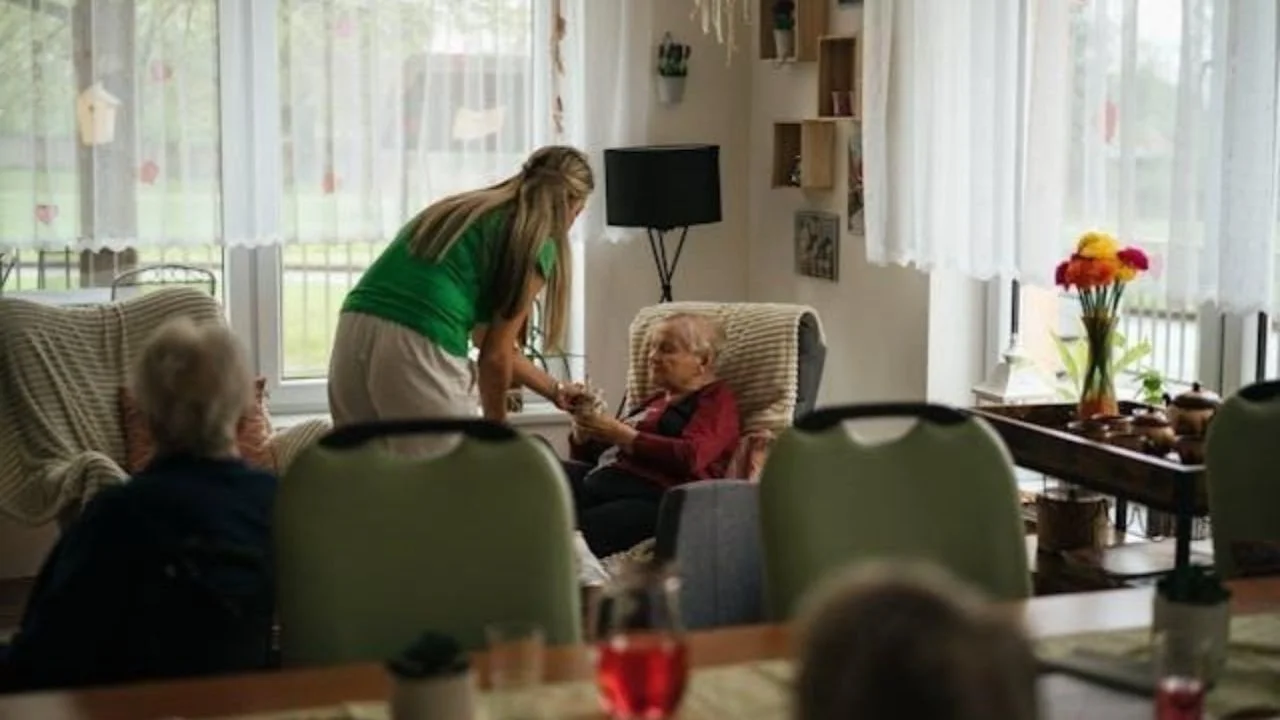
Caregivers actively engage residents in various activities that stimulate their minds and bodies, from organizing social events to encouraging participation in hobbies and physical exercise, which is crucial for maintaining cognitive function and preventing depression.
Caregivers assist seniors in coordinating an activity calendar that fits around other appointments, encouraging participation in activities outside their immediate space and promoting mobility while preventing a sedentary routine.
And here's something worth noting: caregivers who take the time to actually know a resident do this better. Someone who knows a resident who loves gardening or music is going to connect them with the right group activity. Someone going through the motions will hand them a generic activities list and walk away.
5. Involving Residents in Their Own Decision-Making
This one is huge, and it's easy to overlook.
Involving older adults in the decision-making process for things that directly affect them is important for retaining their dignity. Even small decisions like meal and activity planning are good ways for residents to feel they still have control over their independence.
What does this look like day to day? It looks like a caregiver is presenting two options for lunch rather than placing a plate. It looks like asking "Would you prefer to go to the common room this morning or later this afternoon?" It looks like including the resident in conversations about their own care, not just talking about them in third person while they're sitting right there.
Allowing seniors to participate in even small everyday decisions can be the first step in making them feel they still have control over their independence and prevent the feeling of being overly reliant on another person.
It's also worth understanding why so many seniors push back on this transition in the first place; elderly parents who refuse assisted living often do so out of a fear that independence will disappear, which is exactly the fear a good caregiver is trained to address from day one.
6. Providing Emotional Support and Real Companionship
Many individuals in assisted living communities face loneliness and isolation, and the compassion and empathy of caregivers can significantly improve their mental health through regular interaction, conversation, and shared activities that foster a sense of belonging.
Caregivers have the unique opportunity to not only provide assistance but to be a friendly companion, someone who can recommend creative ways to get seniors involved, engage in meaningful conversation, and form the kind of close relationship that prevents loneliness and sustains independence.
This matters more than most families anticipate. A resident who feels genuinely connected to their caregiver is more likely to communicate their real needs, more likely to stay engaged, and more likely to feel at home rather than managed.
What Families Should Look for in a Caregiver
Not all caregivers approach independence the same way. When touring an assisted living community or evaluating care quality, there are specific things worth watching for.
Signs a caregiver is actively promoting independence:
They address the resident directly, not just the family member present
They ask before assisting, even for small tasks
They know the resident's hobbies, preferences, and history
They celebrate small wins, finishing a puzzle, walking to the dining room independently
They adjust their support level based on how the resident is feeling that day
Red flags to watch for:
Doing tasks for residents that residents could do themselves with a little time
Speaking about residents as if they aren't in the room
Rigid schedules that leave no room for resident preference
One-size-fits-all care that doesn't adapt to individual needs
The Bigger Picture: Independence Is the Goal, Not the Exception
The incoming generation of seniors is not simply seeking housing. They are selecting a lifestyle, one that emphasizes independence, wellness, connectivity, and meaningful engagement. That shift is reshaping what quality assisted living looks like across the board.
The Older Americans Act reauthorization in 2024, with full compliance required by October 2025, reinforces the principle of promoting independence and dignity for older Americans as a core standard of care.
Communities that take this seriously don't see independence and assistance as opposites. They see them as partners. The assistance exists to protect the independence, not replace it.
At Keystone Bluffs, that philosophy is built into the way residents are welcomed, housed, and cared for every day. The 80 single-floor apartments, the activities calendar, the staff who take time to know each resident personally. These aren't amenities. They're expressions of a belief that every resident, regardless of what kind of support they need, deserves to feel capable, connected, and in control of their own life.
FAQs
1. What does an assisted living caregiver do daily?
They assist with personal care, medication, meals, mobility, and provide emotional support while encouraging independence.
2. How do caregivers promote independence in seniors?
By guiding rather than taking over tasks, encouraging decision making, and supporting daily routines.
3. Are assisted living caregivers medically trained?
Some have basic medical training, but they are not typically responsible for advanced medical care like nurses.
4. Why is emotional support important in assisted living?
Emotional well being directly impacts confidence and independence, making it a key part of caregiving.
Final Thought
Choosing assisted living for a parent or loved one is one of the more emotionally complicated decisions a family will make. And understandably, one of the biggest fears is that the person they love will lose themselves in the process.
The right assisted living caregiver makes sure that doesn't happen. Not by doing less, but by doing the right things in the right way. With patience. With respect. And with a genuine commitment to keeping the resident at the center of their own story.
That's what good caregiving looks like. And it's worth asking about before signing anything.
For families still in that early stage of weighing options, knowing the signs that it's time to move to assisted living can make that decision feel less daunting and more grounded.