
10 Signs That It's Time to Move to Assisted Living Gracefully
Nobody plans for this moment. The realization creeps up slowly; through missed pills scattered on the counter, through that third fall in two months, through the phone call from a neighbor saying they found your mom wandering outside at midnight. These aren't things families want to face, but they demand attention.
Moving to assisted living ranks among the toughest decisions adult children make. There's guilt involved, obviously. Second-guessing too. Questions like "Could we manage this at home just a little longer?" keep people awake at night. But sometimes home stops being safe, and pretending otherwise puts everyone at risk.
What follows are the actual warning signs, not the polite versions from pamphlets, but the real situations families deal with when this transition becomes necessary.
#1 Pills Everywhere and not Where They Should Be

Check the medicine cabinet. Seriously, take a look right now if possible. Chances are, there's a chaotic mess; bottles from 2021 mixed with current prescriptions, weekly organizers filled wrong, maybe some loose tablets just rolling around because the bottle was impossible to open.
Managing medications sounds simple until there are twelve different pills involved. Some go down before breakfast. Others need food first. That blood thinner can't be taken with certain vitamins. The timing matters desperately, but remembering all of it? That's where things fall apart.
Skipping doses creates problems that don't announce themselves loudly. Blood pressure creeps up silently. Blood sugar swings wildly without the right medication schedule. Heart medications get forgotten, and the consequences might not show up for weeks, until they do, suddenly and seriously.
One woman described finding her father's pills in three different rooms. He'd started keeping them in multiple spots so he wouldn't forget. Except now he couldn't remember which pills were where or whether he'd already taken his morning dose. The system designed to help had made things infinitely worse.
Assisted living brings in professional nurses who handle this daily. They prepare medications, watch people take them, and monitor for problems. No guessing, no confusion, no dangerous mix-ups.
At Keystone Bluffs, our trained staff manage medication preparation, administration, and monitoring as a core part of assisted living. Learn how we keep residents safe with professional oversight at our assisted living services.
#2 Hygiene Becomes an Afterthought
There's a particular moment many families recognize. A parent who always took pride in appearance suddenly doesn't. Same shirt for five days running. Hair uncombed and unwashed. Skipping showers becomes the norm rather than the exception.
This isn't about laziness. Physical barriers often prevent basic hygiene. Arthritis makes shower knobs painful to turn. Stepping over the bathtub edge feels dangerous after a fall. Depression removes all motivation for self-care entirely. Why bother when there's nowhere to go?
The consequences extend beyond social embarrassment:
Skin infections develop from inadequate washing.
Urinary tract infections become frequent.
Dental neglect leads to painful decay.
Social withdrawal deepens because people avoid someone who smells unpleasant.
Assisted living staff help with bathing and dressing without making it weird or shameful. They're trained specifically for this. Residents stay clean, healthy, and maintain their dignity throughout the process.
#3 The House Starts Literally Falling Apart
The lawn is overgrown. Lightbulbs burned out for months. That ceiling leak nobody's addressed. The broken refrigerator that's been broken for two weeks, while someone eats nothing but crackers.
Keeping up a house requires skills that fade with age. Identifying problems, finding contractors, scheduling repairs, being present for service calls, and paying bills correctly; miss any step, and things deteriorate fast. One family found their mother living without heat through an entire winter because she couldn't figure out who to call about the furnace.
Moving to assisted living means somebody else handles every bit of maintenance. Toilet breaks? They fix it. Lightbulb out? Already changed. Heat, electricity, plumbing; all managed by the facility without residents lifting a finger.
#4 Falls Keep Happening
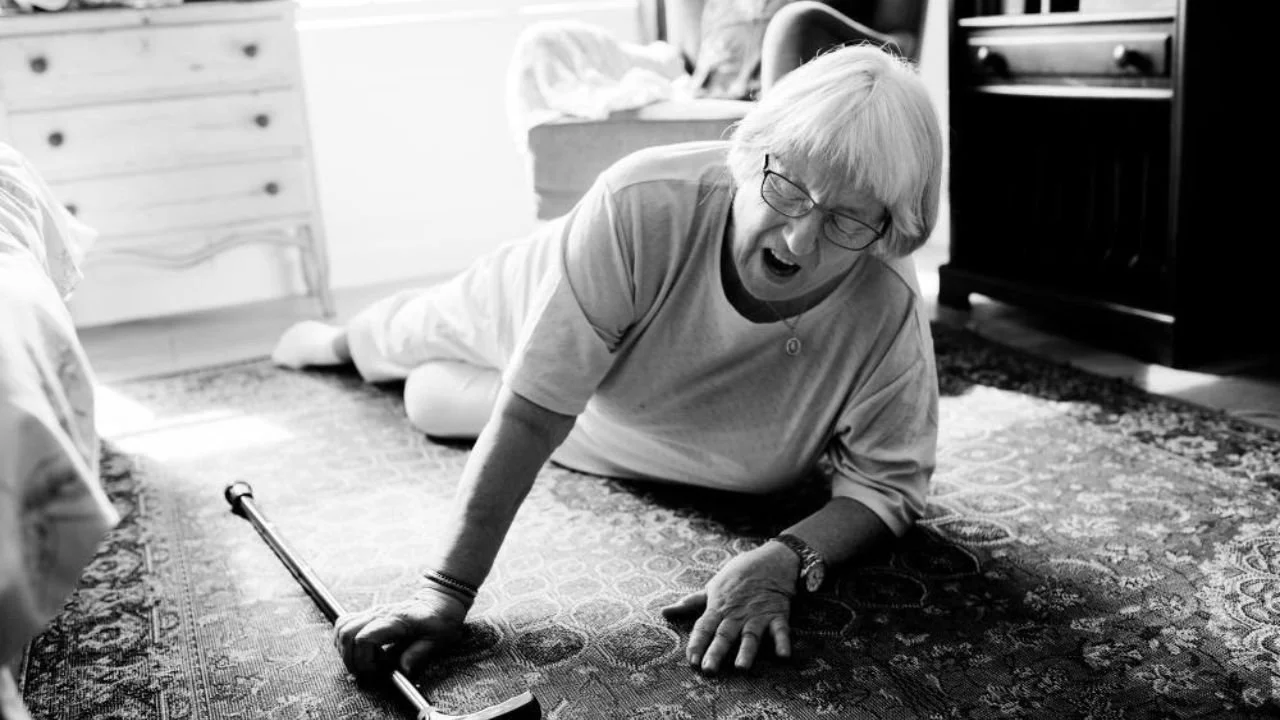
Bruises appear without a clear explanation. Furniture gets rearranged, so there's always something to grab. Walking looks unsteady, shuffling instead of confident steps. Getting out of chairs takes three tries.
The statistics are genuinely scary. A quarter of seniors over 65 fall every year. These falls cause the majority of hip fractures, and recovery often never happens completely. Some people never go home after a bad fall; straight from the hospital to a nursing facility.
Most falls don't get reported, though. Embarrassment keeps people quiet. They minimize what happened or claim it wasn't serious. Families only find out when injuries become impossible to hide.
Regular homes weren't built for people with balance issues. Stairs, throw rugs, narrow hallways, and bathrooms without grab bars; hazards everywhere. Assisted living facilities design their entire layout around preventing falls. Wide hallways, grab bars throughout, emergency call buttons within reach, and staff available immediately when someone does go down.
Keystone Bluffs is intentionally built with wide hallways, grab bars, emergency call systems, and 24/7 staff availability to minimize fall risks. Schedule a Tour to check out our safety-focused environment on our services page.
#5 Food Stops Being a Priority
The refrigerator holds spoiled milk from three weeks back. Expired canned goods fill the cabinets. Actual fresh food? Nowhere to be found. But ask about eating, and the answer comes back "I'm eating fine."
Cooking involves too many steps for someone struggling cognitively or physically. Planning meals, shopping, preparing food safely, and cleaning up afterward is exhausting just to think about. Standing at the stove hurts. Carrying grocery bags home is impossible. The whole thing becomes overwhelming.
Poor nutrition accelerates decline in every way. Weight drops, the immune system weakens, confusion increases, and healing slows. A social worker once found a client who'd lost 30 pounds in four months, eating nothing but crackers and cereal because cooking felt impossible.
Assisted living serves three real meals daily. Balanced nutrition, dietary accommodations handled, and a social atmosphere during dining. Nobody has to cook, shop, or clean up. For someone who's been struggling to eat properly, this alone changes everything.
We provide balanced, nutritious meals tailored to dietary needs with a welcoming dining atmosphere at Keystone Bluffs. See how our daily dining and wellness support works at our assisted living overview.
#6 Loneliness Takes Over Completely
Days pass without talking to another human being. Friends have died or moved away. Activities stopped because driving causes anxiety. The world shrinks down to four walls and silence.
Isolation damages health as severely as smoking does. It increases dementia risk by half, raises blood pressure, and shortens lifespan. People need interaction; actual conversation, shared experiences, connections with others.
Living alone makes isolation exponentially worse. No reason to leave the house, nobody to talk with, nothing breaking up the monotony. Purpose evaporates along with routine.
Assisted living creates automatic social opportunities. Shared meals mean daily conversation. Activities happen regularly. Friendships form naturally among people experiencing similar life stages.
#7 Driving Becomes Genuinely Dangerous
New dents on the car every few weeks. Getting lost on familiar routes. Neighbors mentioned concerning behavior behind the wheel; running stop signs, driving twenty miles below the speed limit, and seeming confused at intersections.
Vision fades, reactions slow, medications cause drowsiness. Seniors often don't realize how much their driving has deteriorated. But letting an unsafe driver continue puts everyone at risk.
Cars represent independence, though. Taking away someone's license feels cruel and triggers massive fights. Yet without transportation, people become trapped at home; unable to shop, attend appointments, or see friends.
Assisted living solves this completely. Scheduled transportation to appointments, stores, and activities. Independence is maintained without the danger of impaired driving.
#8 Health Conditions Multiply and Overwhelm
Diabetes, heart disease, and arthritis; managing multiple conditions simultaneously requires constant attention. Blood sugar checks are done twice daily. Daily weighing to monitor fluid retention. Physical therapy exercises. Doctor appointments every week. It becomes a full-time job.
Hospital readmissions signal things aren't working at home. Diabetics develop infected ulcers because they can't reach their feet to check them. Heart failure patients miss warning signs. Recovery from surgery stalls because therapy exercises get skipped.
Assisted living provides nursing staff who monitor health constantly. They catch problems early, coordinate with doctors, and ensure therapy happens. Comprehensive medical management that's nearly impossible to replicate at home.
#9 Caregivers Hit the Wall
Missing work constantly for parent emergencies. Marriage strained from exhaustion. Personal health is neglected because there's no time. Feeling resentful, then guilty about the resentment.
Family caregiving destroys people slowly. Sleep deprivation, emotional devastation, watching decline happen, and financial strain from reduced work hours or job loss. The responsibility never stops; 24/7, no breaks, no vacations.
Burnout helps nobody. Exhausted caregivers make mistakes. Their own health fails, creating new crises. Relationships fracture under pressure.
Recognizing burnout as a valid reason for moving to assisted living removes the guilt. Professional care lets family members be relatives again instead of exhausted caregivers. Time together actually improves when daily care burdens lift.
#10 Memory Loss Creates Serious Danger
The same questions are repeated every five minutes. Confusion about the year or season. Leaving the stove on. Getting lost walking in the neighborhood after living there for forty years.
Memory problems create escalating dangers. Forgotten stoves cause fires. Wandering leads to injury or death. Medications are taken multiple times. Doors left unlocked invite danger inside.
Living alone with significant memory impairment is simply unsafe. Home care around the clock costs more than assisted living while providing less support.
Memory care units within assisted living offer specialized dementia care. Trained staff, secure facilities preventing wandering, structured routines reducing confusion. Safe environment designed specifically for cognitive impairment.
Making This Work
By recognizing these warning signs ahead of time, you are able to plan instead of panicking. Tour various places together while your parents can still be involved in the decision-making. Let them decide what to bring and how to organize their personal space.
The change is painful for everyone. Older adults grieve for their independence even if they agree that it is necessary. Family members experience a mixture of guilt, grief, and relief, all emotions intertwined.
Present it as receiving help rather than losing freedom. Getting rid of household chores, having nutritious meals without any effort, getting social opportunities, and receiving professional health care. Most people who have moved into residential homes state that they feel better after they have adapted to their new living environment.
Make a point of staying in touch/present in the initial period. Engage in activities together. Assist in forming new relationships with other residents and the personnel. Usually, the adaptation period comes to an end, and contentment significantly rises.
Clearly, every situation is unique. However, several warning signs that appear at the same time indicate that it's time for serious talks with the seniors and their medical professionals. The longer one waits, the higher the risks are, and the fewer choices will be available when the crisis comes, and action has to be taken immediately.
Assisted living is a great option if you want to provide your loved ones with professional support, social activities, and a safe environment that is specially designed for the elderly. Making this change at the appropriate time helps the elderly to retain their self respect, make the most of their remaining freedom and get the right care. The choice never seems simple, but identifying that time is when it becomes essential is the sign of a responsible and loving family.
Frequently Asked Questions
When is it too late for aging in place, and is it time for Assisted Living?
It generally becomes quite apparent when the day-to-day living is getting the old person more and more tired and drained, such that it is actually a problem. When the old person cannot merely cope anymore but gets totally worn out, then instead of people saying that he or she shouldn't be given any help, they are actually thinking that it is practically necessary.
Does relocating to Assisted Living mean that you have to relinquish your autonomy?
Giving up your autonomy is not the only possible consequence if you move into a care home. In many cases, it is quite the opposite; the support enables a person to be more independent by freeing up valuable time and energy that were previously taken up by the housework, etc. Assistance is hardly ever run of the mill stuff or directly outside your door, but more invisible, harmonious help.
Is assisted living strictly for people with very serious medical needs?
Besides people with severe medical conditions, there are also other people residing in the Assisted Living facilities. A lot of them tend to move in such a way to be in a position of conserving their health and thus keep the disorders at bay their treating illnesses. They want to have a place where, e.g., it is possible to go down the stairs safely, but they can also have a warm meal, and they can have a shower without any worries. Assisted living means that they have a contact point with some kind of health care at hand 24/7 if need be, but it is not there for people at home who are just waiting to be sent to the hospital when they get sick, but meeting their health needs that are, by and large, pretty mild.
How long does a person take to mentally and emotionally settle in after she
Everyone is different, and as such, the period of adjustment will vary from person to person. Most probably, the time when the new