
What to Pack for Your First Day at Keystone Bluffs
The first day at Keystone Bluffs feels big. Not scary big. Just life-changing big.
There are boxes. A folder with paperwork. Maybe a daughter triple-checking medications. Maybe a son pretending he is not emotional.
And somewhere in between all that movement, one simple question keeps coming up.
What exactly should go in those boxes?
Families search for an assisted living move-in checklist because they want control. They want to get it right. They want the first night to feel calm instead of chaotic. That makes sense.
Here is what actually matters.
#1 Start With the Essentials First
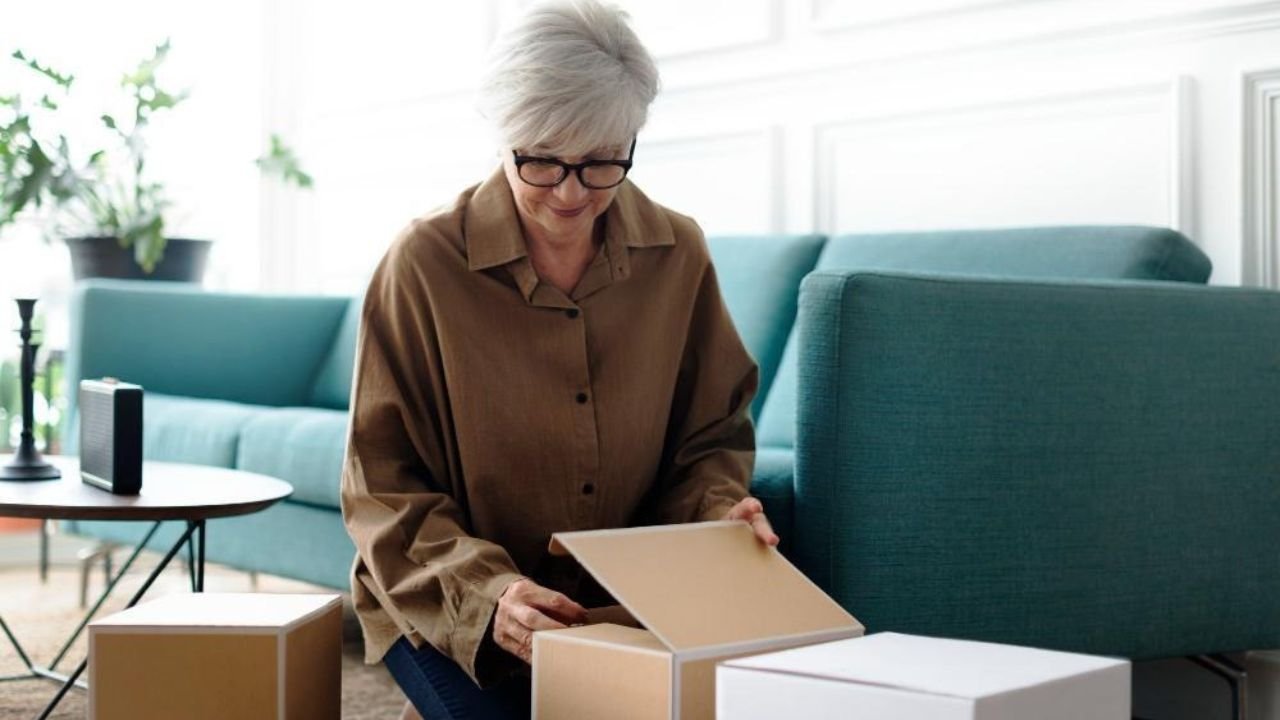
Before decorative pillows and framed vacation photos, focus on the items that support daily routines. Assisted living communities provide many basics, but residents still need personal belongings that make life comfortable.
Here is a practical breakdown of what to bring to assisted living on day one:
Personal Documents Folder
Keep these in one clearly labeled folder:
Government-issued photo ID.
Medicare and insurance cards
Prescription drug plan information
Advance directives or power of attorney documents
Contact list for family members
Having this organized avoids scrambling later. Staff will ask for some of it during intake, and being prepared reduces stress.
#2 Clothing That Makes Daily Life Easier
Closets in assisted living apartments are comfortable but not oversized. This is not the time to bring forty years of wardrobe history.
Instead, pack clothing that is:
Easy to put on and remove
Comfortable for sitting and walking
Appropriate for seasonal weather in Minnesota
Machine washable
A simple guideline many families use:
Category: Everyday outfits
Suggested Quantity: 7 to 10
Category: Pajamas
Suggested Quantity: 5 to 7
Category: Undergarments
Suggested Quantity: 10 to 14
Category: Sweaters or light jackets
Suggested Quantity: 2 to 3
Category: Dress outfit for events
Suggested Quantity: 1 to 2
Category: Comfortable shoes
Suggested Quantity: 2 to 3 pairs
Look, assisted living is not about fashion statements. It is about comfort, mobility, and dignity. Soft fabrics win. Complicated buttons lose.
And label everything. Laundry services are wonderful, but labels prevent mix-ups.
#3 Medications and Health Supplies

This is where preparation really matters.
Bring:
A complete list of current medications
Actual medication bottles, unless instructed otherwise
Hearing aids with extra batteries.
Eyeglasses and a backup pair
Dentures and cleaning supplies
A CPAP machine, if used
Many communities coordinate pharmacy services after move-in. But on day one, clarity prevents delays. No one wants to spend the first night hunting down a prescription refill.
At Keystone Bluffs, our 24/7 care team handles medication management and coordination from day one; see how we support health and daily routines byscheduling a tour.
#4 Bedding That Feels Like Home
Assisted living apartments typically include a bed frame and mattress. But bedding is personal.
Bring:
Two sets of sheets
A favorite blanket
A comforter or quilt
Preferred pillows
It sounds small. It is not.
The first night in a new place feels different. Familiar sheets soften that transition more than people expect.
#5 Toiletries and Bathroom Basics
Bathrooms are usually private in assisted living apartments, but residents bring their own supplies.
Pack:
Toothbrush and toothpaste
Hairbrush and comb
Deodorant
Preferred shampoo and body wash
Electric razor or shaving supplies
Nail care items
Lotion
And non slip bath mats if allowed. Safety matters.
Avoid clutter, though. Counter space is limited. Keep it simple.
#6 Personal Touches That Actually Matter
This is the part families often overthink.
You do not need to recreate an entire house. But you do need familiar anchors.
Consider bringing:
Framed family photos
A favorite chair if space allows
One or two meaningful decorative pieces
A bedside lamp
A small bookshelf
The goal is emotional comfort, not storage overflow.
Here is something that surprises families. Too many items can make the apartment feel crowded and overwhelming. Assisted living works best when there is clear walking space. Mobility aids need room. Staff may assist with transfers. Open space supports safety.
#7 Small Kitchen Items
Many assisted living apartments include a kitchenette. Meals are typically provided in the dining room, but residents often enjoy snacks.
Bring:
A favorite coffee mug
Small snack containers
A few plates or bowls
Simple utensils
Tea or favorite shelf-stable snacks
No need for full cookware sets. No air fryers unless specifically allowed. Safety policies exist for a reason.
#8 Electronics and Communication
Staying connected is huge for emotional health.
Bring:
Cell phone and charger
Tablet or laptop if used
Address book
Television if desired
Simple alarm clock
And make sure WiFi setup is discussed ahead of time.
Family members sometimes assume technology will be complicated. It usually is not. But labeling cords helps. Trust that.
#9 Items That Support Hobbies
Assisted living is not about sitting in a room all day. Communities like Keystone Bluffs offer activities, social programs, and common spaces.
Encourage continuation of hobbies.
Bring:
Knitting supplies
Crossword books
A favorite novel series
Sketch pads
Puzzles
Gardening gloves for patio planters
Purpose matters. Routine matters.
Packing items that support daily enjoyment makes the apartment feel alive instead of temporary.
What Not to Bring to Assisted Living
This part is just as important.
Families often ask what not to bring to assisted living because they want to avoid mistakes. Good instinct.
Here is what typically stays behind:
Large or Bulky Furniture
Oversized recliners
Full dining tables
China cabinets
Extra dressers
Space constraints make these impractical.
Hazardous Items
Space heaters
Electric blankets if restricted
Candles
Extension cords without approval
Cleaning chemicals
Safety policies are not arbitrary. They protect residents.
Valuable Jewelry or Large Cash Amounts
Assisted living communities are secure, but accidents happen. Keep heirloom jewelry with family unless regularly worn.
Throw Rugs
They seem harmless. They are not.
Trip hazards are one of the leading causes of falls in older adults. Removing loose rugs reduces risk significantly.
Excess Duplicates
Five hairdryers. Ten purses. Six sets of winter boots.
Honestly, it clutters drawers and increases stress.
Here is a quick reference table:
Do Not Bring: Candles
Why: Fire risk
Do Not Bring: Space heaters
Why: Overheating and safety concerns
Do Not Bring: Throw rugs
Why: Fall hazard
Do Not Bring: Excess furniture
Why: Limits mobility
Do Not Bring: Large safes
Why: Unnecessary and heavy
Emotional Preparation Matters Too
Packing is physical. Transition is emotional.
Families sometimes focus so heavily on the assisted living move-in checklist that they forget the human side.
It helps to:
Visit before move-in day.
Meet staff members
Attend a meal if possible.
Talk through expectations
A smooth first day often depends more on preparation conversations than on what is in the boxes.
And here is something important. The first setup does not have to be perfect. Items can be added later. Adjustments happen. That is normal.
Safety First Packing Principles
When deciding what to bring to assisted living, use three simple filters:
Is it safe
Is it functional
Does it provide comfort?
If an item does not meet at least one of those, reconsider it.
Assisted living apartments are designed to balance independence and support. Overfilling them works against that design.
The First Day Setup Strategy
Move-in day can feel busy. A clear order helps.
Suggested order of setup:
Make the bed first
Set up medications and health items.
Arrange seating and walking paths.
Place essential toiletries
Add personal decor
Once the bed is made and essentials are placed, everything else feels manageable.
Families often notice that once photos are on the wall and the favorite blanket is folded at the foot of the bed, the room shifts. It stops feeling like a facility and starts feeling like home.
Why This Checklist Matters
Communities like Keystone Bluffs focus on comfort, dignity, and community engagement. Bringing the right items supports that goal.
Too much clutter increases fall risk. Too few personal items can make the space feel temporary. The balance is what creates stability.
And stability on day one sets the tone for week one.
Final Assisted Living Move-In Checklist
Here is a consolidated summary for easy reference:
Bring
Personal documents
Comfortable labeled clothing
Medication list and supplies
Bedding and pillows
Toiletries
Personal decor
Small snack items
Communication devices
Hobby materials
Leave Behind
Large furniture
Throw rugs
Space heaters and candles
Valuable excess jewelry
Duplicates and clutter
Keep it practical. Keep it personal. Keep it safe.
The goal is not to replicate a previous home perfectly. It is to create a supportive new chapter with the right essentials in place.
And when those essentials are thoughtfully packed, the first evening at Keystone Bluffs feels less like a move and more like a beginning.
Ready to make your move-in smooth and comfortable? Reach out to Keystone Bluffs to discuss your loved one's needs, view apartments, and get personalized guidance byscheduling a tour.
One More Thing Worth Saying
Families sometimes feel guilty about what they couldn't bring. The sectional sofa. The spare room of books. The whole collection of holiday decorations. And residents sometimes feel like they're losing their identity in the downsizing.
But here's what actually happens at communities like Keystone Bluffs. People discover that a thoughtfully arranged, smaller space feels surprisingly freeing. That a curated collection of photos and meaningful objects tells their story just as powerfully as a houseful of stuff. And that's what matters most about feeling at home has far less to do with square footage than with warm staff, good food, activities worth showing up for, and neighbors who become genuine friends.
The goal of this checklist isn't just a smooth moving day. It's a genuinely good first day at Keystone Bluffs.
Frequently Asked Questions
Q: Can residents bring their own bedroom furniture to Keystone Bluffs?
Yes, absolutely. Residents are encouraged to bring familiar pieces like a favorite armchair, bedside table, or dresser since personal furniture makes an enormous difference in how quickly a new space starts to feel like home. The one thing worth doing first is confirming the dimensions of the apartment so nothing arrives that genuinely won't fit. The Keystone Bluffs team can walk families through the layout ahead of move-in day.
Q: What happens if we accidentally bring something that isn't allowed?
Honestly, it happens more often than families expect, and it's not a crisis. Staff will flag any items that raise safety concerns (think space heaters or loose area rugs) and work with the family to find a solution, whether that means taking the item back home or finding an approved alternative. The goal is always a safe, comfortable space. Nobody gets in trouble for packing a throw rug they didn't realize was a hazard.
Q: How much clothing should a resident bring on move-in day?
Two weeks' worth covers it comfortably. Keystone Bluffs offers laundry services, so there's no need to pack a full wardrobe. Bring enough for daily rotation, a couple of nicer outfits for community events, and season-appropriate layers (especially for Duluth winters). Starting with a manageable amount also makes the closet and dresser feel organized rather than overwhelming, which genuinely helps with the emotional adjustment in those first few weeks.