
Duluth Winter Safety: Why Assisted Living Is Better During Snow
Duluth winters are no joke. Maximum temperatures stay below 32°F for an average of 106 days a year, making it the second coldest city in the contiguous United States, behind only International Falls.
The city normally receives 86.1 inches of snow per season, and that snowpack? It lingers. A snowpack of twenty or more inches deep can cover the city anytime from November to April and, on average, lingers for 25 days a year.
For younger, healthier adults, that’s inconvenient. For older adults living alone, it can be genuinely dangerous.
This isn’t fear-mongering. It’s just the reality of aging in one of America’s snowiest cities. And it’s exactly why so many families in the Duluth area start seriously considering assisted living once the first big storm of the season hits.
The question worth asking honestly is: what does winter actually look like for a senior living independently, and where does assisted living change that equation?
Why Duluth Winters Hit Seniors Harder Than Anyone Realizes
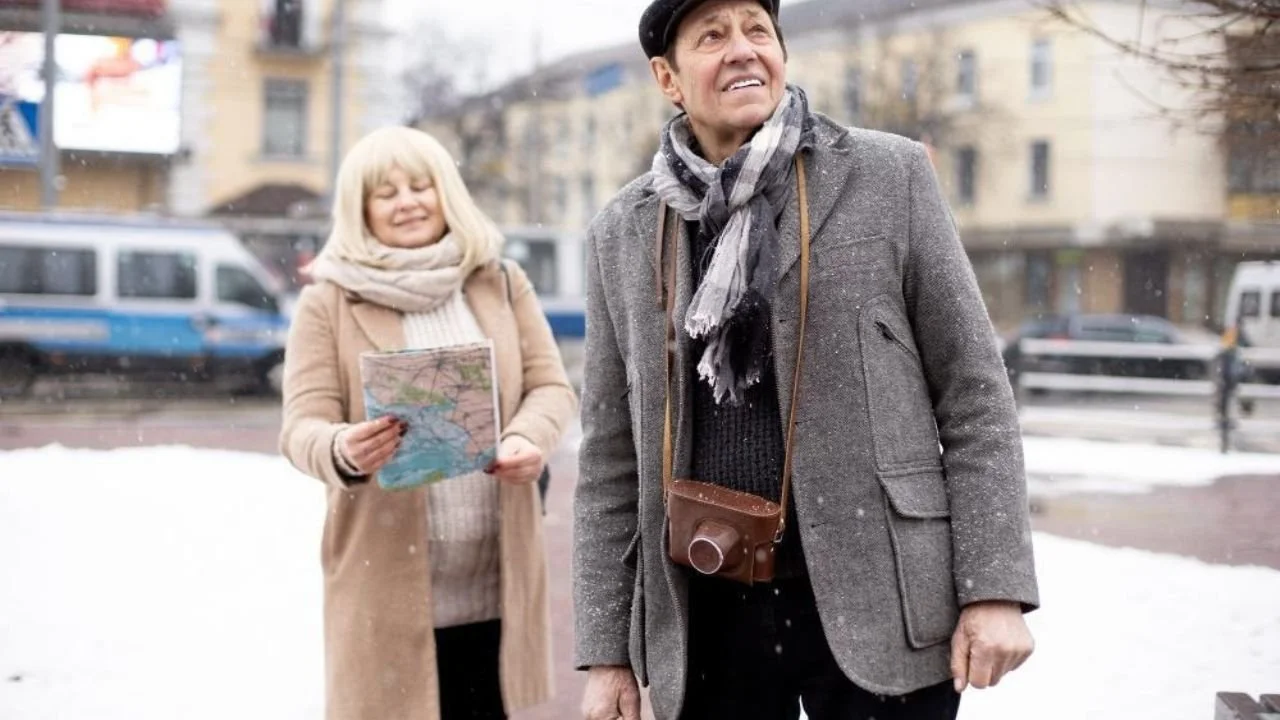
Here’s the thing that surprises a lot of families: the risk isn’t just “slipping on ice outside.” The cold itself becomes a threat, sometimes right inside the home.
About 20% of injuries related to cold exposure actually occur in the home. Even mildly cool homes with temperatures from 60 to 65°F can lead to hypothermia in older adults.
Think about that. A senior at home who turns down the heat to save on bills, or whose furnace has a bad night, is already in a danger zone.
Biology is unforgiving. The layer of fat just beneath the skin, which helps conserve body heat, becomes thinner in older adults. Less-efficient blood flow, caused by declining elasticity in veins and arteries with age, also makes it harder to stay warm. Combine that with a Duluth January, and there’s real exposure risk.
What makes this worse is that it can be more difficult for older adults to recognize the body’s signals that it is becoming too cold. The muddled or disordered thinking that occurs during hypothermia can not only affect decision-making, but it can also prevent the person from even realizing they are in danger.
Medical conditions common in seniors compound everything. Diabetes, which affects roughly one-third of adults 65 and older, can prevent blood from flowing normally, disrupting temperature regulation.
Thyroid problems can affect the body’s ability to maintain a normal temperature, and memory problems can prevent people from taking certain precautions. And certain medications? Medications that cause drowsiness or affect balance can prove hazardous in icy or snowy conditions, creating “a perfect storm for falls.”
The Real Winter Risks for Seniors: A Quick Breakdown
Risk: Hypothermia
Why It’s Worse for Seniors: Thinner skin, slower circulation, medication interference
How Assisted Living Helps: Climate-controlled environment maintained 24/7
Risk: Falls on ice
Why It’s Worse for Seniors: Balance decline, vision changes, medication side effects
How Assisted Living Helps: No need to go outside unsupported; clear indoor pathways
Risk: Cardiovascular strain
Why It’s Worse for Seniors: Cold constricts blood vessels, raises blood pressure
How Assisted Living Helps: Staff on-site; immediate response capability
Risk: Social isolation
Why It’s Worse for Seniors: Snow makes leaving the home impossible for days
How Assisted Living Helps: Built-in community, activities, and daily social interaction
Risk: Dehydration
Why It’s Worse for Seniors: Seniors feel less thirsty in cold; indoor heat dries out air
How Assisted Living Helps: Hydration monitored and meals served consistently
Risk: Respiratory illness
Why It’s Worse for Seniors: Enclosed spaces; weakened immune response to cold
How Assisted Living Helps: Health monitoring, medication management
Winter Safety Tips for Seniors Living at Home (And Why They’re Hard to Follow Alone)
If a senior is still living independently, these winter safety tips for seniors matter enormously. But notice how each one assumes they have support.
Warmth at home
Keep indoor temperatures at a minimum of 68°F, ideally closer to 70°F per World Health Organization guidelines.
Block drafts and use railings to help avoid slipping on icy stairs and walkways
Keep extra blankets accessible and layered clothing within reach.
Avoiding outdoor hazards
Wear nonskid, rubber-soled, low-heeled footwear and stay inside when the weather is bad. Consider using services that deliver prescriptions, groceries, and other necessities so there’s no need to go out.
Skip shoveling entirely. When it’s cold outside, the heart works double time to keep the body warm. Strenuous activities like shoveling snow may put too much strain on the heart, especially for those with heart disease.
Recognizing warning signs of hypothermia
Warning signs include cold skin that is pale or ashy, feeling very tired, confused, and sleepy, feeling weak, problems walking, and slowed breathing or heart rate.
Call 911 immediately if these are observed.
Staying socially connected
Check in with family or neighbors daily.
Have an emergency contact plan if power goes out or roads close.
Here’s the honest reality, though. A list of winter health tips for seniors is only useful if someone can actually follow them. A senior living alone with limited mobility, on a fixed income, managing multiple medications, has to remember all of this themselves.
During a Duluth winter that brings snowstorms of over five inches in a day, which normally occur four times annually, those tips become a very heavy lift.
That’s not a knock on anyone’s independence or capability.
What Assisted Living Actually Looks Like During a Duluth Winter
Families often think of assisted living as a last resort. But honestly, for anyone living alone in northern Minnesota, winter is the season that reframes that thinking entirely. Because what assisted living offers isn’t just care. It’s the removal of about a dozen winter hazards simultaneously.
AtKeystone Bluffs Assisted Living in Duluth, the building itself eliminates the outdoor exposure problem. Residents live, eat, socialize, exercise, and access care without ever having to navigate an icy parking lot or a snow-covered sidewalk.
The environment stays warm. Someone is always available. And the daily rhythms of meals, activities, and wellness support don’t stop just because there’s a blizzard outside.
Think about what that actually means for winter health tips for seniors:
Warmth: The building maintains consistent, appropriate indoor temperatures. No one is quietly freezing because they didn’t want to run up the heating bill.
Nutrition: Meals are prepared and served daily. No risk of not eating because grocery delivery is backed up or roads are impassable.
Medication: Medication management means prescriptions don’t get skipped because a pharmacy run isn’t possible.
Mobility: With 80 apartments all on one floor, residents aren’t navigating stairwells or outdoor distances in winter conditions.
Social connection: Winter isolation is one of the most underappreciated mental health risks for seniors. At Keystone Bluffs, there’s a daily activity calendar and built-in community, so a week of heavy snow doesn’t mean a week of sitting alone.
Emergency response: If something happens, help is not a phone call away. Help is in the building.
The Isolation Problem Nobody Talks About Enough
Winters in Duluth can strand a senior at home for days. Real talk. The mental health impact of that is significant and often invisible to families until they realize their parents haven't left the house since before Christmas.
In winter, there’s an increased risk of respiratory disease, heart attack, hypothermia, falls, and carbon monoxide poisoning, as well as increased isolation for the elderly.
That last item on the list tends to get glossed over. But isolation compounds every other risk. It leads to depression, cognitive decline, missed medications, and poor nutrition. It makes winters harder for the mind and the body.
Assisted living communities break that cycle. Not because they’re structured or restrictive, but because there are simply other people around. Friends, staff, activities. Someone who notices if a resident seems off today.
Keystone Bluffs offers a daily activity calendar, social gatherings, and wellness programs to prevent winter isolation. See how our community support works when youschedule a tour.
Signs It May Be Time to Consider Assisted Living Before Next Winter
If any of these feel familiar, winter is probably the right time to have a real conversation:
An older loved one has had a fall, a near-fall, or a close call on ice in the past year.
They live alone, and there are long stretches where no one checks in.
Managing heating, groceries, medications, and home maintenance is becoming difficult.
They’ve expressed loneliness or seem withdrawn, especially in winter.
A health condition like diabetes, heart disease, or arthritis creates a particular cold-weather vulnerability.
The thought of a power outage or snowstorm leaving them without support is genuinely frightening.
None of these means something is wrong with the person. They mean the situation has outgrown what solo living can safely offer, especially in Duluth’s winter.
If these signs resonate, Keystone Bluffs provides the safety net many Duluth families need during harsh winters. Reach out to discuss your loved one's care byscheduling a tour.
A Duluth Winter in Assisted Living vs. At Home
Here’s a simple picture of what the same Tuesday in January looks like across two different situations.
At home alone:
A winter weather advisory drops 9 inches overnight. The driveway and front steps are covered. Prescriptions need to be picked up. It’s cold in the house because the heating bill last month was shocking. Breakfast is whatever’s in the cupboard. There’s no plan if something goes wrong.
At Keystone Bluffs:
The same storm came through. Residents wake up in a warm apartment. Breakfast is being served in the dining room. The activity room has something going on this morning. Medications are on schedule. Staff is on-site. The storm is an interesting conversation, not a crisis.
That’s not a small difference. That’s quality of life.
Final Thoughts: Winter Safety Is About More Than a Checklist
Following winter safety tips for seniors matters. Wearing the right shoes, keeping the heat up, staying hydrated, and watching for hypothermia symptoms. All of it is real and important. But winter safety in Duluth is also an infrastructure problem. It requires a warm, well-staffed, accessible environment where the hard parts of the season are handled by design.
Assisted living, done well, is exactly that. It doesn’t take independence away from seniors. It removes the obstacles that have been quietly eating away at it.
Keystone Bluffs Assisted Living sits in the heart of Duluth, designed specifically so residents can age actively, with dignity, through every season. If this winter has brought some of those “what if” moments to the surface for your family, that’s worth paying attention to.
Schedule a tour at Keystone Bluffs and see what winter looks like when someone’s got your back.
Frequently Asked Questions
Q: How cold does it have to get before it's dangerous for a senior living alone in Duluth?
Colder than most people expect. Indoor temperatures between 60 and 65°F can trigger hypothermia in older adults, even if that doesn't feel "cold" to a younger person in the same room. Seniors lose body heat faster, feel cold less acutely, and often don't recognize the warning signs early enough.
In Duluth, where overnight lows can drop well below zero for weeks at a time, even a brief heating failure or a drafty home becomes a real medical risk. The danger isn't always a blizzard outside. Sometimes it's just a thermostat set a little too low.
Q: Won't my parents lose their independence if they move into assisted living?
This is honestly the most common concern families bring up, and it's worth addressing directly. Assisted living isn't a nursing home. At a community like Keystone Bluffs, residents keep their own apartments, their own routines, and their own social lives.
What changes is that the hard stuff, managing medications, navigating icy conditions, and getting meals when roads are closed, is handled. Most residents find they actually feel more independent because they're not spending energy worrying about logistics and safety. They're spending it on living.
Q: What should we look for when touring an assisted living community in winter?
Pay attention to the things that matter specifically when temperatures drop. Ask how the building handles heating failures. Look at whether the layout requires going outdoors between areas. Check whether staff are on-site overnight.
Find out how medications are managed when roads make pharmacy runs impossible. And notice whether residents seem engaged and social, or if they're sitting alone. Winter isolation is a real risk even inside a facility, so a strong activity calendar and genuine community atmosphere matter as much as the physical building.