
What Are Indoor Activities That Help Seniors Manage Elderly and Heat Intolerance?
Summer sounds lovely in theory. Longer days, warm evenings, fresh fruit everywhere. But for older adults? A hot afternoon can flip from uncomfortable to genuinely dangerous faster than most people realize.
And the numbers here are kind of alarming.
More than80 percent of the roughly 12,000 Americans who die from heat-related causes each year are over the age of 60. That's not a small footnote. That's the headline. And yet so many families spend all of summer worrying about sunscreen and not nearly enough time thinking about what heat is actually doing inside their loved one's body.
So let's get into it.
If you're already exploring options for a loved one, take a look at theassisted living services at Keystone Bluffs to see how year-round care and programming are built into daily life here.
Why Elderly and Heat Intolerance Are Such a Loaded Combination
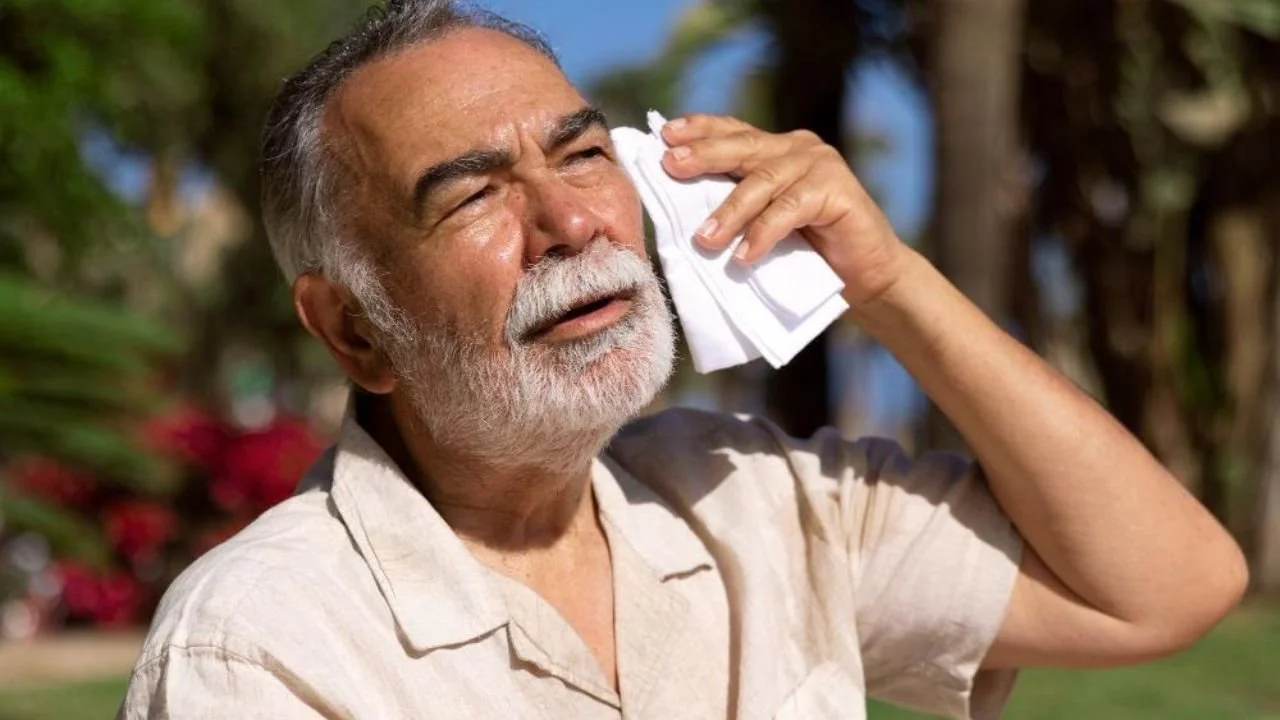
This isn't about older adults being fragile or dramatic. There's real, documented biology behind it.
As people age, body composition shifts in several ways, including changes in fat distribution, muscle mass, skin, and sweat glands, and all of these directly affect how well the body regulates temperature. Think of it like an old radiator that just doesn't cool down the engine the way it used to.
Older adults don't adjust as well to sudden temperature changes; they're more likely to have a chronic condition that alters the body's normal heat response, and more likely to be on prescription medications that affect the ability to sweat or regulate temperature.
Here's something that surprises a lot of people. Temperatures don't actually have to reach 90 or 100 degrees to cause problems. They only have to rise beyond what's normal for that region. Problems with hydration, sleep quality, and cognitive function can start showing up at 85 degrees. Which is, honestly, not that hot.
The heat-related conditions seniors are most at risk for include:
Heat syncope (sudden dizziness during physical activity in the heat)
Heat cramps (muscle spasms, usually in the stomach, arms, or legs)
Heat edema (swelling in the feet and ankles when temperatures climb)
Heat exhaustion (the body is dehydrated and struggling to cool itself down)
Heat stroke (the serious one, a full medical emergency)
Heat stroke warning signs include body temperatures of 103°F or higher, skin that's hot and dry without sweating, a racing heart rate, severe headaches, confusion, and loss of consciousness. Without immediate treatment, it can cause organ damage and death.
So yeah. Staying cool is not a lifestyle preference for older adults. It's a medical necessity.
Staying Indoors Is a Strategy, Not a Surrender
Look, there's sometimes this attitude that keeping seniors inside on a hot day is somehow limiting them. It's not. It's protecting them so they can actually enjoy the rest of the day, the week, the season.
Being indoors during summer provides real protection against heat-related health conditions including sunburn, dehydration and heat stroke. The goal isn't to sit on a couch and wait for fall. The goal is to stay active, engaged, and healthy, just with the thermostat on your side.
And there are genuinely good ways to do that.
Indoor Activities That Actually Make a Difference
1. Chair Yoga, Stretching, and Gentle Resistance Work
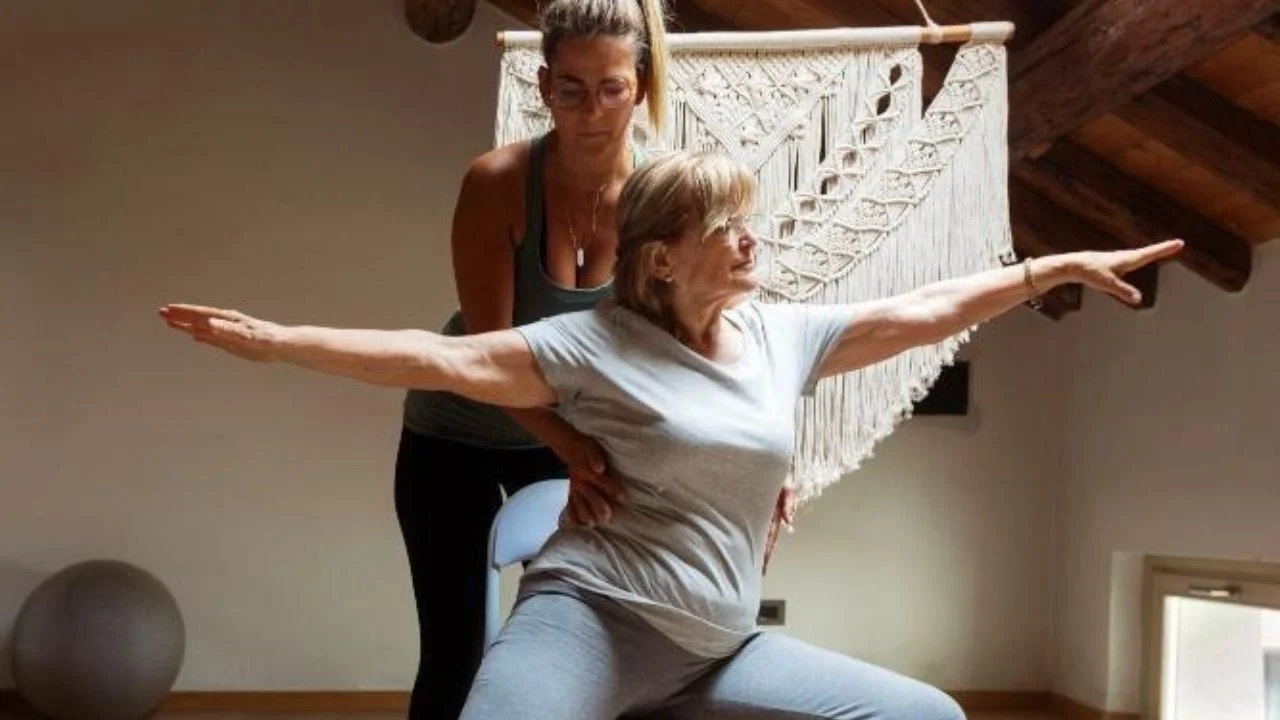
Movement matters. Even gentle movement. Especially gentle movement.
Chair yoga is surprisingly effective (and underrated, honestly) because it keeps joints mobile and muscles working without spiking exertion to dangerous levels. And resistance training with light bands or hand weights? Building muscle through resistance work can actually improve the body's ability to regulate temperature, and you can build muscle at any age.
That's not a minor point. That's a direct connection between staying physically active indoors and managing heat intolerance better over time.
Activity: Chair yoga
Primary Benefit: Flexibility, balance, stress reduction
Intensity: Very low
Activity: Resistance bands
Primary Benefit: Muscle tone, thermoregulation support
Intensity: Low
Activity: Tai chi (indoors)
Primary Benefit: Balance, coordination
Intensity: Low
Activity: Treadmill walking
Primary Benefit: Cardiovascular health
Intensity: Adjustable
Activity: Indoor pool swimming
Primary Benefit: Full body, joint-friendly
Intensity: Low to moderate
Indoor swimming gives seniors the benefits of being in the water without the heat exposure that comes with an outdoor pool. Climate-controlled pools are honestly one of the best summer resources senior communities can offer.
2. Brain Games and Cognitive Activities
Here's something people don't connect often enough: heat affects cognitive function too. Brain fog, mild confusion, difficulty concentrating. These are documented symptoms of heat stress in older adults. So keeping the mind sharp during summer isn't just a fun pastime. It's protective.
Board and card games push seniors to use reasoning, logic, and problem-solving skills, all of which help build and maintain neural connections in the brain.
Good options that actually hold people's attention (not just "here's a crossword, good luck"):
Group trivia nights, where teams compete, the social energy makes this one.
Chess or checkers with a regular opponent (consistency helps)
Scrabble or Bananagrams for the word people
Jigsaw puzzles (genuinely meditative, and a 1000-piece puzzle can carry someone through multiple afternoons)
Online brain apps like Lumosity or even just Wordle, which has a surprisingly devoted senior fan base
The social ones are especially worth prioritizing. Trivia with a group hits cognitive stimulation and connection at the same time. Two birds.
3. Arts, Crafts, and Creative Projects
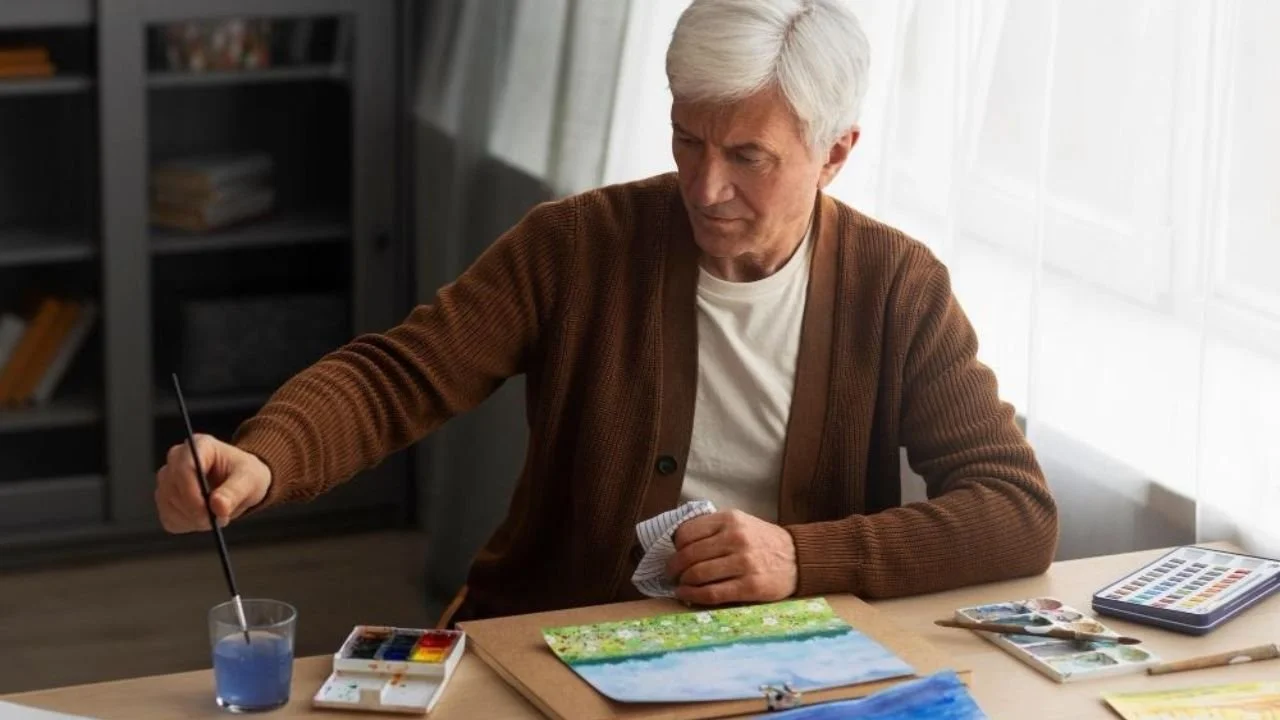
Painting, knitting, scrapbooking, ceramics. These feel quiet from the outside, but the impact is real.
Working on a hobby that produces something tangible helps increase confidence, concentration, motivation, and hand-eye coordination in seniors. And on a day when it's 94 degrees outside and going anywhere feels impossible, having a creative project waiting indoors completely changes the texture of the afternoon.
Some ideas worth trying:
Watercolor painting inspired by summer scenes (even just from photos or memory)
Knitting or crochet groups where people work and talk at the same time, surprisingly social
Scrapbooking to organize family photos and memories
DIY home décor projects themed around seasons or upcoming events
Pressed flower crafting using flowers from an indoor garden or shared community space
These aren't just "something to do." They're genuinely meaningful ways to spend an afternoon. And if you want to go deeper on this, there's a whole breakdown ofcrafts for seniors that support cognitive health and why they work specifically in assisted living settings.
4. Cooking, Nutrition, and Cool Treat Prep
This one pulls double duty. Cooking is an activity. But the output also directly helps with heat management.
During summer, diet plays a real role in how well seniors tolerate heat. Foods with high water content, such as watermelon, cucumber, berries, cold soups, and chilled smoothies, help with hydration in ways that plain water sometimes can't accomplish alone.
Fresh berries, chilled melon, and seasonal produce make simple, refreshing treats that seniors can prepare themselves, turning a basic snack into an actual activity with something to look forward to.
No-bake recipes are perfect for this. Zero oven heat was added to the room. All the rewards.
And hydration itself deserves a specific callout here. Daily water intake recommendations are roughly 15.5 cups for men and 11.5 cups for women, and keeping electrolyte tablets on hand can help replace minerals lost through sweating.
Seniors often experience a diminished thirst reflex, which means thirst alone isn't a reliable signal to drink. Building hydration into activities, making a smoothie, prepping a fruit bowl, hosting a lemonade afternoon keeps intake up without it feeling like a chore.
5. Learning, Virtual Travel, and Digital Exploration
Just because someone is 75 doesn't mean they're done being curious. And honestly, summer is a great excuse to finally learn something new.
Virtual tours of museums, travel destinations, and landmarks let seniors explore places they've always wanted to visit without ever stepping into the heat. The Louvre. The Smithsonian. Machu Picchu. Yellowstone. All of it is accessible from a comfortable chair in an air-conditioned room.
Other great options:
Online language learning (Duolingo is more addictive than people expect)
Documentary marathons are organized around a theme, say, national parks or world history.
Book clubs with structured discussions, good for social connection too
Memoir writing workshops or creative writing classes
Community guest lectures are held inside the facility.
Learning something new keeps the brain plastic and engaged. And it gives people something to talk about at dinner, which matters more than it sounds.
6. Social Events and Group Programming
Here's something that doesn't get enough attention. Isolation makes heat intolerance worse. Not metaphorically. When seniors are disconnected and alone, nobody notices early warning signs. Nobody's offering a glass of water. Nobody's checking in.
Senior living creates access to a social ecosystem that many older adults haven't experienced since their working years. Structured indoor programming keeps that social connection alive through the hottest months.
What works well in group settings:
Movie afternoons with themed snacks (a "summer classics" film series, for example)
Ice cream socials are simple, universally loved, and never fail.
Karaoke or group music listening sessions
Card tournaments, poker nights, bridge afternoons
Intergenerational events hosted indoors, where grandkids or volunteers come in
The social piece is health. Full stop.
Worth reading alongside this: a detailed look at themost valuable assisted living amenities for active seniors and how the right environment shapes daily wellbeing all year round.
7. Indoor Gardening
People assume gardening requires being outside. It doesn't.
Growing herbs for the kitchen or nurturing houseplants from seeds provides all the satisfaction of gardening without any sun exposure risk. And there's something genuinely grounding about tending to plants. It creates routine. It gives a sense of purpose. And fresh herbs from a windowsill garden actually end up in meals, which connects the activity back to nutrition and daily life in a nice full-circle way.
Succulents are low-maintenance and almost impossible to kill, which helps. Herb gardens (basil, mint, rosemary) reward regularly. And the act of watering, checking growth, and repotting occasionally, gives seniors a daily task that's gentle and meaningful.
Matching Activities to Goals
Goal
Best Indoor Activities
Physical fitness
Chair yoga, resistance bands, indoor swimming
Mental sharpness
Trivia, chess, puzzles, virtual learning
Emotional wellbeing
Art, music, movies, social events
Social connection
Group games, cooking classes, book clubs
Creativity
Painting, crafting, writing, scrapbooking
Hydration support
Smoothie prep, cooking classes, fruit-based snack activities
What This Actually Looks Like in a Good Senior Community
Summer is, honestly, a test for any senior living environment. The ones that handle it well aren't just running the AC and hoping for the best. They're programming intentionally through the hottest months. They're scheduling movement in the coolest parts of the day. They're building hydration into meals and activities. And they have staff who can actually recognize the difference between someone who's tired and someone who's showing early signs of heat exhaustion.
The smartest daily approach during summer heat involves moving strenuous activity to the beginning or end of the day and keeping seniors indoors during peak heat hours.
But beyond scheduling, it comes down to the environment. A warm, socially active, well-programmed indoor space does something that AC alone can't: it gives people a reason to stay inside, stay engaged, and stay well.
Elderly and heat intolerance are a real and serious combination. But it doesn't have to mean a summer spent waiting. With the right activities, the right environment, and the right support around them, older adults can have some of their best days, even when it's blazing outside.
If you're thinking about what summer, and every other season, should look like for your loved one,schedule a tour at Keystone Bluffs and see the environment firsthand.
FAQs
What causes heat intolerance in the elderly?
Age-related changes in circulation, hydration, and body temperature regulation make seniors more sensitive to heat.
Why are indoor activities important during hot weather?
Indoor activities allow seniors to stay active and socially engaged while avoiding dangerous temperatures.
What exercises are safe for seniors indoors?
Chair yoga, light stretching, and supervised balance exercises are safe options.
Can mental activities improve senior wellbeing?
Yes. Brain games and social discussions support cognitive health and emotional well-being.
How can caregivers help seniors stay cool indoors?
Caregivers can provide hydration reminders, maintain cool indoor temperatures, and encourage low-intensity activities.