
Top 7 Crafts for Seniors That Boost Cognitive Health in Assisted Living Settings
There is something quietly powerful about working with your hands.
Paint on fingertips. Yarn looping through fingers. The soft scratch of a pencil on paper. Small movements. Big impact.
And in assisted living settings, that impact goes far beyond passing time.
Crafts for Seniors are not just recreational activities. They support memory, focus, emotional stability, and social connection. Which matters more than most people realize.
According to the National Institute on Aging, staying mentally and socially active can help maintain cognitive health as people age. Not prevent every condition. Not promise miracles. But support the brain in meaningful ways.
Here’s the thing. Active aging is not accidental. It requires stimulation. Variety. Intention.
So, which crafts actually move the needle inside assisted living communities?
Let’s explore seven that consistently deliver results.
1. Painting and Watercolor Art
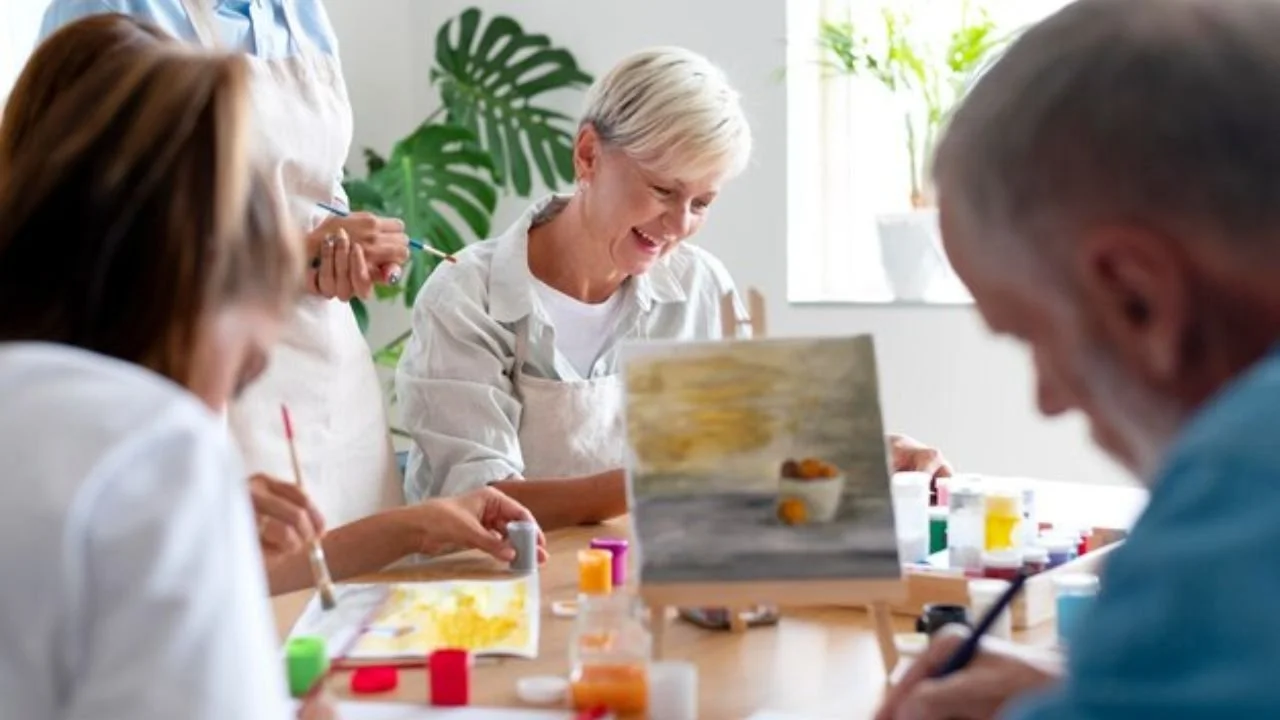
Color does something to the brain. It activates creativity. Encourages decision-making. Supports fine motor skills. And painting in particular requires focus without pressure.
Residents in assisted living settings often respond well to watercolor because it allows freedom. There is no single “correct” outcome. That matters.
Cognitive benefits of painting include:
Improved hand-eye coordination
Increased attention span
Emotional expression
Visual processing stimulation
Art therapy programs have shown positive effects on mood and memory in older adults. The American Art Therapy Association highlights how creative expression can support cognitive functioning and emotional well-being.
Plus, completed artwork creates a visible accomplishment. That sense of achievement builds confidence. And confidence feeds engagement.
2. Knitting and Crocheting

Repetitive motion. Structured patterns. Gentle concentration. Knitting and crocheting are surprisingly effective cognitive workouts.
They require counting stitches, following patterns, and correcting small mistakes. That combination stimulates working memory and attention.
Benefits often include:
Strengthening fine motor skills
Improving concentration
Reducing anxiety
Encouraging social interaction in group settings
There is also a calming effect. The rhythmic movement can lower stress responses. Lower stress supports brain health. And let’s be honest. A handmade scarf feels better than a store-bought one.
Group knitting and crocheting sessions are a staple in our social programming, helping residents build focus, reduce anxiety, and connect with others. See how our wellness and enrichment activities support active minds at our assisted living services.
3. Memory Scrapbooking
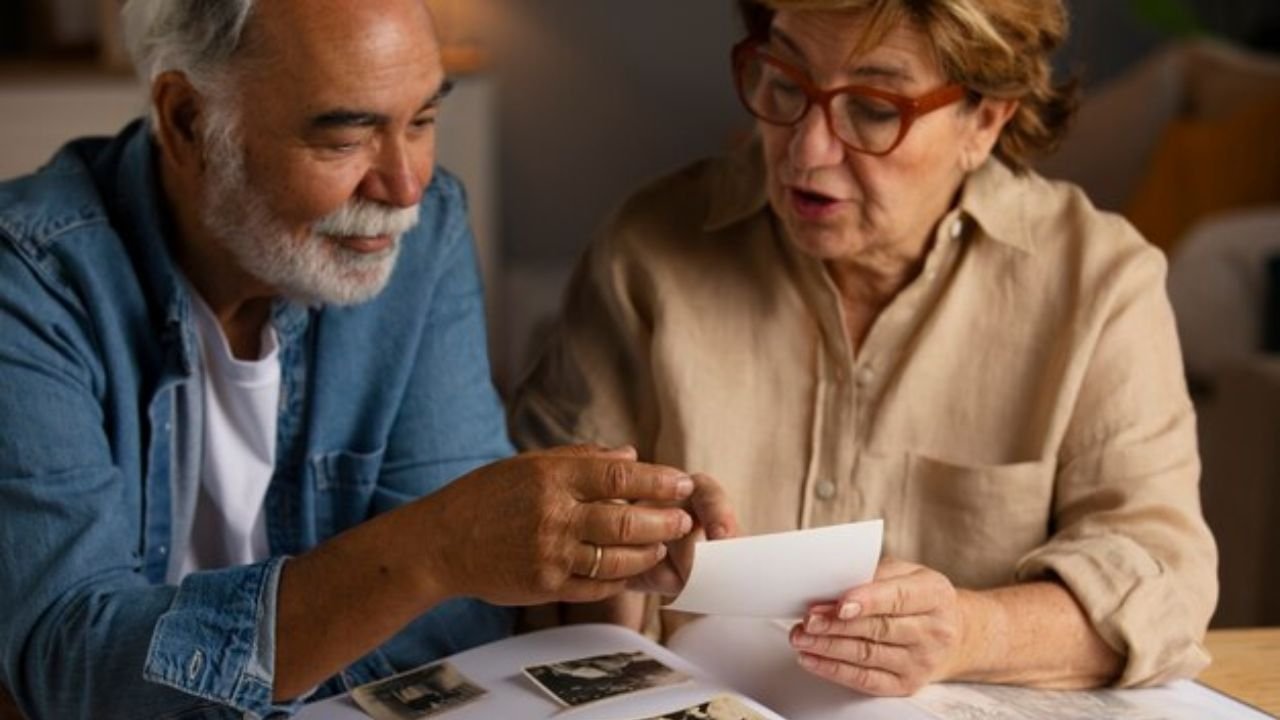
This one hits differently.
Scrapbooking combines storytelling, memory recall, visual design, and conversation. Residents gather photos, newspaper clippings, letters, and even recipes. Then they arrange them into meaningful pages.
That process activates:
Long-term memory retrieval
Sequencing skills
Language processing
Emotional reflection
Research supported by the Alzheimer's Association suggests that reminiscence activities can help individuals maintain a sense of identity and support cognitive engagement.
Memory scrapbooking also encourages group sharing. Residents tell stories. Laugh. Sometimes I tear up a little.
Those conversations strengthen social bonds. And social bonds protect mental health.
4. Adult Coloring and Pattern Work
Simple does not mean ineffective.
Adult coloring books featuring intricate patterns require attention to detail and visual tracking. Staying within lines. Choosing complementary colors. Planning ahead.
That light cognitive challenge helps stimulate:
Visual spatial skills
Focus and sustained attention
Short-term memory
In assisted living communities, coloring sessions are often structured around themes or seasons. That adds light cognitive layering.
And because the barrier to entry is low, almost everyone can participate. Which keeps engagement high. Sometimes accessibility is what makes an activity valuable.
5. Clay Modeling and Sculpting
Hands in clay. Texture. Pressure. Shape.
Clay modeling activates sensory pathways that painting does not. The tactile feedback stimulates the brain differently.
Benefits of sculpting often include:
Improved dexterity
Strengthening hand muscles
Encouraging three-dimensional thinking
Supporting problem-solving
Working with clay also requires planning. What will this become? A bowl. A small figurine. A decorative tile. Decision-making stimulates executive function. Which supports cognitive resilience over time.
And there is something grounding about molding material into shape. It demands presence. Presence supports mental clarity.
6. DIY Jewelry Making
Beads. Wire. Clasps. Patterns.
Jewelry making combines design thinking with fine motor coordination. Residents must:
Select color combinations
Measure string lengths
Thread small beads
Follow sequence patterns
That sequence tracking activates working memory and attention control.
Here is a quick breakdown:
Attention
How Jewelry Making Helps: Focus on bead placement
Memory
How Jewelry Making Helps: Remember pattern sequence
Motor Skills
How Jewelry Making Helps: Threading and clasping
Planning
How Jewelry Making Helps: Designing final layout
And there is a social bonus. Many residents give their creations to family members. That creates emotional reinforcement. Pride. Anticipation. Joy. Crafts that extend beyond the activity room often have a deeper impact.
7. Group Puzzle Crafts and Collage Boards
Not every craft needs to be individual.
Collaborative collage boards, vision boards, or large-scale puzzle art projects encourage teamwork. Residents must communicate, coordinate, and negotiate ideas.
That interaction stimulates:
Language skills
Social reasoning
Problem solving
Shared memory formation
Social engagement is directly linked to cognitive health. The Centers for Disease Control and Prevention has noted that social isolation can increase risks for cognitive decline and depression in older adults.
Group-based crafts reduce that isolation. Plus, teamwork adds energy. Laughter. Friendly debate about which color belongs where. That dynamic keeps the brain alert.
We regularly host collaborative craft sessions like group collages and puzzles to foster teamwork, communication, and shared accomplishment. Explore our full range of social and cognitive activities at our assisted living overview.
Why Crafts Matter in Assisted Living Settings
Assisted living communities are not simply residential spaces. They are active environments designed to support both independence and engagement.
When structured properly, Crafts for Seniors contribute to:
Daily routine and structure
Social connection
Emotional expression
Cognitive stimulation
Sense of accomplishment
And consistency is key.
A one-time art project is nice. A weekly creative program integrated into the community calendar is far more impactful.
Active assisted living communities understand that enrichment is not optional. It is foundational.
How Assisted Living Communities Can Make Craft Programs More Effective
Not all craft sessions produce equal results.
Programs tend to be most successful when they:
Offer multiple difficulty levels.
Rotate materials and themes.
Encourage resident input
Display completed projects publicly
Connect activities to holidays or personal stories.
The environment matters too. Good lighting. Comfortable seating. Accessible materials.
And staff involvement makes a difference. Gentle guidance without taking over the project.
Balance matters.
The Cognitive Connection Explained Simply
Cognitive health relies on stimulation. Neural pathways strengthen when used regularly. Skills like planning, sequencing, memory recall, and fine motor coordination can decline without practice.
Craft-based activities activate multiple areas of the brain at once.
Consider this simplified comparison:
Painting
Brain Areas Stimulated: Visual processing and creativity
Knitting
Brain Areas Stimulated: Memory and sequencing
Scrapbooking
Brain Areas Stimulated: Long term memory and language
Clay Work
Brain Areas Stimulated: Sensory and motor cortex
Jewelry Making
Brain Areas Stimulated: Executive function and attention
When seniors participate regularly, they maintain mental engagement in a low-pressure environment. That low-pressure aspect is important.
Stress impairs cognition. Creative expression tends to reduce stress. It is a practical, surprisingly effective combination.
Supporting Families Searching for Meaningful Enrichment
Families exploring assisted living options often focus first on safety and healthcare.
Those are critical.
But enrichment programs deserve equal attention.
Questions families might consider:
How often are creative activities scheduled?
Are crafts adapted for different ability levels
Do residents have input in programming
Are finished projects celebrated
Communities that prioritize structured enrichment signal something important. They understand that quality of life includes mental stimulation.
And mental stimulation supports long-term well-being.
Final Thoughts
The right creative program can shift the entire atmosphere of an assisted living community.
Craft tables become gathering spaces. Conversations spark naturally. Residents rediscover hobbies long set aside.
Crafts for Seniors are not childish distractions. They are cognitive tools. Social connectors. Confidence builders.
Painting. Knitting. Scrapbooking. Clay modeling. Jewelry making. Collaborative collage.
Each offers a slightly different cognitive workout.
Together, they create an environment where aging does not mean disengaging.
And that distinction changes everything.
If you're looking for an assisted living community where meaningful crafts, wellness programs, and social engagement support cognitive health and an active lifestyle, contact us at Keystone Bluffs to schedule a tour and experience it firsthand at our contact page.
FAQs About Crafts for Seniors in Assisted Living Settings
1. Do Crafts for Seniors really help with memory, or is that overstated?
Look, no craft is a magic pill.
But consistent creative activity does stimulate parts of the brain tied to memory, focus, and problem-solving. When residents follow knitting patterns, choose paint colors, or build scrapbook pages, they are actively using recall, sequencing, and decision making skills. That repetition matters.
Research from the National Institute on Aging supports staying mentally engaged as a way to help maintain cognitive function with age.
So no, it is not overstated. It is not dramatic either. It is steady reinforcement. And steady reinforcement adds up over time.
2. What if a senior has limited mobility or arthritis? Can they still participate?
Absolutely.
Craft programs in assisted living settings are usually adapted for different ability levels. Larger handled tools. Softer materials. Pre-cut shapes. Supportive seating. Small adjustments that make a big difference.
For example:
Foam grips added to paintbrushes.
Chunky knitting needles
Pre-threaded beads
Lightweight clay alternatives
The goal is participation, not perfection. And surprisingly, even small hand movements help maintain dexterity and coordination.
It is not about producing museum-quality art. It is about keeping hands and minds active.
3. How often should assisted living communities schedule craft activities to see real benefits?
Here’s the thing. Consistency matters more than intensity.
A single monthly craft session will not have the same impact as weekly programming. Communities that offer creative activities multiple times per week tend to see stronger engagement and routine building.
According to the Centers for Disease Control and Prevention, regular mental and social stimulation supports overall cognitive health in older adults.
That means crafts should feel woven into daily life. Not an occasional add-on.
When creativity becomes part of the weekly rhythm, participation becomes natural. And natural habits are the ones that stick.