
What Are the Most Valuable Assisted Living Amenities for Active Seniors?
There’s a big difference between needing help and wanting a better lifestyle.
That difference is exactly why conversations around assisted living amenities have changed so much in the last few years.
Today’s seniors are not slowing down quietly. They are traveling, joining clubs, lifting light weights, managing book groups, and Face Timing grandchildren across three time zones. They want support, yes. But they also want movement. Community. Purpose.
So the real question isn’t “What does assisted living provide?”
It’s this: What actually adds value for active seniors?
Let’s dig into what truly matters and why communities that get this right stand out.
1. Wellness Programs That Go Beyond Basic Exercise
Basic fitness rooms are everywhere.
But active seniors need more than a treadmill in a corner.
Valuable assisted living amenities include structured wellness programming designed specifically for aging bodies that still want to move.
That often includes:
Balance and fall prevention classes
Low-impact strength training
Chair yoga and flexibility sessions
Water aerobics, when available
Guided walking clubs
Personalized wellness assessments
Here’s the thing. Staying active is not just about fitness. It’s about independence. According to the Centers for Disease Control and Prevention, regular physical activity helps reduce the risk of falls, heart disease, and cognitive decline in older adults.
And that’s not a small thing.
A strong wellness program supports:
Improved Balance
Why It Matters: Reduces fall risk
Muscle Strength
Why It Matters: Supports mobility
Social Engagement
Why It Matters: Encourages consistency
Mental Clarity
Why It Matters: Boosts mood and cognition
Active seniors don’t want “exercise time.” They want structured, engaging sessions that feel purposeful.
That distinction changes everything.
At Keystone Bluffs, our wellness programs include balance classes, strength training, and guided walking groups tailored for active seniors. Learn more about how we support mobility and vitality at our assisted living services.
2. Social and Cultural Programming That Feels Fresh
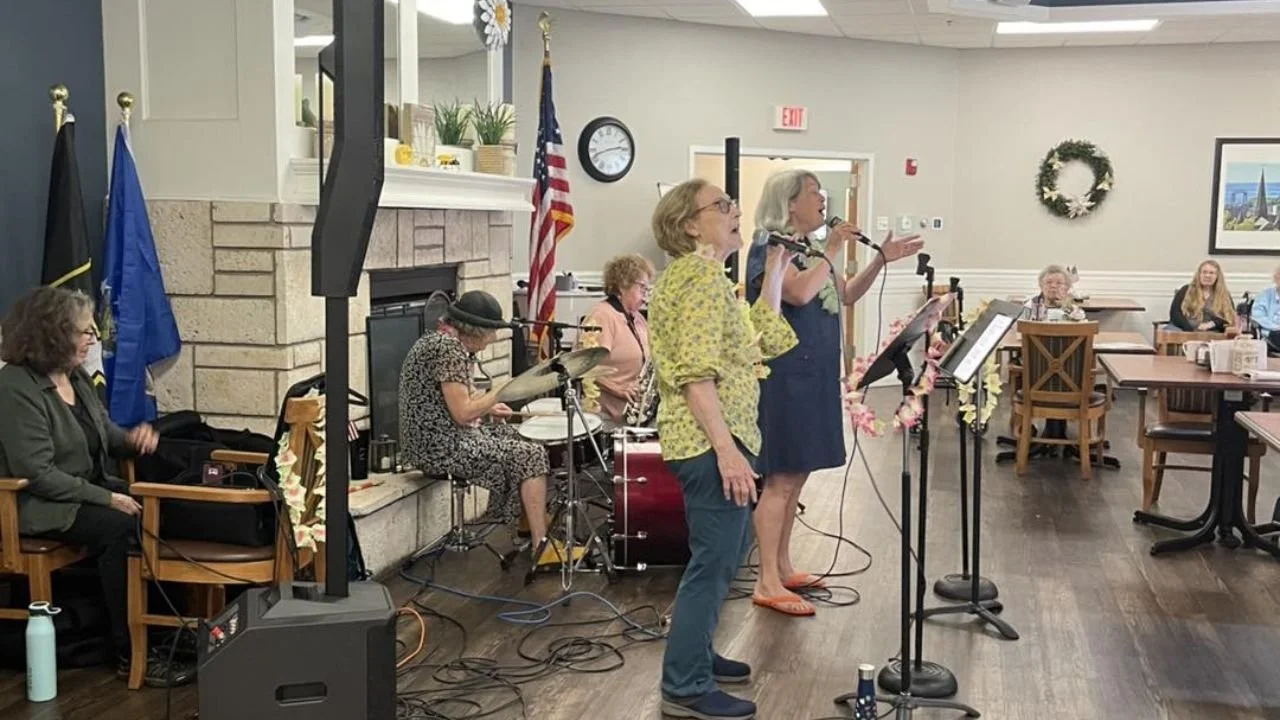
Bingo has its place. Absolutely.
But it cannot be the only option.
One of the most valuable assisted living amenities for active seniors is diverse programming that reflects real interests. Think:
Guest lectures from local experts
Art workshops
Cooking demonstrations
Live music nights
Book clubs
Gardening groups
Cultural celebration events
And yes, some friendly card tournaments too.
Communities that build a strong calendar create momentum. And momentum keeps people involved.
Isolation is one of the biggest risks older adults face. The National Institute on Aging has highlighted how social engagement supports cognitive health and emotional well-being.
Active seniors are not looking to fill time. They are looking to stay stimulated.
That’s a different mindset entirely.
We offer a vibrant calendar with guest lectures, art workshops, book clubs, and cultural events that keep residents engaged. Check out our full range of social and enrichment activities in our Assisted Living Services.
3. Restaurant Style Dining That Feels Like Choice
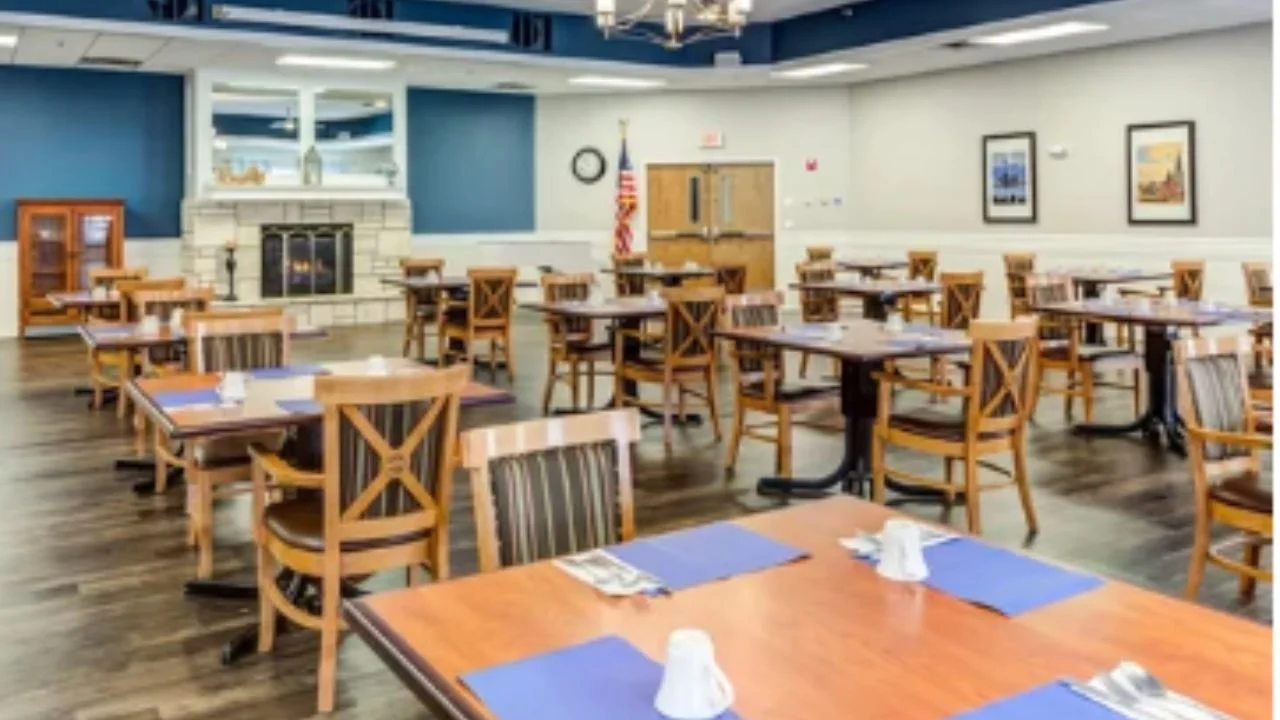
Food matters more than people admit.
Not just nutrition. Experience.
Communities that offer flexible dining hours, varied menus, and chef-prepared meals tend to see higher resident satisfaction. Because independence includes deciding when and what to eat.
Valuable dining-related assisted living amenities include:
Multiple menu options daily
Accommodations for dietary needs
Seasonal ingredients
The ability to dine with guests
Comfortable, well-designed dining spaces
Active seniors often come from homes where they controlled their kitchen for decades. Removing choice can feel frustrating.
But thoughtful dining programs preserve autonomy. That small detail builds trust.
And trust is everything.
4. Transportation That Supports an Active Lifestyle
An active senior rarely wants to stay on campus every day.
Doctor visits are part of life, sure. But so are:
Shopping trips
Religious services
Local events
Lunch outings
Community volunteer work
Scheduled and reliable transportation is one of the most practical assisted living amenities. It supports independence without the stress of driving.
Many older adults give up driving for safety reasons. According to the American Automobile Association, older drivers face increased crash risks due to changes in vision and reaction time.
Having dependable transportation removes that burden while preserving freedom.
And that feels empowering.
5. Outdoor Spaces That Invite Movement
Green space is not just decorative.
It affects mood. Sleep. Energy.
Communities that invest in:
Walking paths
Courtyards
Garden seating areas
Raised garden beds
Outdoor fitness stations
often see higher resident participation in daily activities.
Exposure to nature has been linked to improved mental health and lower stress levels. The American Psychological Association has discussed the mental health benefits of time spent outdoors.
Active seniors do not want to feel confined.
Open air matters. Sunlight matters. A safe place to take a morning walk matters.
Sometimes that is the difference between staying in and stepping out.
6. Technology Access and Support
And this one surprises people.
Technology is no longer optional.
Many active seniors use smartphones, tablets, and streaming platforms daily. They order groceries online. They attend virtual events. They text family constantly.
Valuable tech-focused assisted living amenities include:
Reliable high-speed internet
Wi Fi throughout the building
Tech support sessions
Computer access stations
Virtual learning opportunities
Digital literacy reduces isolation and increases independence.
Plus, let’s be honest. Video calls with grandchildren are non-negotiable.
Communities that treat technology as essential rather than extra are simply more aligned with today’s senior population.
7. On-Site Health Support Without Feeling Clinical
Active seniors often do not require intensive medical care. But they value access to support.
The sweet spot? Discreet health services that do not dominate daily life.
Examples include:
Medication management
Regular wellness checks
Coordination with outside providers
Access to therapy services
Emergency response systems
When these services are integrated seamlessly, residents feel secure without feeling restricted.
It’s a balance. And when done well, it is surprisingly effective.
8. Spaces Designed for Independence
Design influences behavior more than most people realize.
Wide hallways. Good lighting. Handrails are placed naturally. Thoughtful apartment layouts.
These physical elements support mobility without screaming “medical.”
Valuable assisted living amenities often include:
Private apartments with kitchenettes
Walk-in showers
Ample storage
Accessible bathrooms
Emergency call systems
Active seniors want their own space. A place to decorate. A place to host visitors.
Personal space reinforces dignity.
And dignity matters deeply.
9. Opportunities for Purpose and Contribution
This might be the most overlooked amenity of all.
Purpose.
Communities that encourage residents to lead clubs, mentor others, volunteer, or participate in planning events create something powerful.
Active seniors do not want to feel managed.
They want to feel useful.
Research from the Mayo Clinic suggests that having a sense of purpose contributes to longer life expectancy and better overall health outcomes.
That is not a soft benefit. It is measurable.
Programming that allows residents to contribute shifts the entire environment.
10. A Community Culture That Feels Energetic
Amenities are important. But culture ties it together.
Even the best fitness center means little if participation is low.
Communities designed for active seniors often share certain traits:
Warm, engaged staff
Residents who welcome newcomers
Transparent communication
A calendar that changes and evolves
Leadership that listens
Energy is hard to quantify. But you can feel it.
And active seniors absolutely notice it.
Quick Snapshot: What Active Seniors Value Most
Wellness
High Value Features: Structured classes, balance training
Social
High Value Features: Diverse programming, clubs
Dining
High Value Features: Choice, flexibility, quality
Mobility
High Value Features: Scheduled transportation
Outdoor Access
High Value Features: Walking paths, gardens
Technology
High Value Features: Wi-Fi, support sessions
Health Support
High Value Features: Discreet assistance
Living Space
High Value Features: Private, accessible apartments
Purpose
High Value Features: Volunteer and leadership roles
Why This Topic Matters for Families Researching Options
When families research assisted living amenities, they often focus on safety first. That makes sense.
But for active seniors, lifestyle can be just as important.
The right community supports:
Physical vitality
Social connection
Intellectual stimulation
Emotional well-being
It’s not about slowing down.
It’s about continuing forward with fewer obstacles.
Communities that understand this balance stand out because they recognize something simple but powerful:
Active seniors are still building their lives.
Just in a new setting.
Final Thoughts
The most valuable assisted living amenities are not flashy extras.
They are intentional supports.
Fitness that feels empowering. Dining that respects choice. Transportation that keeps residents connected to the larger community. Programming that stimulates the mind. Spaces that feel like home.
Active seniors are not looking for limitations.
They are looking for alignment. A place that matches their pace, their curiosity, their independence.
When a community delivers that combination, the experience shifts from “assisted” to genuinely supported living.
And that shift makes all the difference.
If you're looking for assisted living that truly supports an active, engaged lifestyle with meaningful amenities and community, contact us at Keystone Bluffs to schedule a tour and see it firsthand at our contact page.
FAQs About Assisted Living Amenities for Active Seniors
1. Do active seniors really need assisted living amenities if they are still independent?
Short answer? Yes.
Here’s the thing. Independence does not cancel out the need for support. It just changes what that support looks like.
Active seniors may not need constant medical supervision. But they often value:
Maintenance-free living
Access to fitness and wellness programs
Reliable transportation
Built-in social opportunities
On-site support if something unexpected happens
That combination reduces stress in a quiet way. No yard work. No home repairs. No worrying about driving at night.
And that mental relief often frees up more time and energy to stay active.
So it is not about dependence. It is about convenience and security layered under an active lifestyle.
2. Which assisted living amenities make the biggest difference in daily life?
Honestly? The ones that protect freedom.
Fitness programs tailored to older adults tend to have an immediate impact. So does flexible dining. So does transportation that allows residents to leave when they want instead of feeling stuck.
But there is another piece people underestimate.
Community energy.
A full activity calendar is great. But if the environment feels stiff or outdated, participation drops fast. Active seniors respond to spaces that feel vibrant and welcoming.
The most valuable assisted living amenities usually fall into three buckets:
Movement support
Social engagement
Practical convenience
When those three align, daily life feels easier. Not restricted.
3. How can families tell if a community truly supports active seniors?
Look beyond the brochure.
Ask specific questions:
How many fitness classes run each week
Are residents involved in planning activities?
Is transportation available for non-medical outings?
What does a typical day actually look like
Also, observe the residents. Are they out and about? Are they gathering in common spaces? Do conversations feel natural?
Active communities feel alive. There is movement. There is laughter. There is structure without rigidity.
If a place feels quiet in the middle of the afternoon with little engagement, that says something.
The best assisted living amenities are not just listed on paper. They are visible in how people live each day.
And that is what truly matters.