
Can You Be in a Wheelchair in Assisted Living and Still Maintain Your Independence?
At some stage, moving around starts shifting how freedom feels. It’s tough - maybe puzzling or draining - when a person used to doing everything alone now needs a wheelchair just to get around. Then, once care homes enter the talk, one thought pops up right away, soft but real.
What if you’re using a wheelchair in assisted living; can you still feel like you call the shots, just like before?
Families need clear answers. Locals look for comfort in uncertainty. Yet most wonder, can you stay truly independent when chairs roll instead of feet? The fact is, it’s all about surroundings, help nearby, or the neighborhood one picks. Once these fit together, freedom isn’t lost. It just changes shape.
This blog shows how things have changed while highlighting how care homes support freedom, movement, respect, and daily control over one’s life.
Understanding What Independence Actually Means in Assisted Living
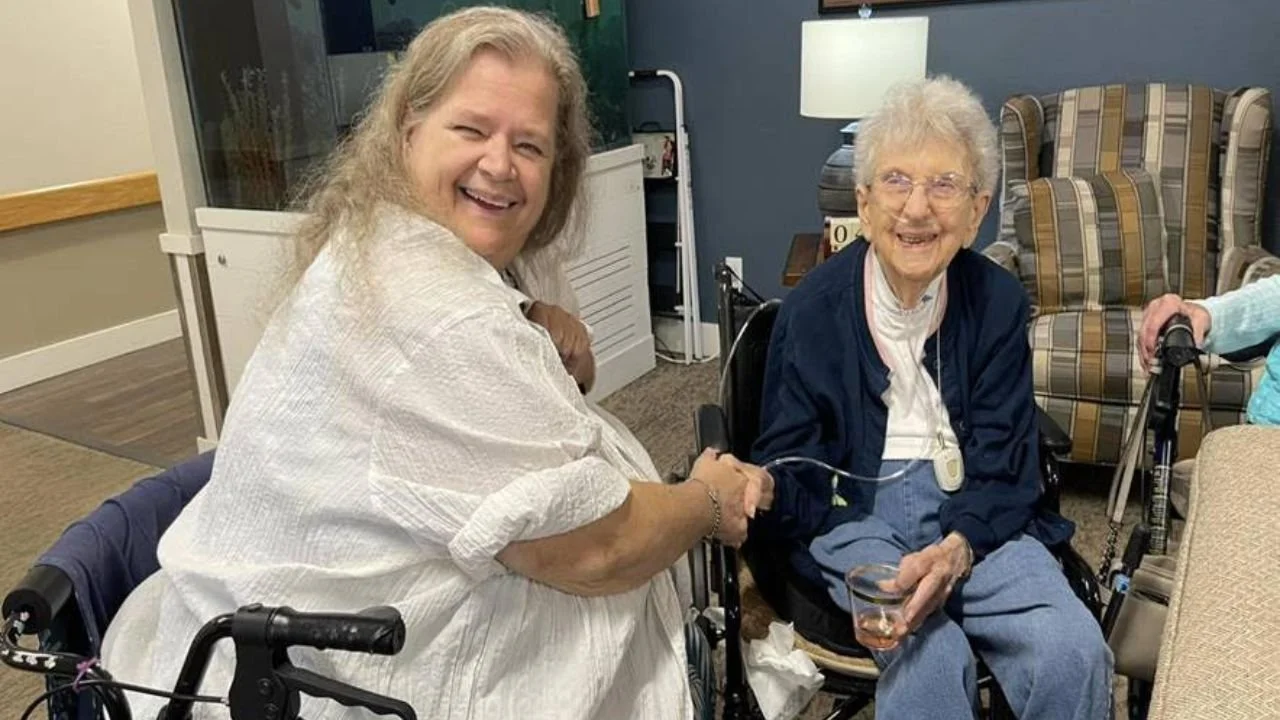
Independence isn’t defined by whether someone walks, wheels, or uses mobility aids. It’s shaped by how much control they still have over daily routines, habits, comfort, and personal preferences. And that’s where a well-structured community makes the biggest difference.
People often wonder can you be in a wheelchair in assisted living while still feeling capable and self-directed. The answer becomes clearer when understanding what modern assisted living is built around. It’s not a medical facility. It’s not a place where routines are dictated or freedoms are taken away. Instead, it’s a supportive environment designed to adapt to individual mobility needs.
Independence shows up in the ability to choose meals, activities, social time, quiet time, and the level of help someone prefers. Assisted living adds support, but it doesn’t remove autonomy. That’s the balance residents are looking for, and mobility equipment like wheelchairs doesn’t change that intention.
Assisted Living Isn’t Full Time Nursing (and That Changes Everything)
Some people get these words confused pretty often. Full-time nursing involves round-the-clock health support, bedrooms you share with others, plus rigid daily routines. On the flip side, assisted living offers your own apartment, space for your favorite chair or table, doors that lock, animals allowed around, along with a small kitchen setup and bathroom made accessible right away.
Help shows up just for stuff like pills, showers, getting dressed, nothing more, and then the staff give you room again. You pick when to rise, what clothes fit the mood, if it’s time for endless films or cards under warm lights.
Apartment Design That Puts Control Back in Your Hands
Modern accessible units begin with no-step entryways. Hallways stay wide; minimum 42 inches; to allow smooth rolling, not bumping. Doors open at least 36 inches across. In kitchens, countertops drop low enough to fit under, cupboards move on wheels, fridges stand side by side, so reaching inside doesn't require rising up.
Bathrooms are fully accessible; showers welcome wheelchairs right in, include folding seats, bars positioned where force works easiest, plus sinks shaped for knee clearance underneath. Light switches, along with thermostats, are mounted at 48 inches tall. A fast walkthrough highlights contrasts - certain spots resemble updated motels, while a few seem designed after real talks with people who use wheelchairs, asking, “How can this space work better for you?” Schedule a wheelchair-accessible tour to see it.
Technology That Quietly Hands Independence Back
Voice-activated lights, thermostats, and door locks mean saying “turn on the lamp” works when fingers don’t feel like cooperating. Automatic door openers on apartment and building entrances remove the embarrassment of waiting for help. Smart pendants or wristbands call staff only when truly needed; no hovering, just safety. Motion-sensor night lights guide midnight bathroom trips without fumbling for switches. All of it blends into the background so life feels normal, not medical.
Transportation Freedom Most People Never Expect
Top communities run their own wheelchair-accessible vans with drivers trained to secure chairs safely and quickly. Residents book rides to doctor appointments, grocery stores, hair salons, and even dinner with friends off property. No more relying on overwhelmed children or expensive ride-share services.
Most assisted-living communities offer scheduled transportation for errands, medical visits, and small group outings. Residents usually sign up in advance, and the staff arranges pick-ups and drop-offs based on the community’s set timetable. Some places also have an on-site hair-care room or bring in a visiting stylist for basic grooming. These services make day-to-day life easier without placing pressure on family members.
Book a tour to learn more.
Dining Choices That Feel Like Real Life
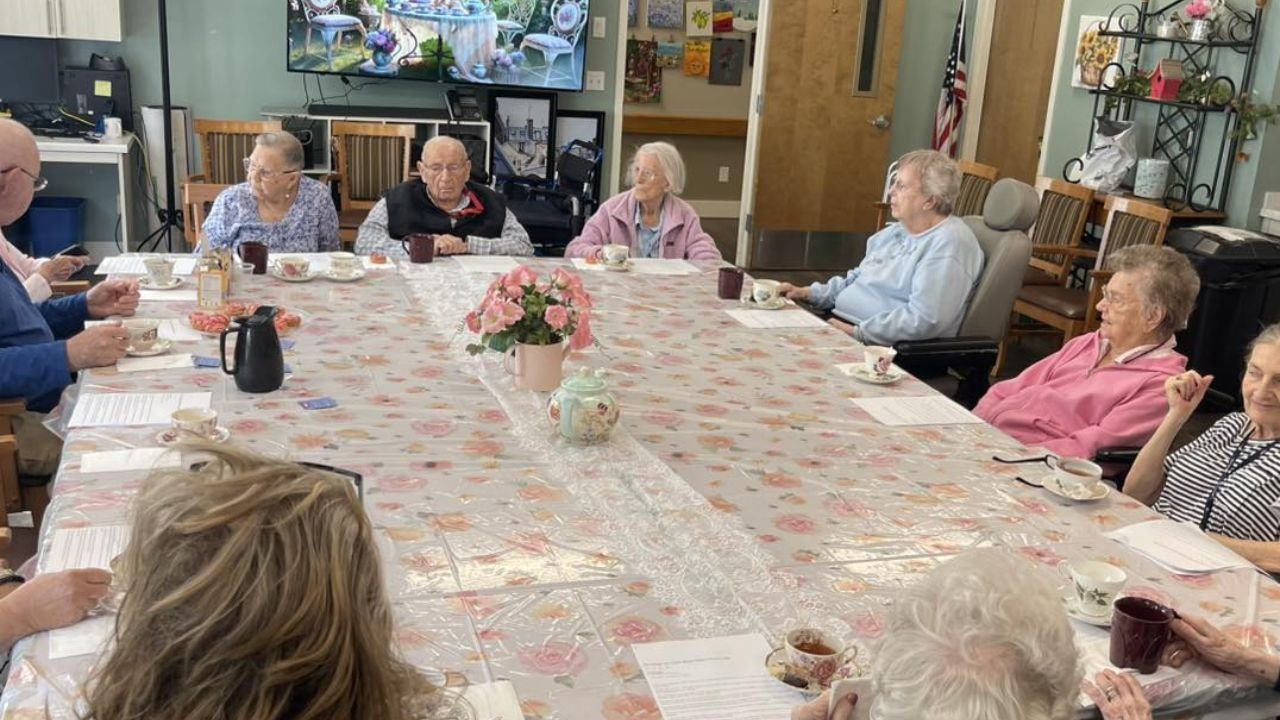
Gone are the old 5 p.m. cafeteria trays. Restaurant-style dining runs from 7 a.m. to 7 p.m. Roll up whenever hungry. Order from a menu that changes daily (salmon one night, lasagna the next) or request comfort food anytime. Private dining rooms let residents host birthday dinners for families without leaving the building. Kitchenettes in apartments mean midnight ice cream or morning cereal whenever the mood strikes. Staff happily warm up leftovers or blend a smoothie if their hands aren’t steady that day. Eating becomes a pleasure again, not a schedule.
Social Life That Doesn’t Revolve Around “Activities Hour”
The best places treat residents like adults with tastes and personalities. Card games start whenever four people feel like playing. Movie nights happen in real theaters with recliners and popcorn. Happy hour rolls out wine and beer on Fridays; nobody cards anyone over 65. Book clubs, painting classes, and gardening clubs meet because residents asked for them, not because a recreation director scheduled them. Wheelchair seating at every table means never missing out because “there wasn’t room.”
Personal Care That Respects Dignity and Timing
Help arrives on the resident’s schedule, not the facility’s. Need someone at 10 a.m. for a shower and dressing? That’s the plan every day. Prefer evenings? Done. Staff knock, wait to be invited in, and leave the moment the task is finished. Medication passes happen discreetly; no cattle-call pill lines. Housekeeping comes weekly or whenever requested. The goal: make assistance invisible so life feels self-directed at Keystone Bluffs assisted living.
Safety Without Feeling Watched
Emergency pull cords in every room and bathroom. Cameras are only in public areas. Staff trained to check in without hovering. Fall detection pendants that alert only when something is actually wrong. The balance feels just right: protected but not parented.
Cost Reality Check
Wheelchair-accessible apartments sometimes carry a modest upcharge for the larger layout and roll-in shower, but many communities now build everything accessible from the start, so no extra fee exists. Care costs depend only on how much help is needed, not on the chair itself. Most long-term care insurance, VA Aid & Attendance, and some Medicaid waiver programs cover the assistance portion while the resident keeps control of the apartment like any other rental.
Visiting Family and Friends Like Normal People
Grandkids run in and out. Friends drop by for coffee. Overnight guests crash on the pull-out sofa. Private apartments mean hosting Thanksgiving or watching the game together without asking permission. The only difference from a regular apartment? Someone else mows the lawn and fixes the plumbing.
The Mindset Shift That Changes Everything
Moving to assisted living while using a wheelchair used to mean giving up. Today, it increasingly means gaining: gaining safety without isolation, gaining help without helplessness, gaining a social calendar that rivals pre-retirement days. The wheelchair simply becomes transportation, not a life sentence.
So when families sit around the kitchen table asking whether someone can use a wheelchair in assisted living and still feel in charge of their own life, the answer, growing clearer every year, is a resounding yes. Residents enjoy private space, personal routines, meaningful choices, genuine friendships, and support that arrives only when requested. When the apartment door closes at night, it feels like home, with independence and dignity preserved, wheels and all.
That’s not settling. That’s upgrading life on your own terms.
Ready for a Community That Truly Supports Your Independence?
If the idea of moving into assisted living brings mixed feelings, Keystone Bluffs makes the transition feel easier. The setting is calm, the spaces are accessible, and the staff knows how to support wheelchair users without taking over the parts of life you want to handle on your own.
It’s a place where daily help is available, but independence is still respected. If you’re looking for a community that listens, understands, and gives you the freedom to live life your way, Keystone Bluffs is ready when you are.