
Mobility Assistance in Assisted Living: How to Spot the Places That Actually Walk the Talk
Ever watched a parent or spouse try to smile through a tour while quietly calculating how many doorways look too narrow, how many steps hide around corners, and whether anyone would really notice if they just stayed in the lobby forever?
That tight-chest feeling (half hope, half dread) hits every family shopping for assisted living when mobility is part of the picture. The brochures all say “accessible.” The websites all claim to be “wheelchair friendly.” But the difference between pretty words and real life can be the difference between a new chapter and a daily struggle. Here’s the exact checklist families need to separate genuine mobility assistance in assisted living from the smoke and mirrors.
Start Before You Even Leave Home
Use Google Earth to see the building first. Zoom all the way in. Does the front entrance have a ramp that disappears into a flower bed or a real, gentle slope with handrails on both sides? Are parking spots truly van-accessible (8-foot access aisle + 8-foot space) or just painted blue? Look at the satellite view for side entrances too; sometimes the “accessible” door is actually around back by the dumpsters. Five minutes online saves hours of disappointment later. Schedule a tour at Keystone Bluffs to preview accessibility.
The Entrance Sets the Tone for Everything Else
A truly accessible community greets wheelchair users like honored guests, not afterthoughts. Automatic doors should open wide and slow (at least 36 inches clear). The lobby floor should be level; no sneaky lips or thick rugs that catch wheels. Staff should open the door and immediately offer to help only if asked, never grabbing the chair without permission. Watch how current residents in chairs move through this space. If they look relaxed, the building probably works.
Room Tour: The Make-or-Break Moment
Ask to see an actual occupied wheelchair apartment, not just the model. Measure doorway clearance yourself; 32 inches sounds fine on paper but means constant scraping in real life. 36 inches minimum is the gold standard. Peek inside the bathroom; roll-in showers need a 60×60-inch turning radius, not 48.
Check that the toilet has room on both sides for transfers. Look under the kitchen sink; is there knee space or a cabinet blocking it? Lowered counters and side-opening ovens matter more than granite countertops at Keystone Bluffs assisted living.
Hallways and Elevators Tell the Real Story
Hallways must stay at least 42 inches wide; 48 is better when two chairs pass. Turning corners needs 60-inch clear circles. Elevator doors should open slowly and stay open long enough to maneuver without panic. Inside the cab, buttons need to be reachable from seated height and include Braille. Push the “door close” button; if it actually works instead of being decorative, someone cares about real life.
Common Areas: Where Life Actually Happens
Dining rooms need tables spaced for wheelchairs, not just one lonely “accessible” table in the corner. Activity rooms should have movable chairs so residents can create their own space. The theater or chapel needs multiple wheelchair seating spots scattered throughout, not corralled in the back.
Look for lowered drinking fountains, reachable coat hooks, and card tables at 28–30 inches high. See them in action during a community tour. These tiny details decide whether someone joins the fun or watches from the doorway.
Outdoor Spaces That Don’t Feel Like Jail
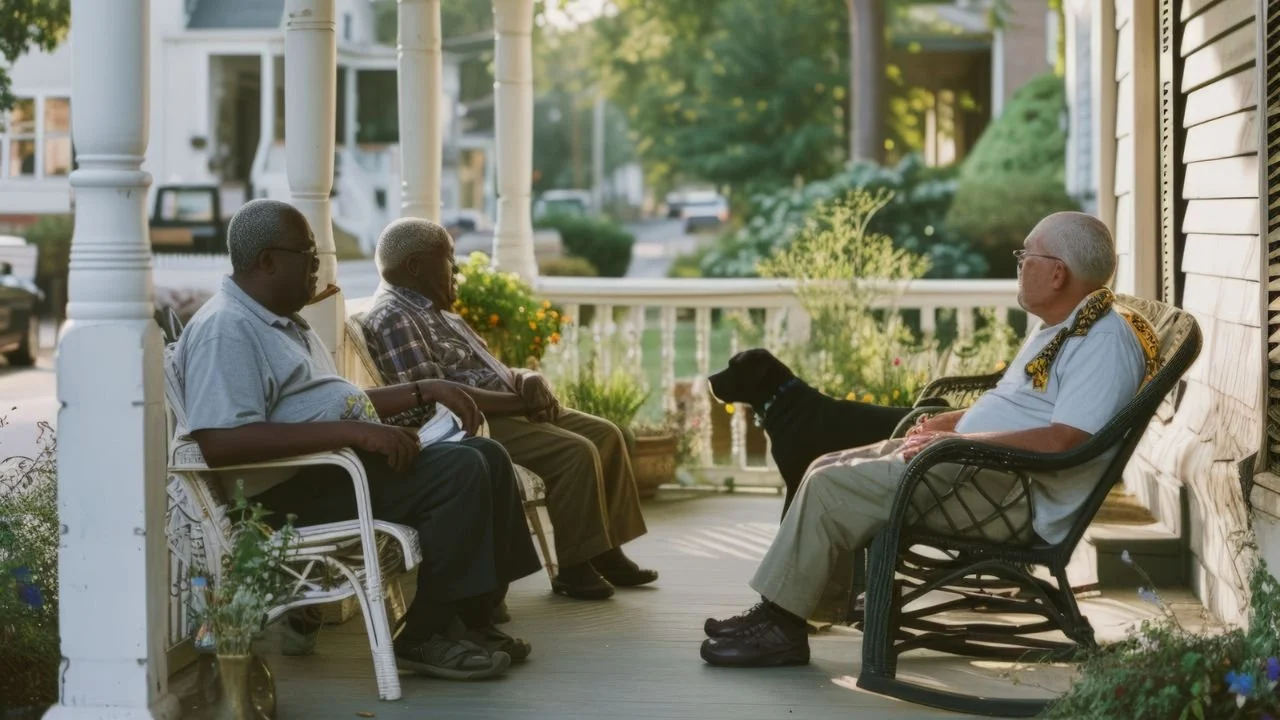
Beautiful landscaping loses meaning if residents can’t reach it. Paved, gentle paths (no steeper than 1:12) should loop the property with benches every 50 feet. Raised garden beds at wheelchair height let green thumbs stay active. Patios need tables with knee clearance and umbrellas that actually shade seated heights. Ask when the paths were last pressure-washed; slick algae turns accessible into dangerous fast.
Staff Training: The Invisible Superpower
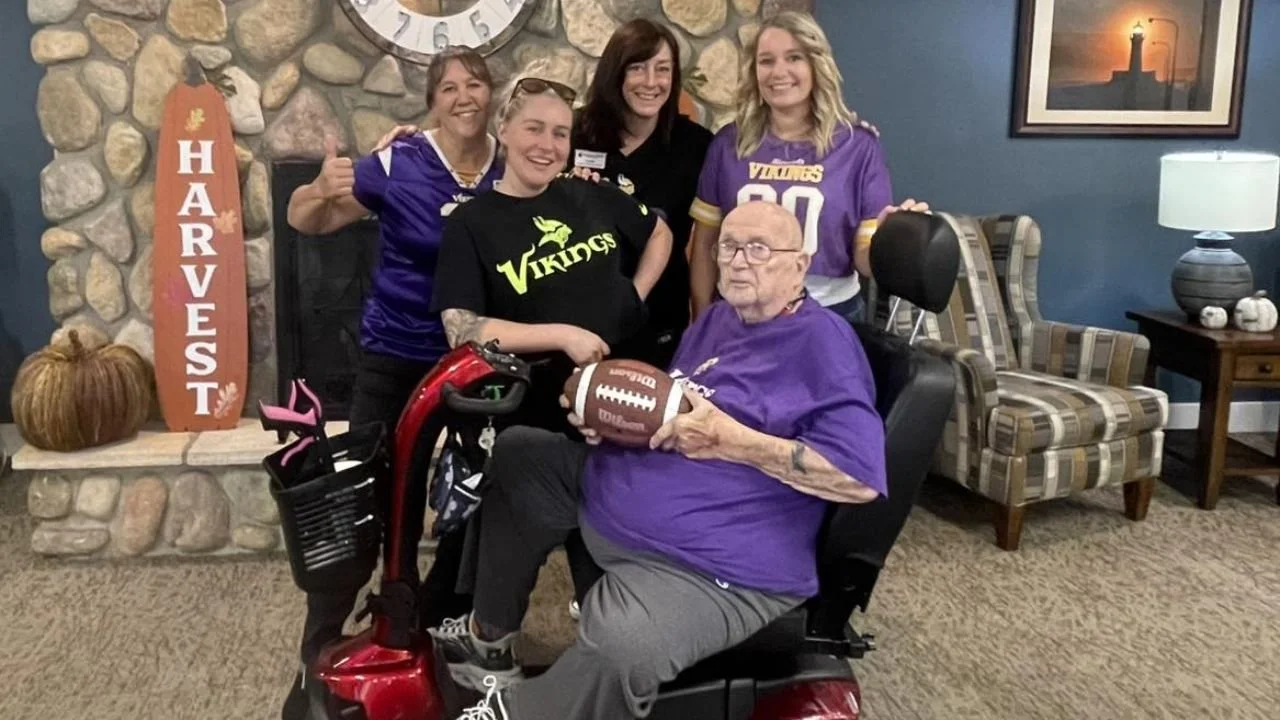
Watch how employees interact with current wheelchair residents. Do they kneel to eye level when talking? Do they push only when asked? Do they know how to spot skin pressure points or adjust footrests properly?
Ask how often staff receive specific mobility training; yearly is minimum, quarterly is excellent. The best places require every single employee (cooks, housekeepers, receptionists) to complete wheelchair sensitivity training. That’s when mobility assistance in assisted living stops being a department and becomes the culture.
Emergency Plans That Include Everyone
Ask for the fire evacuation plan for non-ambulatory residents. Good answers include evacuation chairs stored on every floor and staff drills practicing transfers. Windows should open wide enough for rescue if needed. Backup generators must power elevators; being stuck on the third floor during a blackout is terrifying. The community should have a written, practiced plan for every single wheelchair resident, not a generic “we’ll figure it out.”
Little Details That Add Up to Big Independence
Light switches at 42–48 inches. Peepholes and thermostats at seated height. Closets with pull-down rods. Showers with handheld and fixed showerheads plus fold-down teak benches rated for 500 pounds. Towel bars that double as grab bars (reinforced into studs). These aren’t extras; they’re the difference between needing help for everything and needing help for just a few things.
The Meal-Time Reality Check
Watch a real meal service, not a staged one. Can residents in wheelchairs reach the buffet or beverage station? Are trays delivered only when requested, not automatically? Do servers bring the check or dessert menu without making someone chase them? Small dignities matter more than gourmet food when forks and pride are on the line.
The Bottom Line Families Need to Hear
True mobility assistance in assisted living isn’t about having a ramp at the front door. It’s about designing every single day so the wheelchair fades into the background and the person shines in the foreground. When hallways flow, doors open themselves, friends sit eye-to-eye at dinner, and staff know how to help without stealing dignity; that’s when “assisted” stops feeling like a loss and starts feeling like a gain.
Walk the building with your eyes at seated height. How long does it take to get from the bedroom to the dining room? Watch faces of current residents in chairs; do they look content or trapped? That five-minute gut check tells more than any brochure ever could.
Because the right community doesn’t just accept wheelchairs. It builds life around them so beautifully that one day the resident looks up smiling and says, “You know, I actually feel more independent here than I did at home.”
And when that happens, the whole family finally exhales.
Ready to See What True Support Looks Like?
If finding a place that genuinely understands mobility needs feels overwhelming, a community that actually follows through can make everything easier. That’s where Keystone Bluffs stands out. The focus goes beyond basic features.
Staff members stay close when help is needed, the environment is designed so residents can move safely, and families get real peace of mind knowing their loved one is supported every day. If you want a place that treats accessibility as a promise rather than a checklist, exploring Keystone Bluffs can be the next step that finally feels right.