
20 Soft Foods for Elderly Adults That Still Taste Like Real Meals
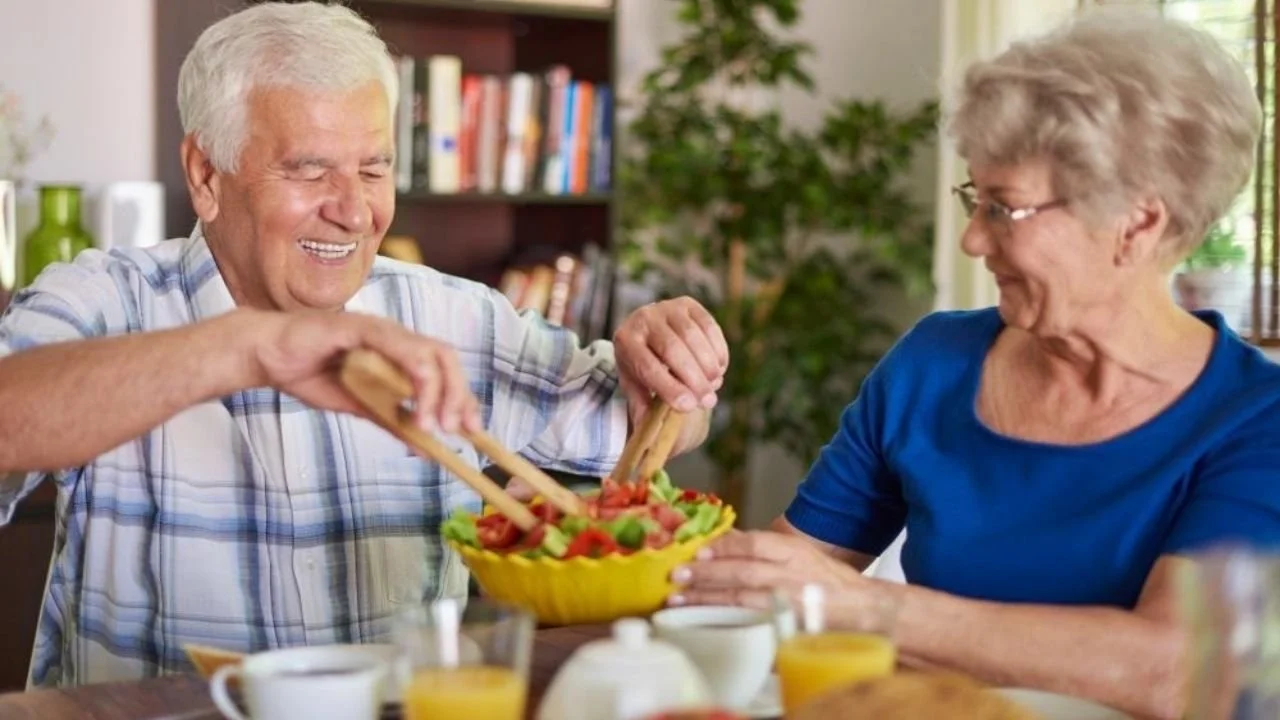
Soft foods for elderly adults don't have to taste like baby food. The best ones look and taste like a real meal. Think creamy risotto, flaky salmon, warm apple compote. Soft just means easy to chew and swallow. It doesn't mean bland.
Lots of older adults have trouble with chewing or swallowing. Bad teeth, dry mouth, stroke, or Parkinson's can all cause it. When eating hurts, people eat less. That leads to weight loss and weak muscles. Below are 20 soft foods for seniors that still feel like a proper meal.
Why Soft Foods Matter for Seniors
Chewing trouble sneaks up on families. One month, a parent eats fine. Next, they push meat around the plate and skip it. Skipping food isn't picky eating. It's a warning sign.
Older bodies need more protein, not less. Around 1 to 1.2 grams per kilo of body weight daily. Muscle loss speeds up after 60. So why push protein this hard? Falls. Weak muscles put seniors on the floor and in the hospital. Soft foods can hit those protein needs without the chewing. Eggs, fish, beans, dairy. All soft. All full of protein.
Water matters too. Soups, smoothies, and stewed fruit sneak in fluids when a glass of water gets ignored. That's why this list exists.
20 Soft Foods for Elderly Adults That Taste Like Real Meals
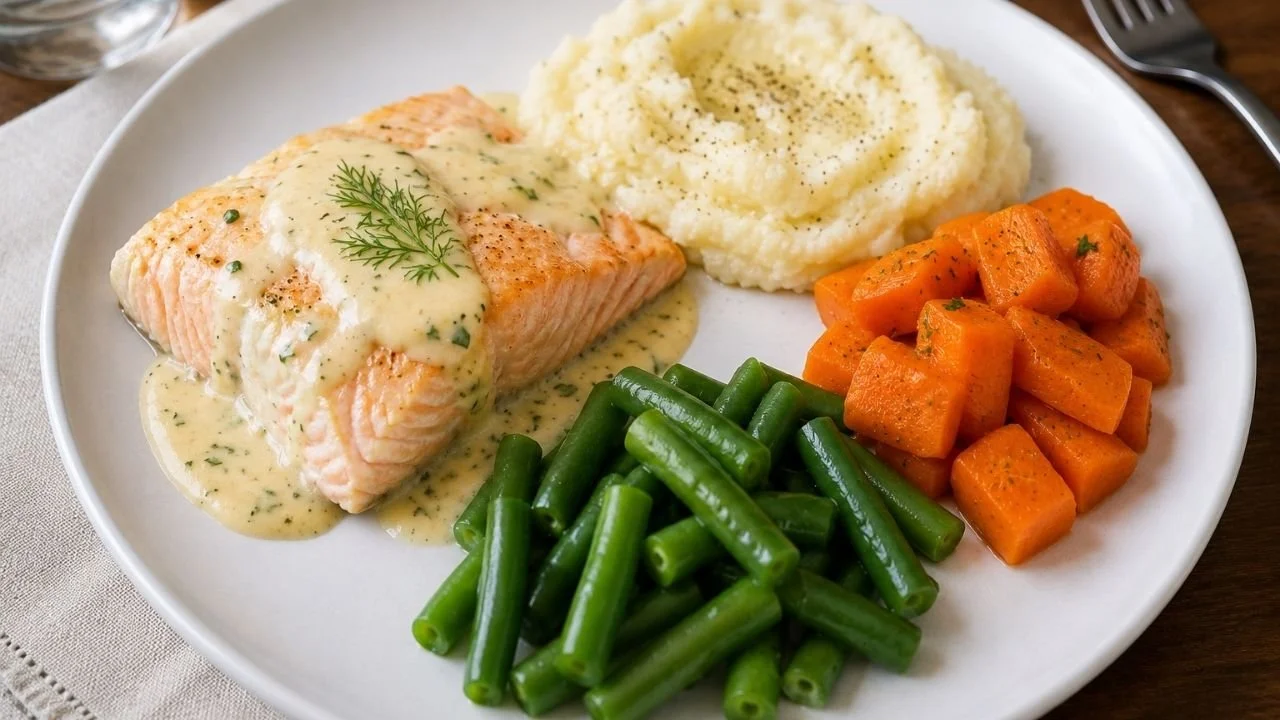
Good soft meals start with real cooking. Not a blender full of leftovers. Each food below is soft by nature or easy to soften. And each one carries flavor. Here they are, grouped by when you'd serve them.
Breakfast
Breakfast is the easiest meal to get soft and right. Warm, creamy, and gentle on sore gums. These five start the day with protein and comfort.
| Food | Why it works |
|---|---|
| Scrambled eggs | Soft, fluffy, loaded with protein. Add cheese for calories. |
| Oatmeal or porridge | Warm and filling. Stir in banana or nut butter for taste. |
| Greek yogurt | Thick, creamy, high in protein. Skip the crunchy granola. |
| Cottage cheese | Mild and soft. Pairs with soft peaches or a drizzle of honey. |
| Soft pancakes with applesauce | Sweet and moist. Applesauce beats dry syrup for swallowing. |
Soft Protein Mains for Lunch and Dinner
Protein keeps muscles from wasting away. It's the hardest thing to get soft and still tasty. Tough meat is out. These five bring the protein without the chew.
| Food | Why It Works |
|---|---|
| Flaky baked salmon | Falls apart with a fork. Rich in omega-3s. |
| Slow-cooked shredded chicken | Cook it in broth until it pulls apart. Serve with gravy. |
| Soft tofu | Blends into soups or curries. Soaks up any flavor. |
| Lentil or bean stew | Creamy, hearty, plant protein. Mash it more if needed. |
| Meatloaf with gravy | Ground meat is gentle. Gravy keeps every bite moist. |
Vegetables and Starches
Sides aren't an afterthought here. They carry half the flavor of the plate. Cook every vegetable until a fork slides through easily. These five never fight back.
| Food | Why It Works |
|---|---|
| Mashed potatoes | The classic. Whip in warm milk and butter for silk. |
| Mashed sweet potato | Sweeter, packed with vitamin A. Great with cinnamon. |
| Well-cooked carrots | Steam until soft, then mash or dice small. |
| Mashed cauliflower | Lighter than potato. Add garlic and a little cheese. |
| Creamy polenta or risotto | Soft grains, warm and savory. Feels like a real dinner. |
Soft Fruits
Raw apples and pears are a choking risk. Cooked fruit isn't. Soft fruit brings sweetness, fiber, and water to the table. These three go down easily.
| Food | Why it works |
|---|---|
| Ripe banana | Naturally soft. Mash it or slice thin. |
| Avocado | Buttery and full of good fats. Spread it or cube it. |
| Baked or stewed apple or pear | Warm, sweet, spoonable. A dessert that's actually good for them. |
Comfort Foods and Dessert
What about the food people actually look forward to? Comfort still counts. These last two feel like a treat and still do some good.
| Food | Why it works |
|---|---|
| Smooth soups (butternut, tomato) | Blended warm and easy to sip. Hydrating too. |
| Rice pudding or custard | Soft, sweet, and calorie-rich for low appetites. |
How to Keep Soft Foods From Tasting Like Baby Food
Most soft-food plates fail on flavor, not texture. That's the actual problem. Beige mush kills appetite fast, and a lost appetite is dangerous for a senior. A few simple moves fix it.
Season food the way you would for anyone. Herbs, garlic, a squeeze of lemon. Use gravy, sauce, or broth to add moisture and taste at once. Keep colors on the plate. Orange sweet potato, green peas, red tomato soup. The eye eats first.
Add sauce or gravy to every dry dish.
Season with herbs, not just salt
Keep colors bright, not washed out.
Serve components separately, not blended into one pile.
Table Safety for Soft Diets
Choking is the risk nobody likes to name. But it's real, and it's preventable. A few table rules cut the danger a lot. Go slow and stay watchful.
Sit the person upright for every meal, never lying back. Feed one small bite at a time. Skip the foods that fight soft diets. And watch the temperature, since a numb mouth burns easily.
Keep the person sitting upright during and after eating.
Cut everything small, even soft food.
Avoid nuts, seeds, popcorn, and stringy meat.
Serve food warm, not hot.
Stop and check if coughing starts.
If swallowing trouble keeps getting worse, call a doctor. A speech therapist or dietitian can test what's safe to eat. Don't guess with this one.
Where Good Care Makes the Difference
A soft diet is a lot of work at home. That's just the truth. Three fresh meals a day, each one soft, safe, and worth eating, take real time and skill. Assisted living communities plan around it. AtKeystone Bluffs in Duluth, meals are made to match each resident's chewing and swallowing needs, without losing flavor. Families stop wondering whether Mom ate. That peace of mind counts for a lot.
Frequently Asked Questions
What are the best soft foods for elderly adults?
Eggs, oatmeal, yogurt, flaky fish, mashed potatoes, soups, and soft fruit rank at the top. They're easy to chew, full of nutrients, and taste like real food. Aim for protein at every meal.
What foods should seniors with chewing problems avoid?
Skip nuts, seeds, popcorn, raw crunchy vegetables, tough or stringy meat, and dry bread. These are hard to chew and raise a choking risk. Anything that stays firm after cooking is a red flag.
How do you add flavor to soft foods without making them unhealthy?
Use herbs, garlic, lemon, and low-salt gravy or broth. Season it the way you would any meal. A little cheese or nut butter adds taste and calories at once.
When should you see a doctor about swallowing trouble?
See one if coughing, choking, or pain shows up at meals, or if weight starts dropping. A speech therapist can test swallowing and set a safe diet. Don't wait it out.