

The short answer: Moving a parent with dementia to assisted living is not giving up. It is choosing professional, round-the-clock support over a caregiving situation that has become unsafe or unsustainable at home. The guilt is real, but the decision is almost always rooted in love, not failure.
That sentence above might sting a little. Because if someone is reading this, they are probably already deep in the hardest stretch of caregiving they have ever faced. Maybe the wandering episodes have started. Maybe medication management has become a full-time job. Or maybe they are just exhausted in a way that sleep does not fix.
Here is the thing nobody tells families upfront: residential care is often a response to needs that are too complex or unsafe to manage at home. And 42% of caregivers report experiencing emotional strain or feelings of burnout at least weekly. That is not a sign of weakness. That is a sign the situation has outgrown what one person, or even one family, can handle.
So let us walk through how to move a parent with dementia to assisted living in a way that actually preserves dignity, minimizes confusion, and helps the whole family heal instead of fracture.
Recognizing the Signs That It Is Time
Before the "how," there is the "when." And this part trips families up because dementia does not follow a neat timeline. Some parents can live safely at home for years. Others need support far sooner than anyone expected.
Watch for these signals:
Repeated falls or near-misses that happen even with home modifications in place
Wandering or getting lost in once-familiar places, including their own neighborhood
Missed or doubled medications that create real health risks
Hygiene decline where bathing, dressing, or grooming becomes a daily battle
Caregiver health is crumbling with chronic exhaustion, weight changes, or depression setting in
Sundowning episodes where agitation spikes in the evening and overnight supervision becomes necessary
Aggression or paranoia that makes home care unsafe for both the parent and the caregiver
Increasing disorientation, where a loved one consistently struggles with navigating familiar environments or gets confused about time, place, or people, is one of the clearest signs.
If three or more of those apply, the conversation about assisted living is not premature. It is overdue.
Why Guilt Hits So Hard (and Why It Is Misleading)
Let us name the elephant in the room. Guilt over whether the right decision has been made about a parent's care is one of the most common emotions family caregivers face. Research from the University of Minnesota found that adult children experience a higher prevalence of guilt (37.5%) compared to spousal caregivers (26.7%) when placing a family member with dementia into residential care.
That guilt often comes from a promise. "I will never put you in a home." It sounded noble at the time. But it was made before the 3 a.m. wandering episodes. Before the stove got left on twice in one week. Before the caregiver's own doctor started saying things like "you cannot keep going like this."
Caregiver burnout is not just exhaustion. It is a real, documented condition that affects physical and emotional health in ways most families do not expect. Here is a closer look at how assisted living brings caregiver stress relief when the weight becomes too much to carry alone.
Here is a reframe that genuinely helps: this is not about putting someone somewhere. This is about increasing their level of care. A community with trained staff, structured activities, medication management, and 24/7 support is not a downgrade. For many families, it is a significant upgrade in safety and quality of life.
Step-by-Step: How to Move a Parent With Dementia to Assisted Living
1. Start the Conversation Early (When Possible)
If the conversation begins during the early stages of cognitive decline, the parent has more control over decision-making and feels included in the process. This matters. Nobody wants a decision this big made entirely behind their back.
Use simple, honest language. Skip euphemisms like "a little vacation." Instead, try something like: "We are looking at a place where you can get more help day to day, and we would love your input on what feels right."
When talking about the move, families should use the same language and stick to a consistent script to avoid confusion.
2. Research Communities Thoroughly
Not all assisted living communities handle dementia the same way. Look for:
| What to Evaluate | Why It Matters |
|---|---|
| Staff-to-resident ratio | Lower ratios mean more personalized attention |
| Memory care training | Staff should have specific dementia care credentials |
| Activity programming | Structured routines reduce anxiety and sundowning |
| Safety features | Secured entries, fall prevention, emergency systems |
| Levels of care offered | Can they adjust as the disease progresses? |
| Meal quality and flexibility | Nutrition and routine both matter for cognitive health |
Visit in person. Talk to current residents' families. And pay attention to how staff interact with each other. That tells you more about culture than any brochure ever could.
3. Prepare the New Space Before Move-In Day
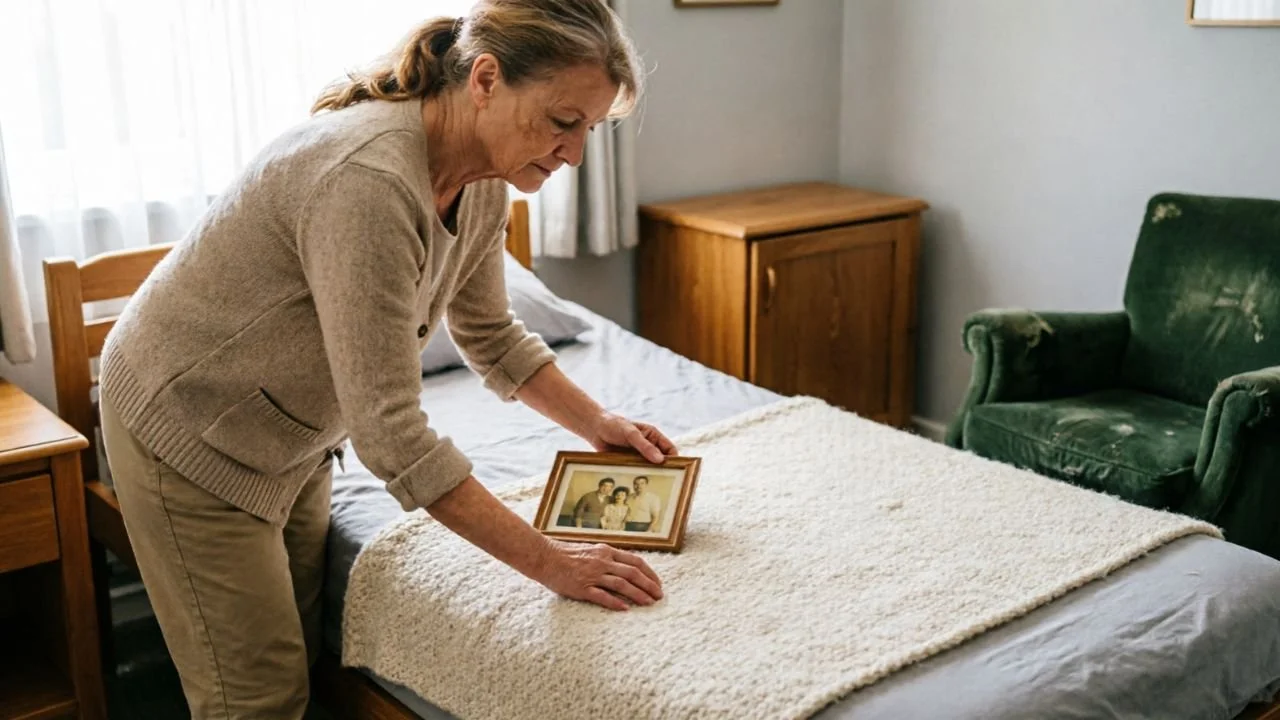
The memory care or assisted living community chosen will become the family member's new home, so it helps to create a homey feeling from the start by incorporating personal items and decorations into the space before the move.
Bring their favorite pillow. Hang family photos at eye level. Set out a familiar blanket on the bed. Now is not the time to buy new furnishings. The goal is for a loved one to have their familiar, well-loved items with them.
4. Time the Move Carefully
This sounds small but it is surprisingly important. If a parent is experiencing sundowning, which means increased agitation in the evenings, try to do the actual move during the afternoon before dark. Find their best window of the day and schedule around it.
5. Keep Move-In Day Calm and Simple
On moving day, pack essentials like clothes, medications, personal documents, and comfort items and keep them easily accessible. Arrive early to set things up before the parent gets there. Greet staff warmly so the parent sees friendly faces, not strangers.
And here is a tip that feels counterintuitive: do not over-explain everything. Short, reassuring phrases work better than long explanations. "This is your new room. Look, your photos are already up" beats a 10-minute speech about why this is happening.
6. Plan for the Adjustment Period
The first few weeks will be bumpy. That is normal, not a sign the decision was wrong.
Dementia relocation stress syndrome may show up as increased confusion, changes in sleep, withdrawal, or repeated questions. These reactions can be part of adjusting to a new environment.
One of the most common things families hear during this phase is their parent repeatedly asking to "go home." It can feel devastating, but it does not always mean what it sounds like. Understanding what stage of dementia triggers this response can help families respond with patience instead of panic.
Many residents need several weeks to begin settling into new routines, with some adjusting within a few weeks and others needing closer to six to eight weeks.
Visit frequently in the early weeks but also give the community's staff room to build their own relationship with the new resident. If every visit ends in tears, ask the team about adjusting visit timing or length. Some residents do better with shorter, more predictable visits.
What to Pack: A Quick Reference
Comfortable, easy-to-put-on clothing (think elastic waists and slip-on shoes)
Family photos in unbreakable frames
A favorite blanket or pillow
Familiar toiletries (same brands they have always used)
A small music player with their preferred playlists
Important medical documents and medication list
A few meaningful keepsakes, but not too many at once
How Family Members Can Support Each Other
This decision rarely lands evenly across siblings. One person usually carries most of the research and emotional weight, while others second-guess from a distance. Before the move happens, get the family aligned. Hold a meeting (even a video call works) where everyone shares concerns, hears the same information, and agrees on the plan.
If there is disagreement, bring in a third party. A geriatric care manager or social worker can offer objective perspective and take some of the family tension out of the equation.
After the Move: Staying Connected
Once a loved one is settled, staying in contact with staff and attending care plan meetings ensures concerns are addressed promptly.
Do not disappear after move-in week. Schedule regular visits. Bring small tokens of normalcy like a favorite treat or a new book of old photographs. And keep talking to the care team. They know things about a parent's daily life that family members simply cannot see during a one-hour visit.
FAQs
Q: When should a parent with dementia be moved to assisted living?
The right time is when safety at home can no longer be maintained, even with additional support. Warning signs include repeated falls, wandering, medication errors, caregiver burnout, and escalating behavioral changes like aggression or severe sundowning.
Q: How do you talk to a parent with dementia about moving to assisted living?
Use clear, simple, and consistent language. If the parent is in early stages, involve them in touring communities and choosing preferences. If they are in mid-to-late stages, focus on short reassuring phrases rather than detailed explanations. The whole family should stick to the same script to prevent confusion.
Q: How long does it take for a parent with dementia to adjust to assisted living?
Most residents begin settling into new routines within a few weeks, though some may need six to eight weeks. Temporary sleep changes, withdrawal, or repeated questions are common during the adjustment period and typically improve with time, consistency, and familiar belongings.
Q: How do families cope with the guilt of moving a parent to assisted living?
Guilt is extremely common, especially among adult children. Reframing the move as "increasing care" rather than "giving up" helps. Staying involved after move-in, attending care plan meetings, and visiting regularly all reinforce that this was an act of love, not abandonment. Speaking with a counselor or joining a caregiver support group can also make a real difference.
Figuring out how to move a parent with dementia to assisted living is one of the hardest things a family will ever navigate. But it does not have to feel like a betrayal. With the right timing, the right community, and a whole lot of grace for everyone involved, this transition can actually bring relief, safety, and a better quality of life for the person who matters most.
If a family in the Duluth, Minnesota area is exploring assisted living options for a parent with dementia, Keystone Bluffs offers 80 single-floor apartments, 7 levels of personalized care, and 24/7 trained staff. Schedule a tour to see the community in person and ask every question on the list.