
How Dehydration in Seniors Affects Memory, Mobility, and Overall Health
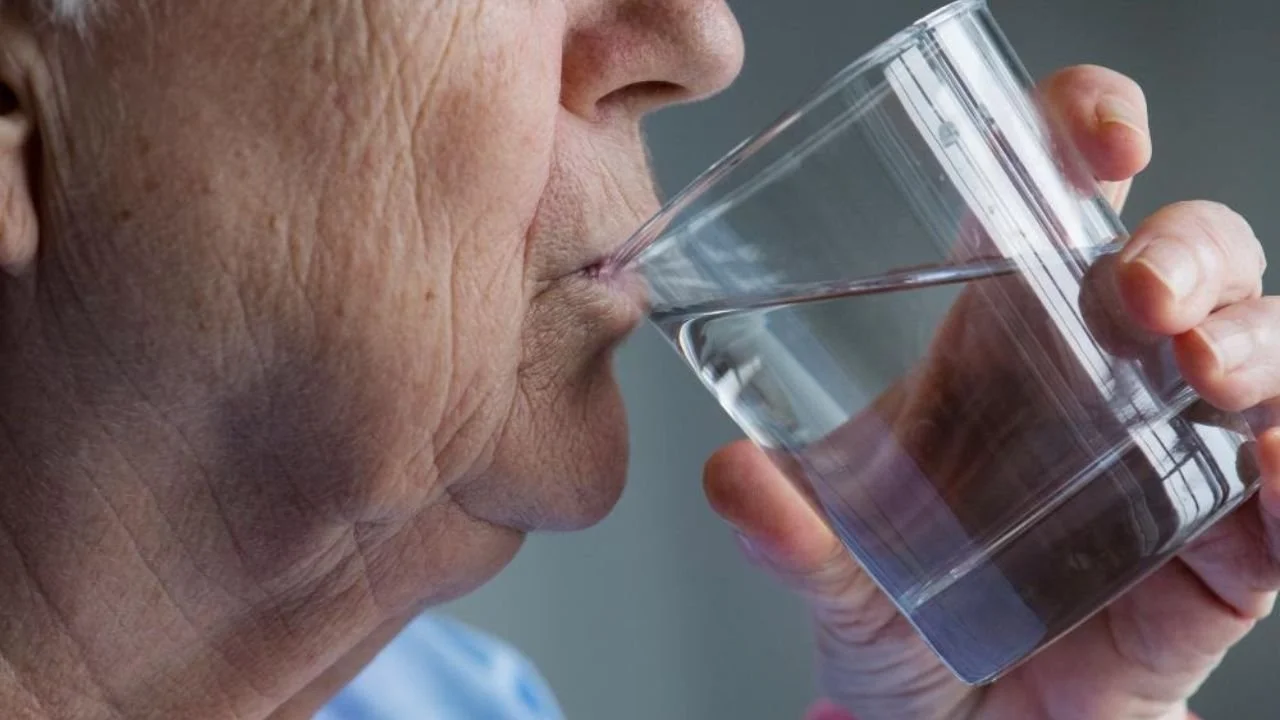
Most people think of dehydration as a summer problem. Hot day, too much sun, not enough water. And sure, that's part of it. But dehydration in seniors is something else entirely. It's quieter. More persistent. And the damage it causes goes way deeper than a dry mouth or a mild headache.
Here's the thing: older adults are at particular risk of dehydration due to age-related decreases in sensitivity to thirst, decreases in total body water that make them more susceptible with smaller changes in fluid intake, and changes in kidney function that make it harder to conserve water. So the body is already behind before the day even starts.
An estimated 40% of older adults are chronically under-hydrated, which is a staggering number when you stop and really think about it. That's nearly half of all seniors walking around in a state that's quietly affecting how they think, how they move, and how their organs function.
Why Seniors Stop Drinking Enough Water
Before getting into the effects, it's worth understanding why this happens in the first place. Because it's not laziness or negligence. The reasons are genuinely physiological.
Age-related physiological factors contributing to dehydration include blunted thirst sensation and reduced urinary concentrating ability of the kidney in older people. Many older adults often forget to drink sufficient water due to memory problems caused by normal aging or diseased states such as dementia and delirium. Impaired physical abilities, reduced mobility, and inability to eat and drink also increase elderly people's risk of dehydration.
This is also whymedication management for seniors plays a bigger role in hydration than most families expect. Diuretics, blood pressure medications, and certain antidepressants all affect fluid balance in ways that need to be actively tracked alongside daily fluid intake.
Plus, some seniors deliberately restrict their fluid intake because they're worried about incontinence. Fear of incontinence is a real situational and psychological factor that affects how much fluid older adults actually consume. So they drink less. And then the problems stack up.
What Dehydration Does to the Senior Brain
Cognitive effects are probably the most alarming. And also the most misunderstood.
Dehydration is a contributing factor for delirium, a neurobehavioral syndrome that has been demonstrated to be a strong risk factor for dementia.
That's not a small connection. When an older adult starts showing confusion, disorientation, or sudden changes in behavior, dehydration is sometimes the actual cause. But it often gets misread as early dementia or just "having a bad day."
The brain is especially susceptible to the effects of dehydration, and confusion is one of the most common symptoms in older adults. It may be mistaken for the effects of dementia, even in seniors who do not have any cognitive impairment.
This is a real problem. A treatable, reversible problem that sometimes gets labeled as something much more serious.
Two areas of cognitive research have emerged in older adults: one focusing on changes in neurocognition and the other on the relationship between dehydration and dementia. Chronic hypohydration may contribute significantly to cognitive decline, and hydration status remains largely overlooked despite growing physiological and epidemiological evidence.
The signs showing up cognitively tend to include:
Difficulty concentrating or following conversations
Short-term memory lapses that feel sudden or out of character
Confusion about time, location, or recent events
Mood changes like irritability or unusual anxiety
Slower reaction times and reduced mental sharpness
The Mobility and Falls Connection
This is where dehydration gets genuinely dangerous. Falls are already the leading cause of injury among older adults. And dehydration adds fuel to that fire in a very direct way.
Dehydration can lead to impaired brain perfusion, with subsequent dizziness and orthostatic hypotension, which has been associated with falls. Decreased elasticity of aging tissues leads to decreased venous blood return when arising and lowers diastolic blood pressure.
Think about what happens when a senior stands up too quickly and feels lightheaded. That dizzy moment can cause a fall. That fall can cause a hip fracture. And a hip fracture at 80 is a very serious, sometimes life-altering event.
Fluid and electrolyte imbalances caused by dehydration can produce muscle cramps, weakness, and an increased risk of falls, especially in older adults.
So it's not just about blood pressure. Muscle weakness is a separate and equally serious problem. Weak legs on a person who is already dealing with age-related balance issues create a genuinely unstable situation. And it happens without most people ever linking it back to fluid intake.
Staying physically active through routines likesenior stretching exercises can help strengthen the muscles that dehydration quietly weakens, making regular movement an important part of any fall prevention strategy.
Organ Damage
Kidneys take the hardest hit over time. In older adults, dehydration can raise the risk of constipation, electrolyte imbalances, kidney problems, and falls.
Reduced renal perfusion can lead to acute kidney injury. Prolonged dehydration increases the risk of nephrolithiasis (kidney stones) and may contribute to the development of chronic kidney disease.
Kidneys need water to filter waste. Without enough of it, they start to struggle. Over months and years, chronic underhydration contributes to kidney function decline, which then affects every other system in the body.
But the damage doesn't stop there. Dehydration can adversely affect metabolism, thermoregulation, digestion, and neurological, kidney, and heart function.
And then there are UTIs. Dehydration may increase the risk of urinary tract infections, which can lead to confusion, falls, acute kidney injury, and hospital admission. UTIs in seniors are particularly insidious because they often don't present the way they do in younger people. Instead of the burning sensation most people associate with a UTI, seniors frequently show sudden behavioral changes, confusion, or extreme fatigue. And by the time anyone figures out what's happening, the infection has often progressed.
A Quick Look at the Risks by System
Body System: Brain
Effect of Chronic Dehydration: Confusion, memory lapses, delirium, dementia risk
Body System: Musculoskeletal
Effect of Chronic Dehydration: Muscle weakness, cramps, increased fall risk
Body System: Kidneys
Effect of Chronic Dehydration: Kidney stones, UTIs, chronic kidney disease
Body System: Heart
Effect of Chronic Dehydration: Low blood pressure, orthostatic hypotension
Body System: Digestive
Effect of Chronic Dehydration: Constipation, impaired nutrient absorption
Body System: Immune
Effect of Chronic Dehydration: Greater vulnerability to infections
The Hospitalization Spiral
Novel studies reveal that if not prevented or treated promptly, dehydration results in longer intensive care unit stays, higher hospital readmission rates, and placement in long-term facilities.
That hospitalization cycle is worth understanding. A senior becomes dehydrated. They fall or develop a UTI. They go to the hospital. The hospital environment disrupts their routine. They may come home deconditioned, weaker, or more confused than before. And now the risk of the whole thing happening again is even higher.
Lower hydration levels are associated with incidences of acute confusion, constipation, urinary tract infections, exhaustion, falls, and delayed wound healing. Dehydration has also been correlated to longer hospital stays, with the annual cost estimate for a primary diagnosis of dehydration being over$1.14 billion. That last number is staggering. Because this is, in most cases, a preventable condition.
Early Warning Signs Families Should Know
Most dehydration in seniors doesn't announce itself dramatically. It creeps in. Families and caregivers who know what to look for can catch it early, before it turns into a fall or a hospital visit.
Watch for these signs:
Dark yellow or amber-colored urine
Dry lips, mouth, or skin
Unusual fatigue or sluggishness
Sudden confusion or disorientation
Dizziness when standing up
Headaches without any obvious cause
Less frequent urination than usual
Sunken eyes or loss of skin elasticity
The confusing part is that older adults often forget to drink sufficient water due to memory problems caused by normal aging. So in many cases, they're not aware it's happening. That's why regular, structured reminders and consistent access to fluids matter so much in a caregiving environment.
How Proper Hydration Gets Managed in Assisted Living

This is exactly where an environment like assisted living makes a meaningful difference. It's not just about having water available. It's about structured routines, caregiver awareness, and consistent monitoring throughout the day.
Facilities with attentive care teams track fluid intake, notice behavioral changes early, offer fluids at regular intervals during meals and activities, and can identify warning signs before they escalate. Structuredsenior nutrition programs take this further by building fluid-rich foods like soups, fruits, and dairy into daily meal plans, so hydration isn't left entirely to drink reminders alone.
For families watching an aging parent struggle to manage their own daily health at home, that kind of structured support is genuinely reassuring.
Hydration is one of those things that sounds simple but requires consistent attention over the course of every single day. That kind of attention is hard to maintain alone.
FAQs
Q: How much water does a senior typically need each day?
Most older adults need between 6 and 8 cups (roughly 1.5 to 2 liters) of fluid daily. But this varies based on medications, health conditions, activity level, and climate. Fluids from foods like soup, fruit, and yogurt also count toward daily intake, which is a helpful strategy for seniors who struggle to drink enough plain water.
Q: Can dehydration be mistaken for dementia in seniors?
Yes, and this happens more often than most people realize. Sudden confusion, memory lapses, and behavioral changes caused by dehydration can closely mimic early dementia symptoms. The key difference is that dehydration-related confusion is typically sudden in onset and often improves once fluids are restored. Any sudden change in a senior's cognitive state warrants prompt medical evaluation.
Q: Which seniors are at the highest risk for dehydration?
Seniors taking diuretics, those with diabetes, individuals with dementia or mobility limitations, and residents of care facilities who depend on others for fluid access tend to face the highest risk. Those who have a fear of incontinence and restrict their own fluid intake are also particularly vulnerable.
Q: What types of fluids are best for hydration in older adults?
Water is always the first choice. But herbal teas, broths, milk, and water-rich fruits and vegetables like cucumber, watermelon, and oranges are all excellent additions. Sports drinks with electrolytes can be helpful in specific situations, but should not replace water as the daily staple. Beverages high in caffeine or alcohol can actually contribute to fluid loss, so moderation matters.