
Why Are Senior Stretching Exercises Important for Maintaining Mobility in Assisted Living?
There's this woman, Mrs. Chen, who moved into an assisted living facility about two years back. She was doing fine; walking around, getting to meals on her own, the whole deal. Then, somewhere around month seven or eight, something shifted. Started asking for help getting out of chairs.
She needed someone to grab things off the higher shelves. Nothing happened, really. No accident or injury. Just... gradual tightening.
That's the thing about losing flexibility as we age. It sneaks up quietly. And once it starts, it picks up speed fast.
But here's what gets overlooked constantly: most of this can be slowed down or even reversed. Senior stretching exercises aren't some miracle cure, but they're probably the closest thing we've got to keeping older adults mobile in assisted living settings. The problem? They get treated like an afterthought instead of the priority they should be.
What Happens to Muscles and Joints Over Time

Starting around age 30, everyone begins losing muscle mass. It's gradual at first - maybe 3 to 5 percent each decade. Not enough to really notice. But after 60? The rate speeds up considerably.
The muscles themselves aren't the only issue, though. Tendons get stiffer. Ligaments lose their stretch. That fluid inside joints that keeps everything moving smoothly? There's less of it as years go by. Even the collagen in muscles becomes more rigid.
Now add assisted living into the mix. Even great communities can't replicate how much people moved when they lived independently. No yard work. No stairs. Shorter distances between rooms. Less cooking and cleaning. All those little movements throughout the day just... disappear.
The combination creates problems:
Way less daily activity than before
Health issues that already limit movement
Medications that affect balance or muscle tone
Legitimate fear of falling that keeps people seated.
Pain that makes movement feel risky.
Smaller spaces requiring minimal walking
Everything compounds. Muscles tighten faster when they're not being used. Range of motion shrinks more quickly. Six months can bring shocking changes.
The Domino Effect Nobody Expects
When flexibility goes, other things follow behind it. Not immediately, but steadily.
Balance takes a hit first. Ankles need to flex properly when walking. If they can't, the entire gait pattern shifts. The body compensates in ways that make someone unsteady on their feet. Falls don't just happen randomly; they're usually the result of multiple small issues piling up over time.
Then there's the pain factor. Tight muscles constantly pull on joints. That creates pressure and irritation in the surrounding tissue. Plenty of residents end up taking pain medication daily when consistent stretching might give them significant relief. Not a cure, but enough improvement to matter.
Circulation gets worse, too. Blood flow already decreases with age and sitting around more. Stretching creates this pumping effect in muscles that helps move blood through vessels. Better circulation means more oxygen reaching tissues, less swelling in feet and ankles, and faster healing when injuries do happen.
For someone dealing with diabetes or heart problems, that improved blood flow isn't just nice to have. It's medically important.
Why Assisted Living Actually Works Well for This
Might sound backwards, but assisted living facilities have built-in advantages for stretching programs that people living alone don't get.
Staff can run group sessions. Or supervise individual routines. Having someone there to check forms prevents injuries and provides accountability. Way more likely to show up when others expect you to be there.
The schedule helps too. Morning stretches before breakfast become routine. Afternoon sessions break up long sitting periods. Some places do gentle evening stretching that actually helps people sleep better.
Group classes turn the whole thing social. Someone might not care about exercising but shows up to see friends. The stretching happens almost by accident. Whatever gets people moving works.
At Keystone Bluffs, we incorporate gentle stretching and mobility exercises into our daily wellness activities to help residents stay flexible and independent. Learn more about our structured programs at our assisted living services.
What Separates Good Programs from Mediocre Ones
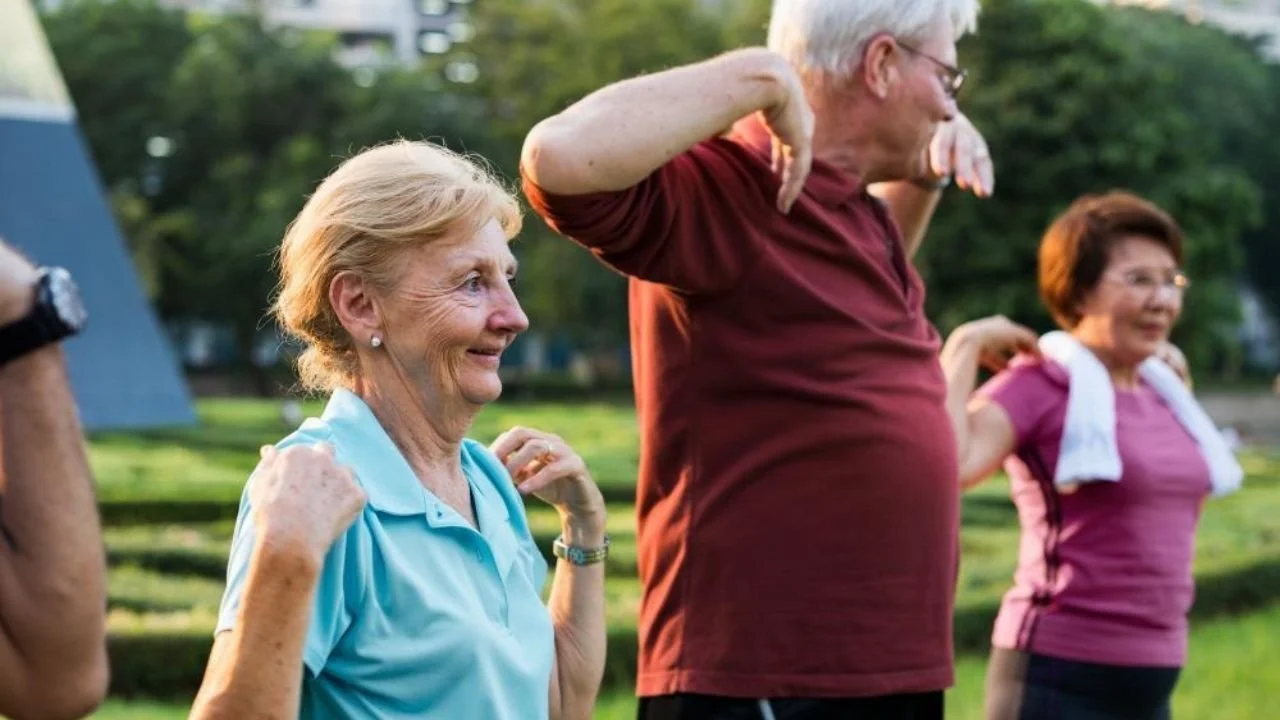
Not all stretching programs work the same, especially for older adults. There are specific things that make the difference between effective routines and wasted time.
Going slow matters more than going far. Bouncing creates tiny tears in muscle tissue. That's counterproductive. Each stretch needs to be controlled and held steady for maybe 20 or 30 seconds. This gives muscles actual time to relax instead of fighting the stretch.
Some areas deserve more attention than others:
Hip flexors and hamstrings - these determine whether walking feels comfortable and getting in and out of chairs stays manageable
Shoulders and chest - basically, all arm movements during the day depend on these
Calves and ankles - balance relies heavily on ankle mobility
Lower back - affects nearly everything else.
Neck and upper back - turning to look around, checking for obstacles
Chair options aren't optional. A lot of seniors can't get down on the floor mats safely. Others have balance problems that make standing stretches dangerous. Chair-based senior stretching exercises solve both issues while still hitting every major muscle group.
This isn't a compromise. Chair stretching works incredibly well. It just removes unnecessary barriers.
Stretching Approach Comparison
Floor-based
Benefits
Full range of motion
Limitations
Many seniors can't access floor safely
Standing
Benefits
Functional movement patterns
Limitations
Balance issues create fall risk
Chair-based
Benefits
Safe, accessible, effective
Limitations
None for most residents
Keystone Bluffs prioritizes safe, chair-based stretching and movement sessions tailored to residents' abilities. See how our wellness and activity offerings support long-term mobility at our assisted living services page.
The Roadblocks That Come Up
Even when everyone agrees that stretching matters, actually making it happen runs into problems. Being aware of these helps address them before they derail the whole program.
Pain scares people off faster than anything. Residents worry it'll hurt or damage something. Sometimes that comes from arthritis or old injuries. Sometimes it's just not understanding what stretching should feel like.
The fix? Education and adjustments. Stretching should create a pulling feeling, not sharp pain. If something hurts, the position gets modified, or the range gets reduced. Most people just need clear permission to work within their comfort zone.
Cognitive issues present different challenges. Someone with dementia might not remember sequences or follow verbal directions well. Visual demonstrations help here. Simple, consistent patterns help. Music provides structure that words sometimes can't.
Plenty of people with memory problems can still follow along with movement patterns even when their verbal processing struggles.
Motivation is always tricky. Starting any new habit takes energy. For someone who recently moved into assisted living and already adapted to massive life changes, adding another daily thing can feel like too much.
Best solution? Link it to stuff already happening. Before breakfast. After reading time. During a favorite TV program. These natural triggers build habits faster than willpower alone.
Some facilities track participation with simple charts. Gold stars still work at 85, turns out. Celebrating milestones matters too; 30 days of consistent stretching, 60 days, whatever.
Getting Expert Input Right
Basic senior stretching exercises are pretty safe for most people. But professional guidance makes a real difference in results. Physical therapists can spot individual limitations and issues that trained activity staff might miss.
Someone recovering from hip replacement needs totally different modifications than someone with osteoporosis. A resident with severe arthritis requires adjustments that wouldn't occur to most people.
Regular check-ins keep programs evolving as residents improve or their needs shift. What worked three months ago might need tweaking now. That ongoing adjustment is where real progress happens.
Our team at Keystone Bluffs collaborates with physical therapists and activity coordinators to customize stretching routines that evolve with each resident’s needs. Schedule a tour to understand our comprehensive care approach.
The Results That Show Up Over Time
Benefits from consistent stretching don't appear overnight. Stretching for a week won't suddenly restore the flexibility someone lost over the years. This is long-term work.
But over months? Residents who stick with routines maintain independence noticeably longer. They need less hands-on help from staff. Falls happen less frequently. Quality of life improves in ways both obvious and subtle.
Those outcomes ripple outward, too. Families feel less worried about safety. Staff can focus more on activities and enrichment rather than just basic care. The whole community benefits when residents stay mobile and engaged.
What This Really Comes Down To
Mobility equals freedom. Being able to move independently means maintaining dignity and making your own choices about when to go somewhere, what to do, and how to spend time.
Losing that freedom usually happens gradually. First, there's help needed with one thing. Then another. Before long, dependence on others for basic daily tasks becomes the new normal.
That progression isn't inevitable, though. Regular, appropriate senior stretching exercises can slow it down significantly. Sometimes, even reverse parts of it. Not talking about stopping aging or pretending it doesn't happen. Talking about preserving as much function and independence as possible for as long as possible.
And that's absolutely worth the effort. Every single time.
The residents who maintain stretching routines, even simple ones, even just 10-15 minutes daily; they're the ones still walking to meals independently a year later. Still dressing themselves. Still moving through their space with confidence instead of fear.
That difference between needing help with everything versus managing most things independently? That's not small. That's everything.
If you're looking for an assisted living community where mobility and independence are supported through daily stretching, wellness activities, and professional care, we invite you to visit Keystone Bluffs and see our programs in action. Schedule a tour to know more.
Frequently Asked Questions
My mom has arthritis in her knees and hips. Won't stretching make it worse?
Actually, the opposite usually happens. Arthritis creates stiffness, and that stiffness makes the arthritis feel worse - it's this nasty cycle. Gentle stretching breaks that cycle. The keyword here is "gentle." Nobody's asking your mom to do yoga poses or stretch until it hurts. We're talking about slow, controlled movements that ease tension without aggravating joints. Most people with arthritis who stick with gentle senior stretching exercises report less pain after a few weeks, not more. But yeah, she should definitely check with her doctor first, especially if she's got severe arthritis. They might want a physical therapist to set up a modified routine that works around her specific issues.
How long does it actually take before you see any difference?
Depends on where someone's starting from, honestly. If your dad's been pretty sedentary for a year or two, he might notice he can reach a bit higher or bend a bit easier within two or three weeks. Nothing dramatic, but noticeable. The bigger changes - like being able to put on socks without help again or getting out of chairs more easily- usually take a couple of months of consistent work. The thing is, "consistent" doesn't mean hours every day. We're talking 10 to 15 minutes daily, maybe 20 if someone's really into it. The people who see the best results are the ones who make it part of their daily routine instead of doing marathon sessions twice a week.
What if the assisted living facility doesn't offer stretching classes?
This happens more than it should. Not every facility runs organized programs. You've got a few options here. First, talk to the activities director and ask if they'd consider adding it; sometimes they just haven't thought about it or didn't know residents wanted it. The second option is bringing in a physical therapist for an initial assessment and routine setup. Insurance sometimes covers this. Then your family member can do the routine on their own or with staff supervision. Third option? Some families find YouTube videos of chair-based senior stretching exercises and do them together during visits. Turns it into quality time while also being productive. There are also printed guides with pictures that can be posted in someone's room as reminders.
My dad says stretching is boring and refuses to do it. Any suggestions?
Yeah, this is super common. Nobody gets excited about stretching, especially if they have never done it before. A few things that sometimes work: pair it with something he already enjoys. If he watches the news every morning, stretch during commercials. If he likes music, find songs from his era and stretch to those. Some facilities have had success making it competitive - who can hold a stretch the longest, who shows up most consistently. Men, especially, sometimes respond better to that angle. Also, maybe don't call it stretching? Call it mobility work or flexibility training or whatever sounds less boring to him. And honestly? Sometimes people just need to feel the benefits before they buy in. If you can get him to try it for two weeks - just two weeks - he might notice enough improvement in how he feels that he keeps going on his own.
Is it ever too late to start? My grandmother is 89 and hasn't exercised in years.
Never too late. Seriously. The body responds to stretching at any age. Will your grandmother suddenly become super flexible? Probably not. But can she regain enough mobility to make daily tasks easier? Absolutely. There's this woman at a facility in Phoenix who started chair stretching at 91. Within six weeks, she could dress herself again without needing help with buttons and zippers. That's huge for independence and dignity. The important thing at 89 is starting really slowly with professional guidance. A physical therapist can assess what's safe and create a routine that works for her specific situation. Even five minutes a day makes a difference when someone's starting from very limited mobility. The goal isn't athletic performance; it's maintaining or improving whatever function she's got left so daily life feels more manageable.