
11 Assisted Living Benefits Every Senior Should Know Before Making a Decision
The phone call came at 11 PM. Mom had fallen again. Nothing broken this time, but she'd been on the floor for three hours before a neighbor heard her calling for help. That's usually how these conversations start, isn't it? Not with careful planning but with a moment that makes everything suddenly real.
Making decisions about assisted living feels overwhelming. There's guilt, fear, uncertainty about money, and honestly, a whole lot of confusion about what you're actually getting for that monthly fee. Most families go into this knowing almost nothing about how modern communities actually work.
So let's get specific. Here are eleven concrete assisted living benefits that change lives in ways you probably haven't considered yet.
#1 Round-the-Clock Professional Care That Actually Matters
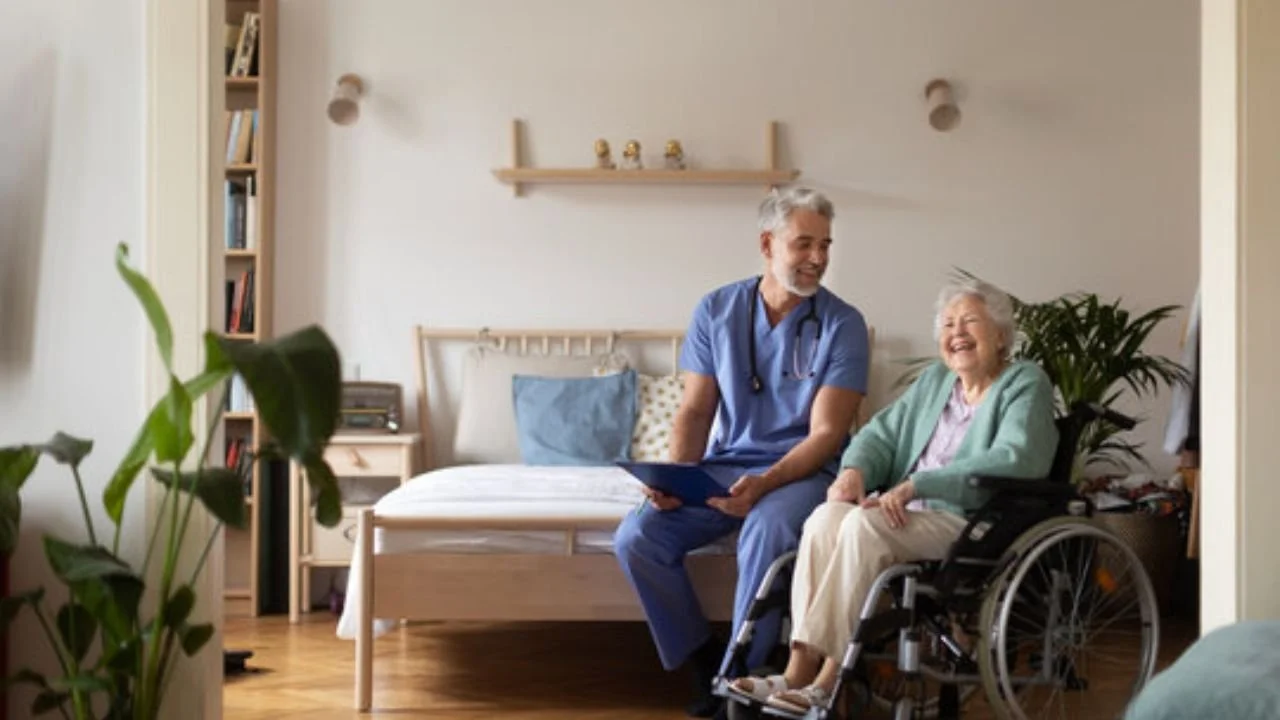
Look, this isn't about having nurses hovering over every moment. It's about trained professionals who know the difference between normal aging and something that needs attention right now.
When Mrs. Patterson's blood pressure spiked at 3 AM, staff noticed during routine checks and had her evaluated before it became a stroke. When Mr. Chen's confusion seemed worse than usual one morning, they caught a urinary tract infection before it turned into sepsis. These aren't dramatic rescues you see on TV. They're quiet interventions that happen because someone's paying attention.
What this actually includes:
Medication management by trained staff who know which pills interact badly
Regular health monitoring that catches problems early
Coordination with doctors, specialists, and pharmacies
Immediate response when something goes wrong at any hour
Documentation that keeps everyone on the same page
For families scattered across different states, this matters enormously. You're not texting your sister at midnight, wondering if Dad took his insulin. Someone's handling it.
This level of attentive, 24/7 care is a cornerstone of life at Keystone Bluffs. Learn more about our professional care services.
#2 Real Social Connection (Not Forced Activities)
When you live alone at 80, sometimes days pass without speaking to another human being. The mail carrier becomes the highlight of your week.
Good assisted living changes this completely. But we're not talking about mandatory bingo or arts and crafts that nobody actually wants to do. We're talking about having coffee with someone who gets your jokes. Finding the guy who also loves westerns and arguing about whether John Wayne or Clint Eastwood was better. Book clubs. Poker games. People who remember what the world was like before computers.
The mental shift happens fast. Residents start caring about their appearance again because they're seeing people. They have stories to share at dinner. They make plans for tomorrow instead of just existing through today.
#3 Actual Food That Tastes Good
Cooking for one person gets depressing. Grocery shopping when you can barely walk becomes nearly impossible. Most seniors living alone end up eating frozen dinners, toast, or just skipping meals entirely. Nobody talks about this, but malnutrition among isolated seniors is shockingly common.
Quality communities employ real chefs. Not cafeteria workers who just heat up institutional food, but people who understand that an 85-year-old still wants their food to have flavor. Menus rotate seasonally. Dietary needs get accommodated without making anyone feel like they're eating different food from everyone else.
The nutritional impact shows up quickly:
Better energy levels throughout the day
Improved management of diabetes and heart conditions
Stronger immune systems and faster recovery from illness
Clearer thinking and better mood stability
Actual enjoyment of meals instead of viewing them as chores
Plus, there's something deeply human about eating with other people. Meals become social occasions again instead of lonely necessities.
#4 Freedom From Home Maintenance Hell
Think about everything involved in keeping a house running. The furnace that needs servicing. Gutters that clog. Toilets that leak. Lightbulbs that burn out in fixtures you can't safely reach anymore. For seniors, these aren't minor inconveniences. They're expensive contractor calls or dangerous DIY attempts that end badly.
All of that disappears. Completely. The leaky faucet? Someone else's problem. Snow removal? Handled. Broken air conditioning in July? Fixed within hours by people who know what they're doing.
This returns something precious: time and mental energy. Instead of worrying about the lawn or that weird noise the refrigerator started making, people can actually enjoy their days.
#5 Transportation That Restores Independence
Giving up car keys can feel like losing yourself. For many seniors, it represents the end of independence. Doctor appointments get skipped. Friendships fade because visiting becomes near impossible. The world shrinks to four walls.
Transportation services change everything. Scheduled medical appointments with door-to-door service. Shopping trips to actual stores where you pick what you want. Outings to restaurants, theaters, museums, and religious services. The ability to maintain relationships outside the community.
This isn't some shuttle bus you have to book three weeks in advance. Good communities understand that mobility equals dignity and build their transportation around actual human needs.
#6 Safety Without the Institutional Feel
Falls are the leading cause of injury for older adults. Home accidents happen constantly when people live alone with mobility challenges. But the fear of falling often causes more damage than actual falls because people stop moving, which weakens muscles and makes falls even more likely.
Modern assisted living is designed around senior safety without looking like a hospital:
Non-slip flooring that doesn't look institutional
Grab bars positioned where they're actually needed
Emergency call buttons in every room and bathroom
Hallways wide enough for walkers and wheelchairs
Lighting that prevents shadows and dark corners
When emergencies do happen, response comes in minutes. That speed often determines whether someone has a minor bruise or a broken hip requiring surgery.
#7 Care That Adjusts When Needs Change
Here's what nobody tells you: healthcare rarely stays static. Someone who's mostly independent today might need substantially more help next year. The beautiful thing about quality assisted living? Care levels adjust without forcing someone into another disruptive move.
Need more help bathing? Services increase. Memory starting to slip? Memory care support gets added. Physical therapy after surgery? Coordinated on-site.
This flexibility matters tremendously. New environments cause confusion and stress, especially for people with cognitive decline. Being able to age in place, with familiar faces and surroundings, even as care needs grow, provides stability during a time when everything else feels uncertain.
Keystone Bluffs is designed for this seamless progression of care. Discover our continuum of care options that grow with you.
#8 Programs That Actually Engage People
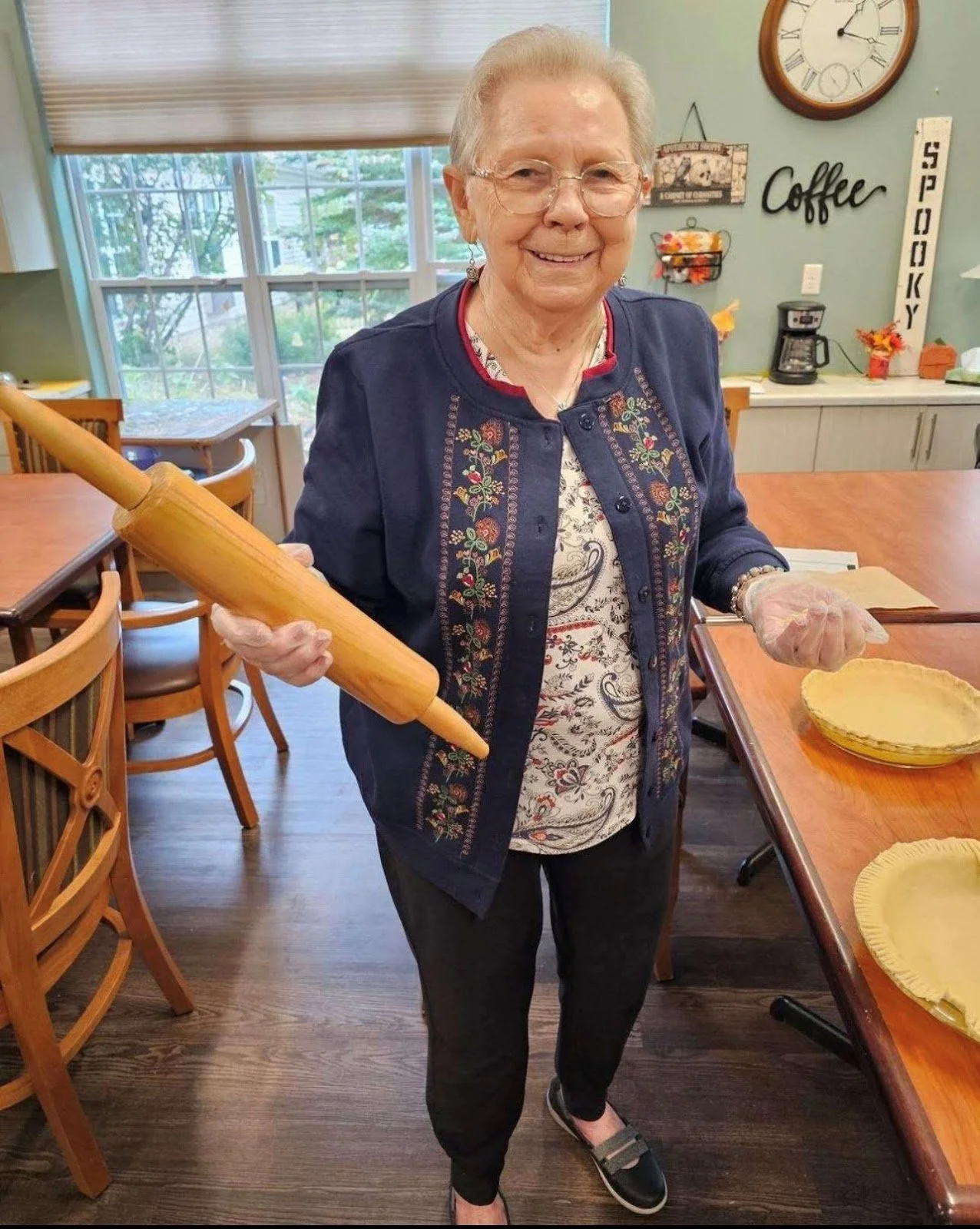
Retirement shouldn't mean retreating from life. The assisted living benefits around programming separate excellent communities from mediocre ones.
We're talking fitness classes designed for 80-year-old bodies. Educational lectures from people who know their subjects. Live music performances. Gardening clubs. Volunteer opportunities that let residents give back.
This programming combats both physical and cognitive decline. Regular movement maintains strength and balance. Mental stimulation keeps minds sharper longer. Creative outlets provide genuine joy. The goal is helping people keep growing instead of just passing the time until death.
#9 Relief for Exhausted Family Caregivers
Adult children providing parent care experience crushing stress. They're managing jobs, raising their own kids, and somehow also handling doctor appointments, medications, meals, housework, and emergency calls for aging parents. Marriages suffer. Health deteriorates. Everyone feels resentful, even though nobody wants to.
Assisted living doesn't mean abandoning anyone. It means ensuring proper care while preserving actual relationships. Visits become quality time. You can have conversations without mentally tallying everything that needs doing. You can be a daughter again instead of an exhausted caregiver.
Many seniors feel profound guilt about burdening their children. Moving to assisted living lifts that weight from everyone.
#10 Financial Predictability That Makes Sense
Yes, assisted living costs money. But run the actual numbers. When you calculate home maintenance, property taxes, utilities, lawn care, housekeeping, meal delivery, medical transportation, and in-home care services, independent living often costs nearly as much with far less support.
Assisted living bundles everything into one predictable monthly fee. No surprise furnace replacement. No emergency plumbing bills. No paying separately for every service.
Many communities help navigate Medicare, Medicaid, veterans' benefits, and long-term care insurance. The financial picture often looks more manageable than families initially expect.
#11 Peace of Mind for Everyone
Maybe the most valuable benefit can't be itemized on a price sheet. It's knowing your mother is safe at 2 AM. It's sleeping through the night without worrying about phone calls. It's watching your father laugh again at dinner because he's got friends to sit with.
For seniors making this choice themselves, it's a relief. No more anxiety about managing everything alone. No more being a burden. Just security and community and the freedom to enjoy life again.
The assisted living benefits ultimately improve the quality of life for entire families. Relationships heal. Health stabilizes. Days fill with purpose instead of worry.
Ready to see how these benefits come to life every day? Schedule a tour and experience Keystone Bluffs firsthand.
Frequently Asked Questions
When is the right time to consider assisted living?
Moments of confusion with pills might show up first. A fall that happens too often hints at deeper issues. Cleanliness slipping through the cracks can speak volumes. When neighbors stop seeing someone outside, it matters. Houses left untended carry quiet warnings. Caregivers who are worn thin are signaling something real. Waiting until things break down rarely helps. If the thought crosses your mind now, chances are good it’s already begun.
What's included in the monthly cost?
Many senior living places include in their monthly fees housing, meals, housekeeping, maintenance, activities, and a certain level of care. However, services that go beyond the basics, such as medical care, memory support, or therapy on a one-to-one basis; will all be billed separately.
Look at the cost breakdowns in detail and make sure you thoroughly understand what is included in the price before finalizing your decision.
Can residents leave whenever they want?
Fresh freedom lives here. People move in and out just as they please. Visitors stop by whenever it fits their day. Trips to doctors happen without hassle. Vacations still belong on the calendar. Life keeps its rhythm, only with backup nearby. Independence stays strong. Safety simply walks alongside.