
What Emotional and Practical steps should families take when moving to assisted living for the first time?
Picture this.
One day, the house feels too quiet. The stairs look steeper.
The “I’ve got this” voice inside starts to waver. Suddenly, moving to assisted living isn’t a general idea anymore. It’s the next real step.
And it hits hard. For families, that moment brings a tangle of feelings: love mixed with worry, relief tangled with sadness. You want safety for your loved one. You want them to smile again.
At the same time, you ache because the life they built is changing shape. If that sounds like right now, take a slow breath. You are not alone in this.
Thousands of families walk this exact path every year, and the ones who come through strongest do two things well: they honor the emotions first, then they tackle the practical pieces one gentle step at a time.
Here is exactly how to do both, so moving to assisted living feels less like a loss and more like a new beginning.
First, the Emotional Side: Let the Feelings Breathe
Moving to assisted living stirs grief.
Moving to assisted living brings big emotions. Not dramatic, overwhelming ones; just the quiet, everyday feelings that come with any major life change. The parent who once drove you to soccer practice now needs reminders for medications. The kitchen table that held every holiday will soon sit in a new space. It’s natural to feel that tug.
Acknowledge it together. Saying, “This is hard, and that’s okay,” creates room for honesty and connection.
Guilt may surface, too. Thoughts like “I should have done more” or “I’m letting them down” are common. But here’s what many families come to understand: choosing assisted living is an act of care. It’s ensuring your loved one has support, safety, and people around them; while allowing you to remain their daughter, son, or spouse instead of becoming their full‑time caregiver.
For your loved one, the transition can bring its own worries: losing independence, feeling lonely, wondering what comes next. Sitting with them, listening, and saying, “I hear you, and we’ll navigate this together,” offers comfort and confidence.
A practical way to ease the shift is to plan short, consistent visits in the early days. Even fifteen minutes can make the new environment feel familiar. That steady presence sends a powerful message: “You still matter most. This change doesn’t change us.”
Now the Practical Roadmap: Step by Step
Once the feelings have room to breathe, the to-do list stops feeling impossible. Break it into small, doable chunks. Here is the flow that works best for most families.
1. Choose the Community Together (or as Much as Possible)
Tour more than one place.
Bring your loved one if they are able.
Ask: Does this feel warm? Do people smile at each other? Is there music, laughter, a courtyard?
Communities like Keystone Bluffs in Duluth understand this moment deeply.
They focus on making the space feel like home right away with one-floor apartments, courtyards, daily activities, and staff who take time to know each resident and family personally.
That personal touch makes moving to assisted living less scary because someone already cares before the boxes arrive.
2. Downsize with Kindness and Time
Start early. One room at a time. One drawer today.
Ask three questions about every item: Do I use it? Does it bring joy?
Will it fit comfortably in the new space? Keep the treasures: favorite photos, the quilt from childhood, the coffee mug they reach for every morning. Let go of the rest gently.
Donate what helps others. Give special pieces to grandchildren. The process hurts less when it happens slowly and with love.
3. Plan the Actual Move Day
Hire movers who understand senior transitions if possible. They move slowly, respectfully, and they know how to handle fragile hearts along with fragile dishes.
Pack a “first-night” box: medications, pajamas, a toothbrush, a framed family photo, and the TV remote. Unpack that box together the minute you arrive.
Seeing familiar things in the new space calms the nervous system faster than anything else.
4. Make the New Space Feel Like Home Immediately
Start with the familiar. Hang photos that spark happy memories. Place their favorite chair where it feels welcoming. Add a small plant or a cozy blanket that brings comfort. These simple touches help the new space feel warm, personal, and truly theirs from the very first day.
5. Build the New Routine Gently
Encourage small steps: join one activity in the first week. Share a meal with a neighbor. Walk the courtyard together.
Most people need three to six months to settle in fully. That timeline is normal. Be patient with good days and hard days.
6. Stay Connected After the Move
Call. Text. Visit. Share pictures of the grandkids. Celebrate small wins: “You made a new friend today!”
Your steady presence reminds everyone that this is still family, just in a different shape.
The Quiet Wins You Will See
After the first rough weeks, something beautiful often happens. The worry lines on your loved one’s face soften. They laugh at a game night.
They tell you about the nice lady down the hall who loves the same old movies. You notice you are sleeping better because the midnight calls have stopped. You get to sit and talk without changing diapers or chasing wandering steps.
That is the gift of moving to assisted living. Safety plus freedom to love each other again.
One Last Gentle Reminder
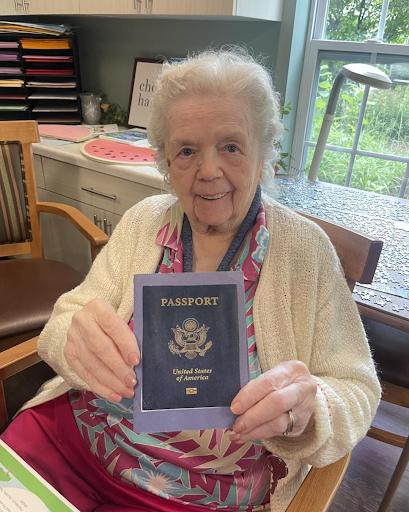
This is not the end of the story. It is the start of a safer, kinder chapter.
This isn’t the end of anything; it’s the beginning of a safer, more supported chapter. Choosing assisted living isn’t a failure; it’s a thoughtful decision rooted in care. It’s saying, “I want you to have what you need to stay well and continue living life fully.”
If the day feels emotional, lean on the community you’ve chosen. Places like Keystone Bluffs are built to support both residents and families, guiding you through the practical steps and the feelings that come with them.
It’s okay to feel a mix of emotions, and it’s just as okay to feel confident in the choice you’ve made. Take it one conversation, one box, one visit at a time. With each step, the move becomes less about difficulty and more about creating the right environment for your loved one to thrive. Your family deserves that sense of stability and reassurance, and this transition helps make it possible.
A Place That Makes This Transition Feel Right
Taking the emotional and practical steps discussed above becomes easier when families choose a community that truly understands this stage of life. A place where care feels personal, routines feel comforting, and support never feels rushed or impersonal. Keystone Bluffs is designed to offer that kind of balance.
Thoughtful care, a calm environment, and a team that values dignity and connection can help families feel confident about moving to assisted living for the first time. For those looking for a setting where safety, comfort, and everyday quality of life quietly come together, Keystone Bluffs may be the next step worth exploring.