
What Are the Health Benefits of Gardening for Seniors?
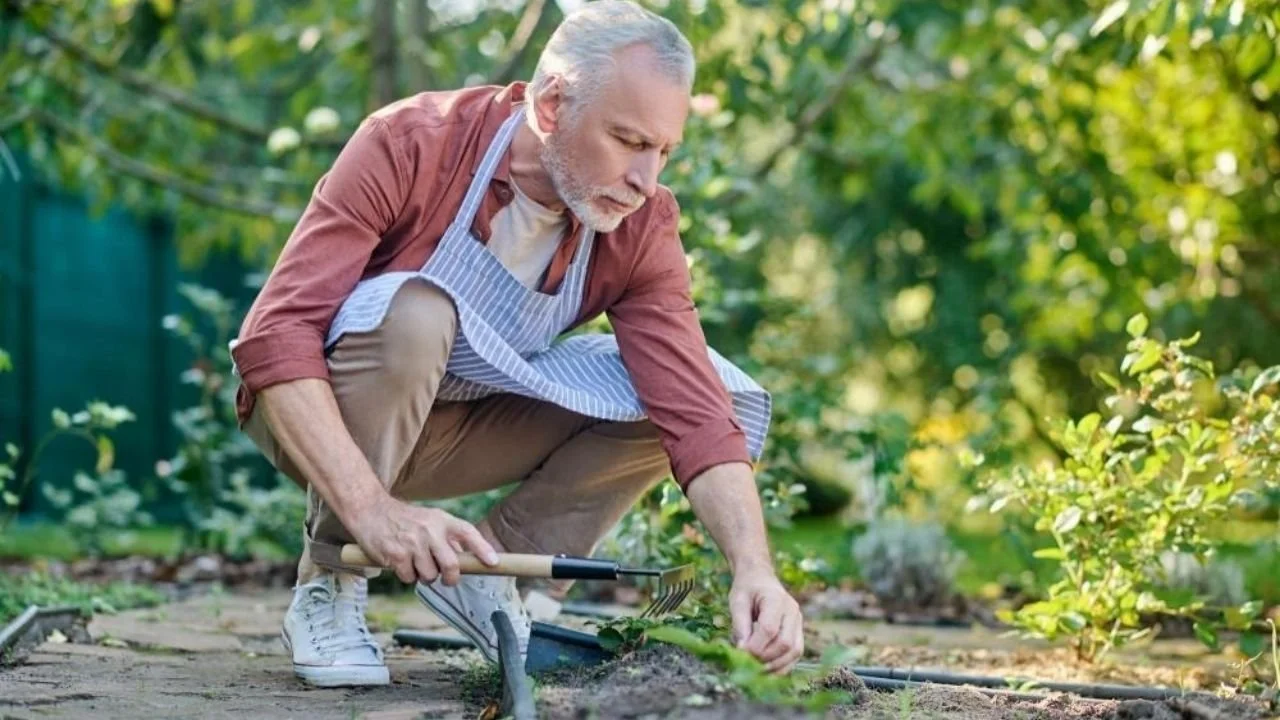
Gardening for seniors does far more than burn calories. It calms the mind. It sharpens memory. It pulls people out of isolation and gives each day a purpose. The exercise part gets all the credit. But the biggest wins land in the head and the heart.
Here is the short answer. Beyond the light workout, gardening lowers stress, feeds the brain, eases loneliness, and lifts mood. Sunlight and soil each pull their weight. Better sleep and better meals often follow. None of it needs a gym. Most of it needs a pot, some seeds, and a little time.
| Benefit area | What gardening does beyond exercise |
|---|---|
| Mood | Cuts stress, calms the nervous system |
| Brain | Sharpens memory, planning, and focus |
| Connection | Builds friendships, fights loneliness |
| Purpose | Gives each day a reason and a routine |
| Sleep & bones | Sun aids vitamin D and deeper rest |
| Diet | Grows fresh food people actually eat |
Then the real story goes deeper than any single hour outside. Here is what the research actually shows.
Gardening Calms The Mind And Melts Stress.
Stress drops when hands hit the soil. Blood pressure often follows. One study of 331 older adults found that gardening eased stress and helped people ride out hard feelings. It also stirred old memories. Folks talked about past gardens, past homes, faces they missed. That kind of recall lifts mood in a way a card game rarely does.
Sounds too simple? Science keeps backing it up. Time outside with growing things quiets the nervous system. Worry shrinks for a while. And that break carries real weight for an aging body under strain.
A Sharper Brain, Not Just A Stronger Body
Most people picture gardening as a body thing. It is a brain thing, too. Planning a bed, tracking water days, naming each plant. Every task fires memory and problem-solving skills. A 2024 review pooled nine trials covering 655 seniors with dementia. Garden therapy raised their thinking scores against standard care.
It also eased depression and lifted daily functioning. Outdoor sessions beat indoor ones. Programs that run at least twice a week work best. Shorter runs under six months often did more than long ones. For a mind that is slowing, those are gains worth chasing.
Comfort And Calm For Memory Loss
The dementia findings go beyond test scores. Time in a garden can calm agitation. It cuts restlessness and lowers the need for some heavy medications. Fall risk drops in gardens built with care.
Researchers observe people with dementia while they work in the garden. They see more smiles, more talk, more small moments of ease. Far more than during most other activities. Why does that matter? Comfort and calm are hard to give someone with memory loss. A patch of soil can do it.
It Breaks The Grip Of Loneliness.
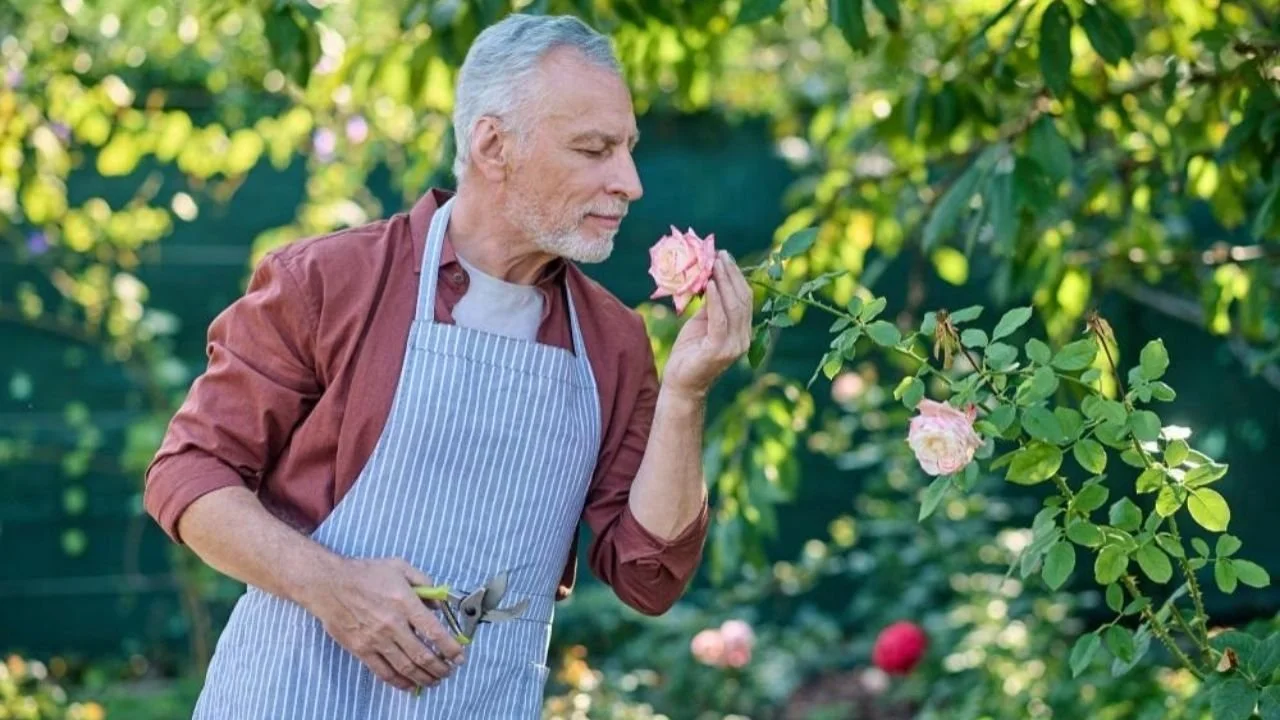
Gardening is not a solo act for most seniors. Shared beds pull people close. Neighbors swap tomato tips. Someone hands over spare seedlings, and a chat starts. These small talks count more than they look.
Loneliness hits older adults hard. It raises the odds of heart trouble, depression, and faster decline. A garden gives a low-key reason to show up and connect. No pressure. No forced small talk. Just shared dirt and shared wins.
A Daily Sense Of Purpose
Then there is purpose, which fades for many people after retirement. Caring for a plant brings it back. Something depends on you now. It needs water. It needs light. It waits for you each morning, rain or shine.
That daily pull gives shape to hours that can otherwise blur together. Seniors who tend a garden often report a stronger sense of meaning. They feel useful again. And that feeling guards against the low moods that creep in with age.
Sunlight, Better Sleep, And Stronger Bones
The sun does quiet work in the garden. Twenty minutes outside helps the body make vitamin D. That backs bone strength, which matters most when falls are common. Steadier moods come with it. Morning light also resets the body clock.
A reset clock means deeper sleep once night falls. Seniors who garden by day often rest better in the dark. Poor sleep feeds so many other problems. Fixing it quietly is a big deal.
Fresh Food You Actually Eat
Growing food changes how people eat, too. A senior who grows kale tends to eat it. Fresh tomatoes taste nothing like the store kind, and pride does the rest. Home gardens push more vegetables onto the plate without a single lecture. Research even ties gardening to lower odds of heart disease and diabetes.
And for seniors already living with diabetes, that fresh-food habit pairs well with the kind ofsteady daily care a good community provides. Part of that is the movement. A bigger part is the fresh, homegrown food that comes into the kitchen.
The Hidden Mood Boost In The Soil
Soil is not just something to wash off. It may lift the mood on its own. A soil microbe called Mycobacterium vaccae seems to spark serotonin, the calm chemical. Serotonin is the same target most antidepressants aim for.
Most of that research still sits in animal studies for now. So treat it as promising, not settled. Still, the early signs all point one way. Getting your hands dirty might do more than you would guess. There is no harm in testing it.
How Seniors Can Garden At Any Ability
Sore knees stop a lot of would-be gardeners. They should not. A few smart swaps make gardening work at almost any age and ability.
Raised beds at waist height to skip the kneeling
Container pots on tables, decks, and railings
Long-handled, lightweight tools that cut strain
Vertical planters for small spaces and stiff backs
Self-watering setups to skip the heavy cans
Seated gardening opens the door even wider. A chair by a raised bed helps people who cannot stand for long. The trick is simple. Match the setup to the body, never the other way around. Start with one pot. Add more once it feels good in the hands.
Good assisted living communities lean into all of this. Shared courtyards, raised beds, and garden clubs turn a quiet hobby into daily life. Where the grounds are built for it, residents plant side by side. They eat what they grow together, too. Staff handles the heavy lifting so the joy stays put. The rightassisted living services fold gardens, courtyards, and daily activities into normal life. That blend of gentle movement, fresh air, sun, and company is hard to beat.
That blend of gentle movement, fresh air, sun, and company is hard to beat. For an older adult, a garden is not a chore at all. It is a reason to head outside and feel alive.
The takeaway is plain. Gardening pays a senior back in ways a treadmill never could. Fewer worries. A sharper mind. Real friends. Better sleep and better food. Start with one small pot and see where it leads.
Frequently Asked Questions
Is gardening safe for seniors with limited mobility?
Yes. Raised beds, container pots, and long-handled tools remove most of the bending and kneeling. Seated gardening works well for anyone who cannot stand for long. Start small and build from there.
How much gardening does a senior need to feel the benefits?
Not much at all. Even 20 minutes a day can lift mood and energy. Short, steady sessions beat rare long ones by a mile. Consistency does the real work.
Can gardening help seniors with dementia or memory loss?
Yes, and the evidence is strong. Studies show garden therapy can calm agitation, ease depression, and raise thinking scores. Outdoor sessions run twice a week. It offers comfort and a familiar routine.
What are the easiest plants for older beginners to grow?
Herbs like basil and mint are simple and forgiving. Tomatoes, lettuce, and marigolds also thrive with little fuss. Pick fast growers for quick, cheerful wins.