
11 Cognitive Activities for Seniors That Go Beyond Crossword Puzzles
Cognitive activities for seniors that go beyond crossword puzzles include learning a new language, playing an instrument, dance classes, gardening, cooking, art, strategy games, volunteering, tech classes, book clubs, and storytelling circles. Each one challenges the brain differently, and that variety is what actually keeps the mind sharp over time, more so than repeating the same puzzle format day after day.
Crossword puzzles get a lot of credit for brain health, and honestly, they're not a bad habit. But here's the thing: doing the same puzzle format every single day mostly trains someone to get better at that specific puzzle. Real cognitive resilience, the kind researchers talk about when they study aging brains, comes from novelty. New skills. New social settings. New physical movements paired with mental ones. A brain that keeps encountering unfamiliar challenges tends to build more of what scientists call cognitive reserve, essentially a backup capacity that helps it adapt as it ages.
For families exploring options for an aging parent, or for seniors looking to build a richer daily routine, mixing up cognitive activities matters more than sticking to one familiar game. Below are 11 activities that go beyond the newspaper puzzle page, along with why each one earns its place on the list.
1. Learning a New Language
Picking up a new language, even at a beginner level, forces the brain to juggle vocabulary, grammar, and memory recall all at once. Studies on bilingual aging adults have repeatedly linked language learning to stronger executive function, the mental skillset behind planning, focus, and switching between tasks. Apps like Duolingo make this accessible, but a weekly conversation group tends to stick better than solo app time, since it adds real time listening and response into the mix.
2. Playing a Musical Instrument
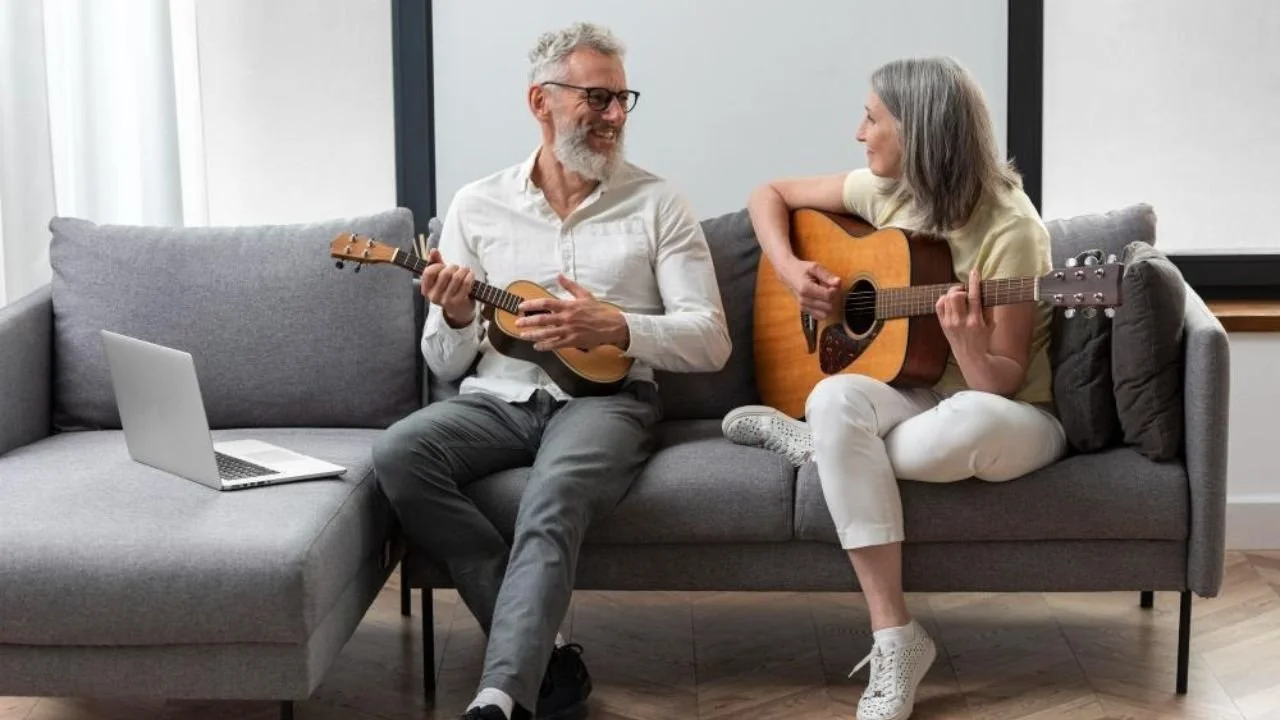
Music activates more regions of the brain at once than almost any other activity: memory, motor coordination, and emotional processing all fire together. Seniors who never played an instrument before can still benefit from starting now, whether it's a keyboard, ukulele, or hand drum. Group music sessions add a social layer that solo practice doesn't, and singing along tends to bring back lyrics from decades ago even when short term recall has become harder.
3. Dance and Movement Classes
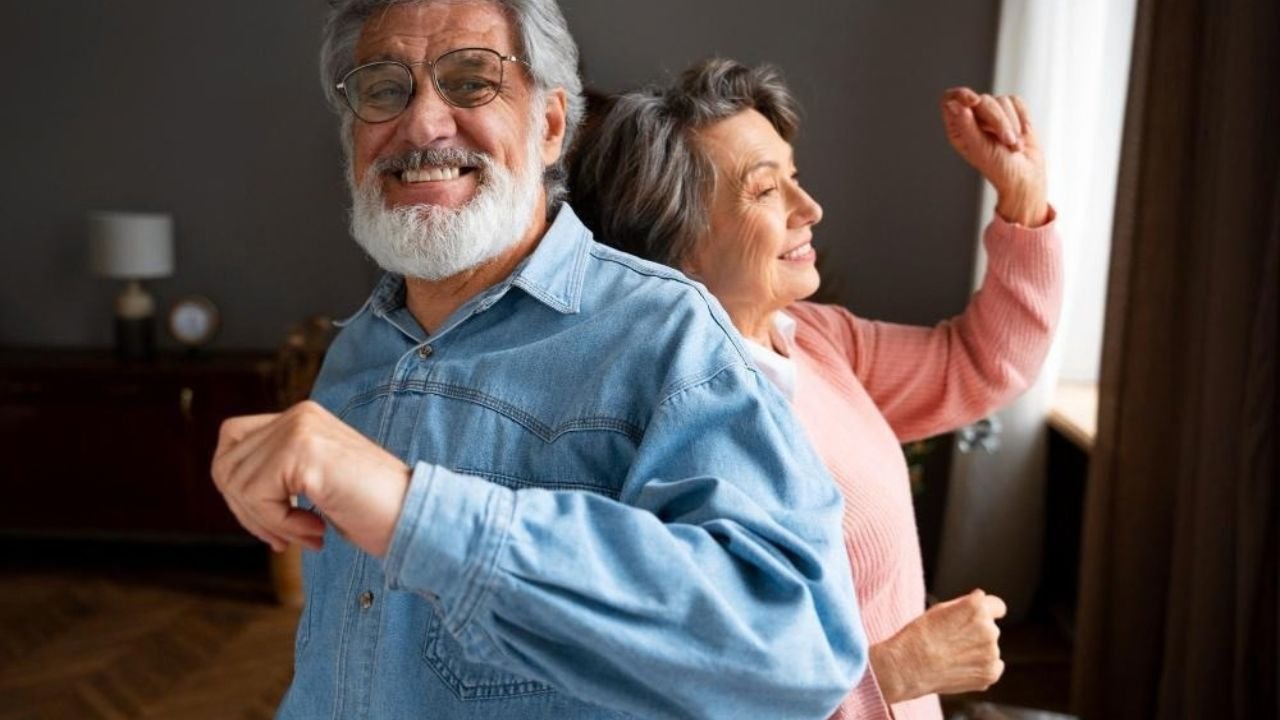
Dance combines physical exercise with sequencing and memory, since dancers have to recall steps and adjust to a partner or a beat in real time. Ballroom, line dancing, and even chair based movement classes for those with mobility limits all count. This kind of dual task activity, moving the body while thinking through a pattern, is exactly the combination researchers point to when discussing brain resilience, and it doubles as a genuine cardiovascular workout.
4. Reminiscence and Storytelling Circles
Structured storytelling sessions, where residents share memories from a specific decade or life event, do more than pass the time. They exercise long-term memory retrieval and give seniors a chance to organize and narrate their own experiences out loud. These circles are especially valuable for people in early memory care, where recalling and sharing familiar stories can feel more comfortable than trying to hold onto newer information.
5. Gardening
Gardening blends planning, problem solving, and sensory engagement: tracking what needs watering, noticing which plants are thriving, and adjusting for the season. It's also one of the few cognitive activities that happens outdoors, which adds sunlight and mild physical activity to the mix. Raised garden beds make this doable even for seniors with limited mobility, and there's a real sense of accomplishment in watching something grow.
6. Cooking and Recipe Exploration
Trying a new recipe, rather than repeating the same familiar dishes, asks the brain to follow multi-step sequences and adjust on the fly: a pinch too much salt here, a substitution there. Cooking classes in group settings add measurement math, timing, and conversation into one activity, and the shared meal at the end gives the whole exercise a built in reward.
7. Art and Creative Expression
Painting, drawing, and other visual art projects tap into spatial reasoning and fine motor skills, areas that don't get much exercise from word puzzles. Art also gives people without strong verbal memory a different way to express themselves, which matters for seniors navigating early stage cognitive changes where words don't always come easily.
8. Strategy Games and Card Clubs
Bridge, mahjong, chess, and even a well-run game of Rummikub ask players to plan several moves ahead and read other players' choices. Unlike solo puzzles, these games add a social and competitive layer that keeps engagement high. Regular card clubs are also one of the easier activities to build into a weekly community calendar, since they need little more than a table and a deck.
9. Volunteering and Mentoring
Helping others, whether it's mentoring a younger person, organizing a community drive, or simply being useful to someone else, adds a sense of purpose that pure brain games can't replicate. Purpose-driven activity has been tied to better cognitive outcomes in aging research, likely because it combines planning, social interaction, and motivation all at once, three things a solo puzzle rarely offers together.
10. Technology and Digital Skills
Learning to video call grandchildren, use a tablet, or navigate a new app isn't just a practical skill; it's a genuine cognitive novelty for a generation that didn't grow up with touchscreens. The learning curve itself is the point. Struggling through something unfamiliar and gradually mastering it is exactly the kind of challenge that builds cognitive reserve, and staying connected with family adds an emotional payoff on top of it.
Keystone Bluffs details this kind of hands-on tech support, including scheduled tutoring days for residents, in its guide to assisted living services beyond housing and meals.
11. Book Clubs and Group Discussions
Reading alone works one set of skills, but discussing a book with a group adds memory recall, verbal expression, and the mental flexibility of considering someone else's interpretation. Book clubs also build in a reliable social rhythm, which matters just as much as the reading itself, since the anticipation of a weekly meeting keeps people looking forward to something.
Not every activity fits every stage of cognitive health, and that's worth saying plainly. A senior in the early stages of memory changes might thrive with reminiscence circles and music, while someone with sharper recall might get more out of language learning or strategy games. Adjusting the activity to the person, rather than expecting the person to keep pace with the activity, tends to matter more than the specific choice itself.
Families sorting through how much day to day support a loved one currently needs can get a fuller picture from Keystone Bluffs' breakdown of assisted living facility services and how they support families.
Quick Reference: What Each Activity Builds
| Activity | Primary Cognitive Benefit | Added Bonus |
|---|---|---|
| Learning a language | Executive function, memory | Social conversation practice |
| Playing an instrument | Memory, motor coordination | Emotional engagement |
| Dance classes | Sequencing, dual-task thinking | Physical fitness |
| Storytelling circles | Long-term memory recall | Emotional comfort |
| Gardening | Planning, sensory processing | Time outdoors |
| Cooking new recipes | Sequential reasoning | Practical skill |
| Art projects | Spatial reasoning, fine motor skills | Non-verbal expression |
| Strategy games | Planning, forecasting | Social competition |
| Volunteering | Purpose, motivation | Community connection |
| Technology skills | Problem-solving, adaptability | Family connection |
| Book clubs | Verbal recall, flexibility | Regular social contact |
Getting Started Without Overwhelm
Pick one new activity a month instead of overhauling the whole week at once
Pair a mental activity with a social one when possible; a card game beats a solo puzzle
Watch for genuine enjoyment over "brain training" claims; an activity someone actually looks forward to gets repeated more often
Adjust for mobility, hearing, or vision changes rather than skipping an activity altogether
Communities built around daily structure make this easier to sustain. At Keystone Bluffs Assisted Living in Duluth, residents move through activity rooms and a daily calendar that rotates through games, music, art, and social time, so cognitive activities for seniors happen naturally as part of everyday life instead of needing to be scheduled from scratch by family members.
FAQs
What are the best cognitive activities for seniors?
The best cognitive activities for seniors combine mental challenge with social interaction. Group music sessions, dance classes, strategy card games, and storytelling circles tend to outperform solo puzzles for long term brain benefit because they layer in movement, connection, and novelty at the same time.
Are crossword puzzles actually good for the brain?
Crossword puzzles are a fine habit and can help with vocabulary and focus, but relying on them alone mostly trains a narrow skill. Mixing in new, unfamiliar activities builds broader cognitive resilience than any single puzzle format ever could on its own.
How often should seniors do cognitive activities?
Most research points to consistency over intensity. A short daily mix, even fifteen to thirty minutes combining a mental and social activity, tends to build stronger habits than occasional long sessions saved for the weekend.
Can cognitive activities help with memory loss or dementia?
Structured, enjoyable activities can support engagement and quality of life for people experiencing memory changes, though they aren't a treatment or cure. Families noticing memory concerns should talk with a physician about a proper evaluation before assuming activity alone is the answer.