
Can Couples Live Together in Assisted Living? What Families in Duluth Need to Know
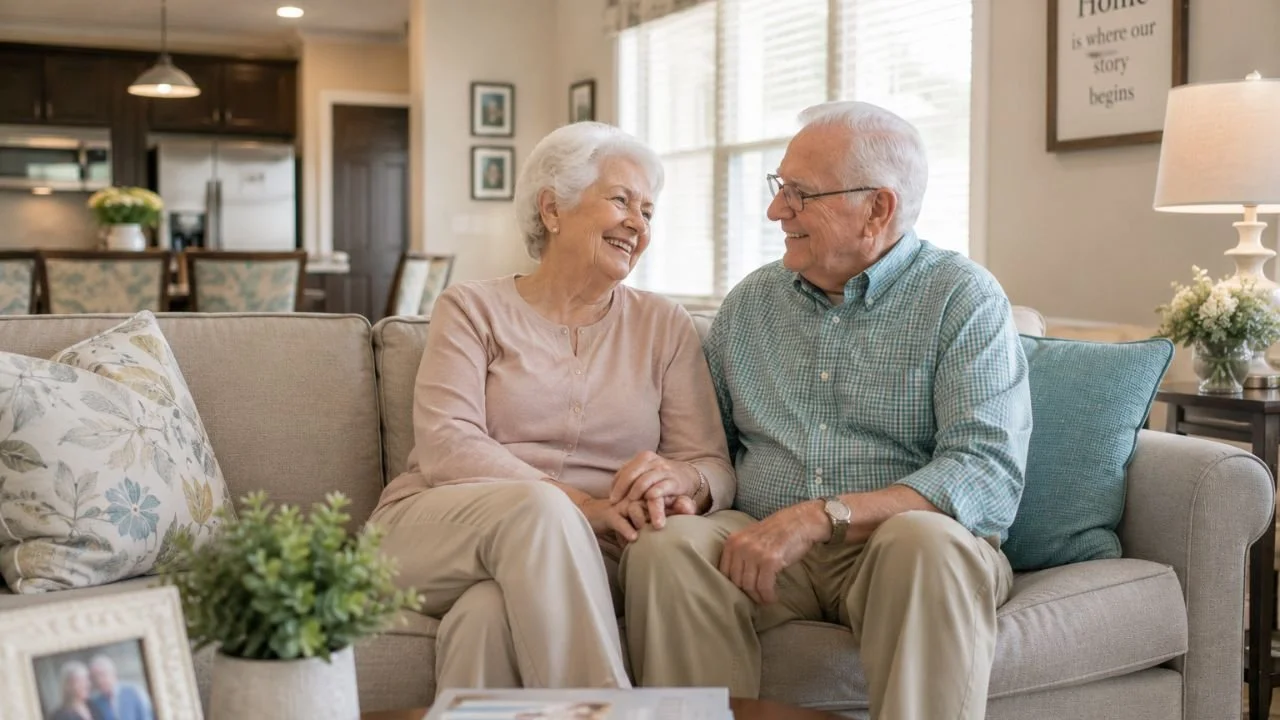
The short answer is yes. Couples can absolutely live together in assisted living. Most communities today offer shared apartments designed for two people, with private bedrooms, bathrooms, and living spaces that feel like home. It's not the institutional setup people picture.
But here's the thing. Not every community handles couples the same way. Some have spacious floor plans built for two. Others squeeze partners into tight quarters that barely fit one person. The details matter, especially when one partner needs more help than the other.
For families in Duluth exploring assisted living for couples, this guide breaks down how it works, what it costs, and what questions to ask before signing anything.
How Assisted Living for Couples Actually Works
Couples typically share a one-bedroom or two-bedroom apartment within the community. Think of it less like a hospital room and more like a small condo. Most units come with a private bathroom, a living area, climate control, and cable. Some even include kitchenettes or patio access.
Each partner gets their own individualized care plan. That's a critical detail families overlook. Just because two people share a space doesn't mean they share the same health needs. One partner might need help with medication management while the other just wants meals prepared and laundry handled.
Staff assesses each person separately during move-in. Then they build a service plan around what that individual needs. The plans get reviewed every few months (or sooner if something changes). So the care stays current, not frozen in time from day one.
Keystone Bluffs follows aseven-level care model that adjusts as needs evolve, so couples don't have to worry about switching communities down the line.
It's worth noting that roughly 25% of assisted living residents nationwide have a spouse or partner living in the same community. That number has been steadily climbing. Communities are catching on to the fact that couples want to stay together.
What Happens When Care Needs Don't Match?
This is where it gets tricky for a lot of families. Maybe one spouse has early-stage dementia. The other is physically healthy but just can't manage a house anymore. Can they still live together?
In many cases, yes. But it depends on the community.
Some facilities offer what's called a "mixed services" setup. The couple lives in the same apartment, but each person receives a different level of care. The partner with higher needs might get more hands-on support from staff, while the healthier partner maintains more independence.
However, if one spouse eventually requires specialized memory care or skilled nursing, the couple may need to move into separate units. That sounds rough, but many communities keep those units close together. Same building, different wing. Proximity matters here, both for safety and emotional well-being.
Here's a practical tip: look for communities that offer multiple levels of care under one roof. That way, if needs change down the road, neither partner has to leave the building entirely.
What Does Assisted Living for Couples Cost?
Cost is usually the first question families ask. Fair enough.
Couples don't typically pay double. They share the apartment, so the base rent stays the same. But there's usually a second-person fee to cover the additional partner's meals, personal care, and services.
Cost Factor: Median monthly assisted living cost (national)
Approximate Range (2026): $6,259/month
Cost Factor: Minnesota state average
Approximate Range (2026): $4,300 to $6,250/month
Cost Factor: Second person fee (national median)
Approximate Range (2026): ~ $1,200/month
Cost Factor: In-home care alternative (homemaker services)
Approximate Range (2026): ~ $6,675/month
Cost Factor: In-home care alternative (health aide)
Approximate Range (2026): ~ $6,878/month
So for a couple, the math might look something like $5,000 to $7,500 per month total, depending on the community and care level. Compare that to maintaining a home plus hiring in-home aides for both partners. The numbers often work out cheaper with assisted living. Which surprises a lot of families, honestly.
Most communities only charge for services each person actually uses. If only one partner needs medication management, the other won't get billed for it.
Benefits of Choosing Assisted Living as a Couple
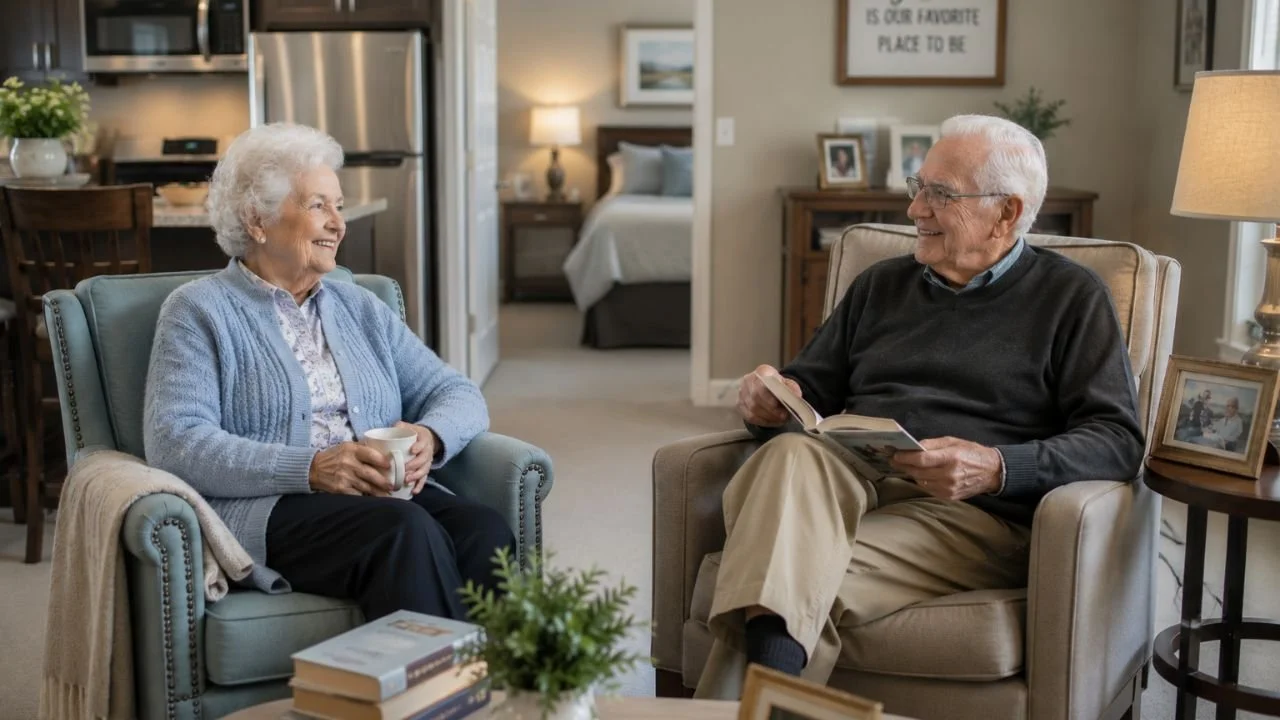
Why do families in Duluth even consider this route? A few reasons stand out:
Caregiver burnout drops significantly: When one spouse has been caring for the other at home, exhaustion is real. Moving to assisted living lifts that weight off both partners.
Social isolation disappears: Couples living alone in a house often see nobody for days. Communities have group dining, activities, outings, and fitness classes. People show up at the door.
Safety improves overnight: Fall risks, medication errors, and emergency response times. All of it gets better with a 24-hour staff on site.
The relationship actually gets better: This sounds counterintuitive, but when caregiving stress is removed, couples go back to being partners instead of patient and nurse.
Maintenance headaches vanish: No more worrying about snow removal, home repairs, or grocery runs. Especially relevant in Duluth winters (anyone who's lived through a February here knows exactly what that means).
Questions to Ask When Touring a Community
Not all assisted living facilities handle couples with the same level of flexibility. Before committing, ask these questions during every tour:
Do you have apartments designed for two people? What floor plans are available?
How do you handle pricing for couples? Is there a second-person fee, or is it a flat rate?
What if one partner's care needs increase significantly? Can they stay in the same unit?
Do you offer memory care or skilled nursing on-site if needed later?
Can each partner have a separate, individualized care plan?
What's included in the base monthly cost, and what counts as an add-on?
Get the answers in writing. Not just verbal promises during a friendly tour.
Can't visit in person right away? Many communities offer virtual walkthroughs. Keystone Bluffs has avirtual tour that lets families explore the entire single-level layout from home.
Financial Planning Tips for Couples
Paying for assisted living as a couple requires some planning. A few things Duluth families should keep in mind:
Medicaid spousal impoverishment protections exist. If one spouse needs Medicaid to help cover care costs, federal rules protect the other spouse from losing everything. In 2026, the community spouse (the one not on Medicaid) can retain up to $162,660 in countable assets and receive a Monthly Maintenance Needs Allowance of up to $4,066.50.
Minnesota also offers the Housing Support program for low-income adults at risk of institutionalization. The base rate sits at $1,192 per month as of 2026, with an optional supplemental care rate of up to $494.91.
Long-term care insurance, VA benefits (for veterans and surviving spouses), and private savings all play a role, too. Talk to an elder law attorney or financial planner who specializes in senior care. It's worth the consultation fee.
Why Duluth Families Are Exploring This Option
Duluth's aging population is growing. Minnesota as a whole is projected to have over one million residents aged 65 and older within the next decade. Families are realizing that keeping aging parents in a large home isn't always the safest or most cost-effective choice.
Communities like Keystone Bluffs offer 80 single-level apartments with private bedrooms, bathrooms, and living rooms. Everything sits on one floor, which eliminates elevator anxiety and stairway risks. The 24/7 staffing, meal service, medication management, and social programming create a lifestyle where couples can focus on each other instead of survival logistics.
For couples weighing their options, the right assisted living community doesn't feel like giving something up. It feels like getting something back.
Frequently Asked Questions
Can unmarried couples live together in assisted living?
Yes. Most assisted living communities welcome unmarried partners, domestic partners, and companions. Policies vary by facility, so it's best to ask directly during a tour. The key factor is whether both partners meet the community's admission criteria, not their marital status.
Does Medicare cover assisted living for couples?
No. Medicare does not cover room and board in assisted living. It may cover certain short-term skilled nursing or therapy services, but not the ongoing cost of assisted living itself. Medicaid, long-term care insurance, VA benefits, and private pay are the primary funding sources.
What if one spouse passes away while living in assisted living?
The surviving spouse can typically remain in the same apartment. Some communities may offer to move the remaining partner to a smaller (and less expensive) unit if preferred. There's usually no requirement to leave.
How do couples adjust to assisted living after decades of living independently?
The adjustment period usually lasts a few weeks. Having a partner helps significantly because there's built-in emotional support during the transition. Communities with strong activity programming, welcoming staff, and comfortable apartments make the shift easier. Most couples report feeling settled within the first month.